University of Leicester

University of Leicester
 Founded:1921
 Country:UK
University of Leicester
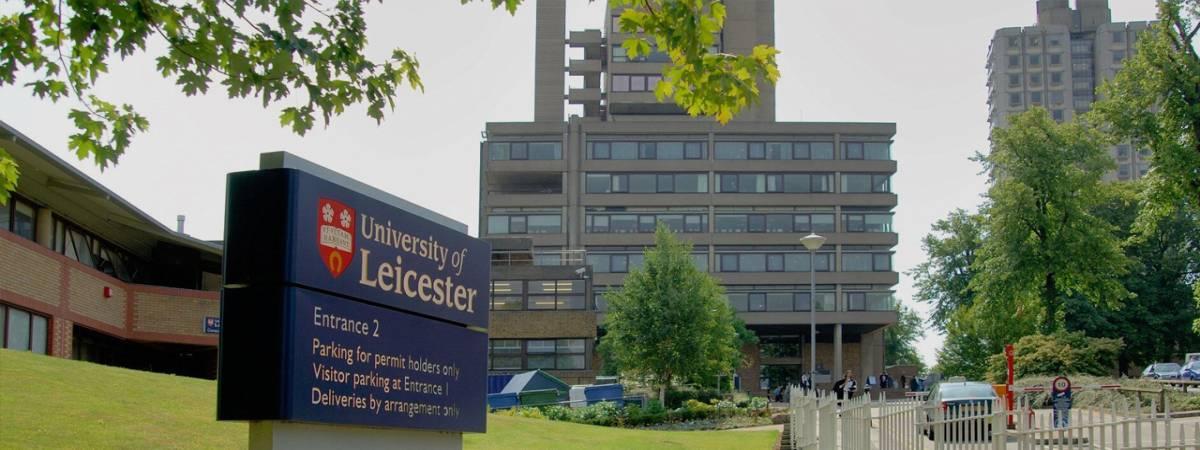
Founded:1921Country:UKIt is one of the best universities in the UK and is the choice of many international students, and Indians, no doubt, have a great number there. The history of the university goes thus: The university was founded as Rutland University College in 1921. The university's site was donated by local businessman Thomas Fielding Johnson to create a living memorial for all Local people who died in the Second World War.
This is reflected in the University's motto, Ut vitam habeant, so that they may have life'.
Students were first admitted to the school in 1921 after taking an external degree exam issued by the University of London. In 2021/22, they celebrated 100 years since the first students came out. Students, alumni, current and former staff, and the local community have come together to mark this moment, reflect on the past, and look to the future. In 1927, the school became University College Leicester. Thus, The University of Leicester is a public research university based in Leicester, England. The main campus is located south of the city centre, next to Victoria Park. The university's predecessor, the University of Leicester, was granted university status in 1957.
So the world has known it as a university since 1957, when it was granted a royal charter and was given the right to award degrees. The university is famous for the invention of DNA fingerprinting and has partially funded the discovery and identification of the DNA of the remains of King Richard III in Leicester. The University of Leicester offers more than 200 undergraduate and postgraduate courses to all international students. Some of the most popular courses in college are law, mechanics, marketing, medicine, and psychology.
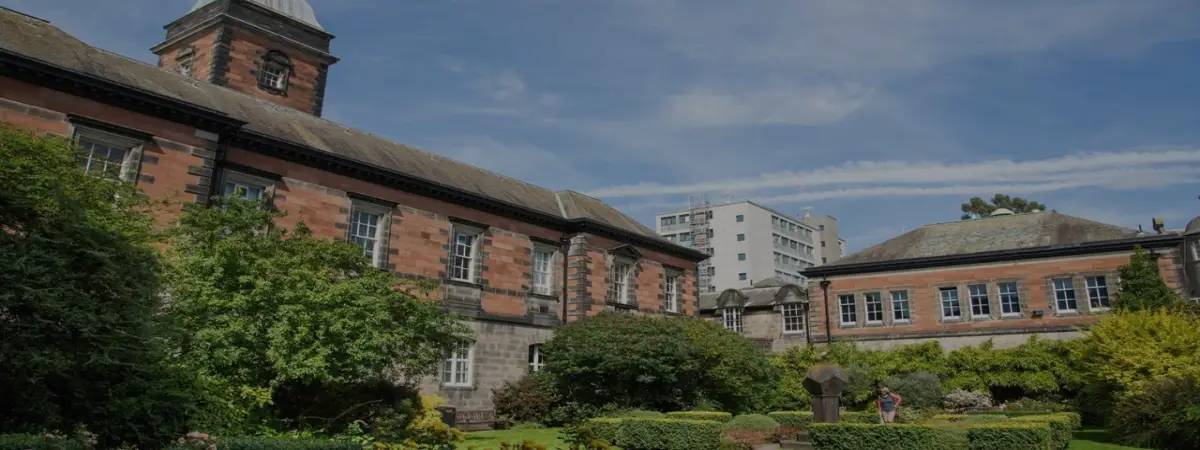
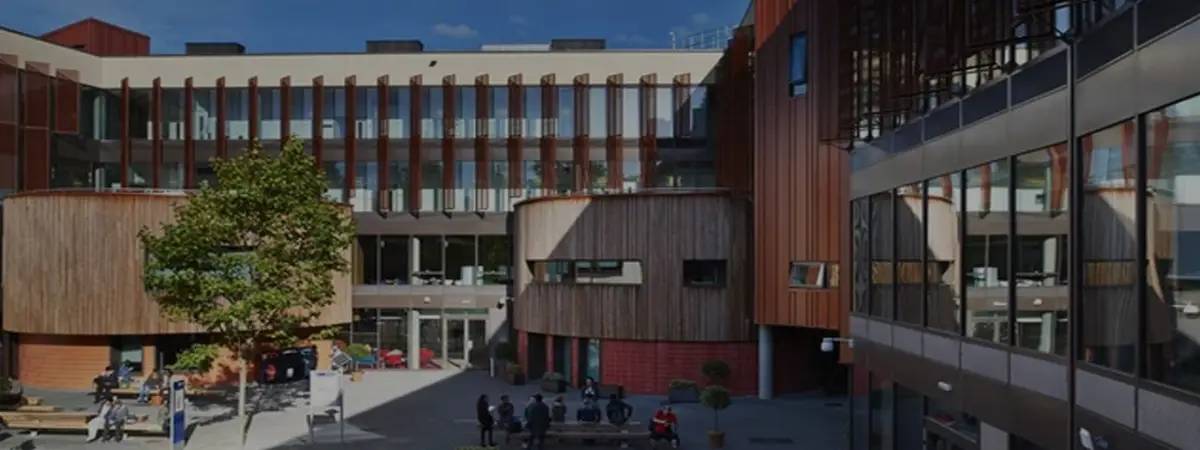
In recent years, the university has disposed of a number of lower-quality facilities to invest in new ones and is currently undertaking a redevelopment worth more than £300 million. The new John Foster residence opened in October 2006. The David Wilson Library, twice the size of the old University Library, opened on April 1, 2008, and a new biomedical research building (the Henry Wellcome Building) was built. A comprehensive renovation of the Percy Gee Student Union building was completed in September 2010, and another project is underway and is expected to be completed in spring 2024.
| Name of Course | Duration | Average Fee |
|---|---|---|
| Bachelor of Arts in Ancient History - Greek History | 36 Months | 18,215 |
| Bachelor of Science in Chemistry - Analytical Chemistry | 48 Months | 18,715 |
| Bachelor of Arts in Ancient History and Archaeology - Material Culture | 36 Months | 18,215 |
| Bachelor of Arts in English - Literature (Medieval-Modern) | 36 Months | 18,215 |
| Bachelor of Arts in History and Archaeology - Historical Archaeology | 36 Months | 18,215 |
| Bachelor of Legislative Law in Law (JD Pathway) - US-style Juris Doctor program | 24 Months | 17,715 |
| Bachelor of Science in Chemistry with Foundation Year - Analytical Chemistry | 48 Months | 18,715 |
| Bachelor of Legislative Law in Law with Politics - Public Law | 24 Months | 17,715 |
| Bachelor of Legislative Law in Law (Graduate Entry) - Accelerated law degree for graduates | 24 Months | 17,715 |
| Bachelor of Legislative Law in Law with Criminology - Criminology | 24 Months | 17,715 |
University of Leicester offers a wide range of undergraduate, postgraduate, postgraduate research, distance learning, and foundation courses to international students. Indian applicants with a bachelor's degree from an Indian university, first class, and a GPA of at least 60/75 enrolled in PG courses.