MBBS IN NEPAL
Start your journey toward a successful medical career with an MBBS in Nepal, supported every step of the way by our expert overseas guidance team.
Start your journey toward a successful medical career with an MBBS in Nepal, supported every step of the way by our expert overseas guidance team.
MBBS in Nepal offers a blend of bespoke learning and extensive research opportunities. Access to high-quality education, extensive clinical training, an easy admission process, and visa-free travel for Indian students, all while staying close to home. Medical universities in Nepal follow the NMC guidelines, maintaining a global standard of medical education and curriculum. The MBBS course duration at Nepalese universities is 5.5 years long (including one year of clinical rotation).
According to the Medical Education Commission (MEC) of Nepal, about 4,000 Indian students are pursuing higher studies in Nepal, of whom 50% (2,000) are studying medicine. The cordial relationship between Nepal and India provides additional benefits to Indian students choosing MBBS abroad in neighbouring countries. Students who want to study medicine in Nepal must meet the NMC eligibility criteria, pass the Medical Education Common Entrance Examination (MECEE), or have a valid NEET score.

Puneet Yadav
Kochi, Kerala
I wanted to get my MBBS from a reputable college in Nepal, & Education Vibes gave me a lot of options. Aarti Yadav Senior consultant has shown me the greatest universities in the region and assisted me in selecting the best of them all. Thanks to Education Vibes.
Shikha Tiwari
Hyderabad, Telangana
Education Vibes is the greatest alternative for affordable academic counseling. They have a long list of institutes in Nepal where you may complete your MBBS. My path to a successful profession was made possible by Aari Yadav Senior Counsellor at Education Vibes.




A medical journey in Nepal offers globally recognised & NMC-approved universities, top-tier faculty, and a rich clinical environment await you. There are numerous benefits and opportunities to be gained by opting for studying MBBS in Nepal, such as better ROI, global exposure & linkage, perfect class size, better student-faculty ratio, and many more. Here are the key concessions mentioned for Indian students who are seeking an overseas education in Nepal.

Free Eligibility Check
Ensure a seamless application process by reviewing the academic, language, and documentation requirements for MBBS in Nepal. As per the NMC guidelines, students who want to practice medicine in India after completing MBBS overseas must qualify the NEET examination and meet the following eligibility criteria mentioned below.

In Nepal, students have access to a seamless and hassle-free admission process majorly for home and Indian students. For the 2025/2026 academic session (MECEE-BL 2026), MEC of Nepal has finalised a total of 2,635 seats for the MBBS program, with a portion of the 25% to 40% reserved for international/Indian students. Here are the step-by-step details for admission cited.

Your admission process commences with an expert counselling session. During the session, our certified counsellors will provide you with a brief introduction to MBBS in Nepal after concluding your professional objectives."

The next step is your profile evaluation and university shortlisting. Our expert will evaluate your profile as per your academic background, NEET score, budget, and personal preferences and assist you with a flawless university. "

All your paperwork related to the application process will be handled by our dedicated team. We will submit your application to the shortlisted university with supporting documents, ensuring a smooth enrolment process. "

After a successful and complete review of your application from the university, you will receive an admission letter via email. You need to accept the letter to secure your MBBS seat at the shortlisted university. "

After getting your acceptance for the admission letter, the university will process your official visa invitation letter. At the same time, we will apostille all required documents through the Ministry of External Affairs (MEA), India."

At the visa application step, our dedicated visa officer will provide you with end-to-end support and in compliance with the Ministry of Education (MoE), Nepal."

After all the successful transitions, you will receive a sticker visa from the Nepal Consulate (or Embassy) in India. Our team will furnish you with the necessary checklist, including forex and flight tickets."

You are only one step ahead in your MBBS abroad journey. Keep your flight tickets and fly to Nepal; our local representative will further assist you after picking you up from the airport. They will assist you through the necessary arrangements. "
At the time of the admission process, Students are required to provide a set of documents, which are required for verification and validation of the applicant. Additionally, it ensures that the documents are complete and avoids delays. Here are all the vital documents mentioned below.

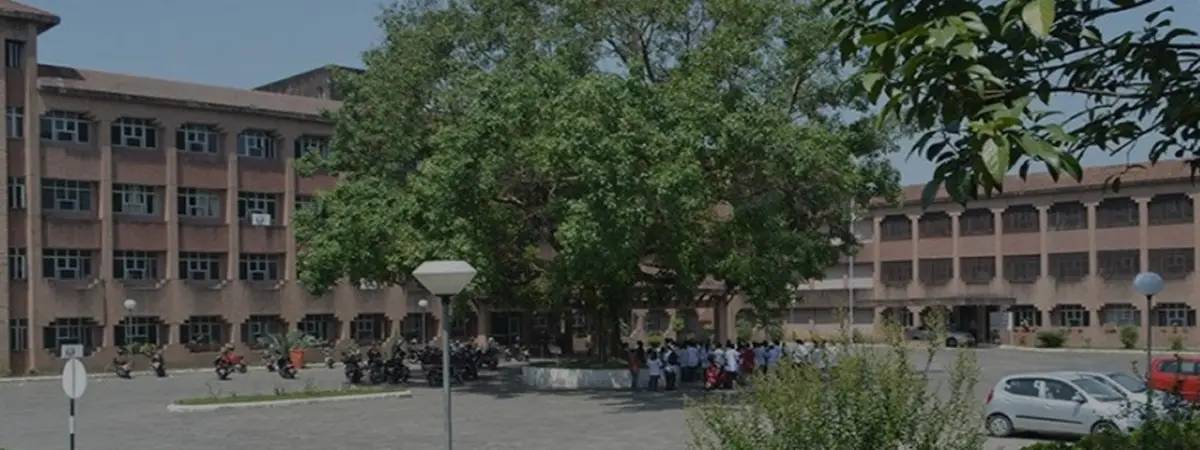
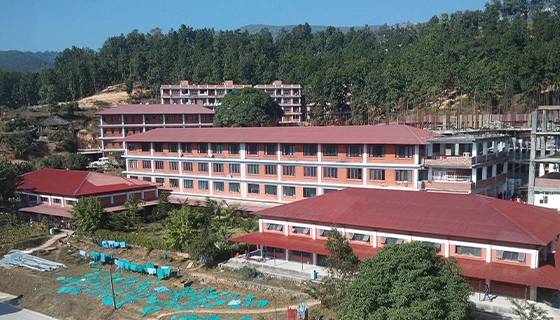
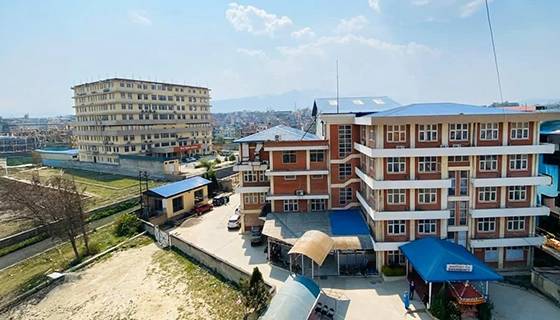
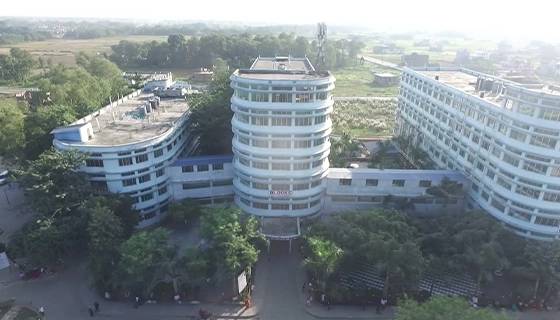
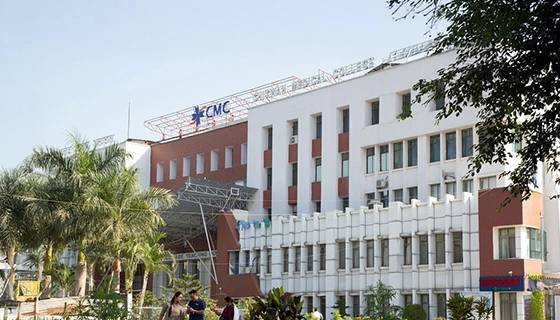
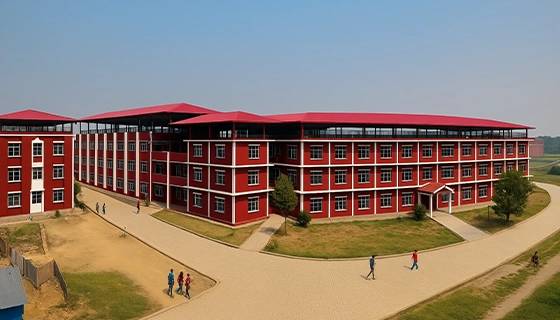
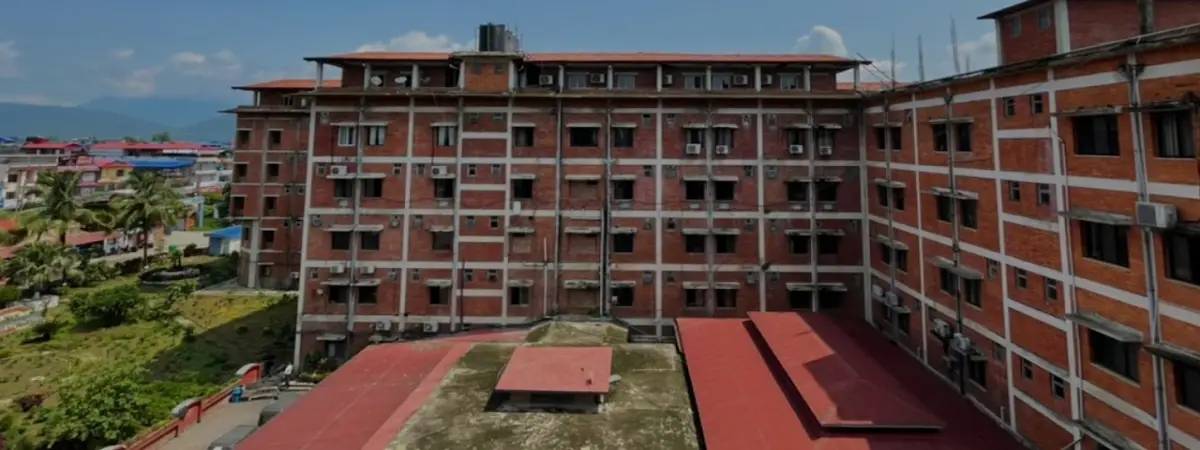
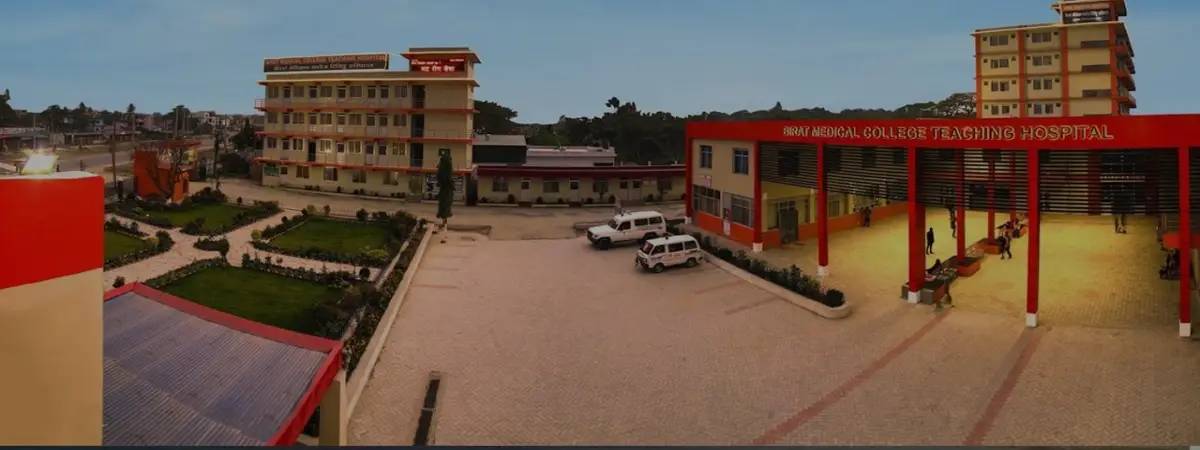
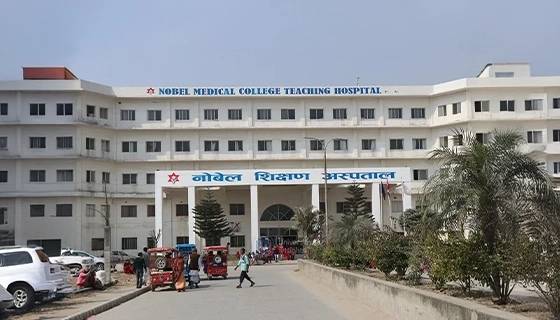
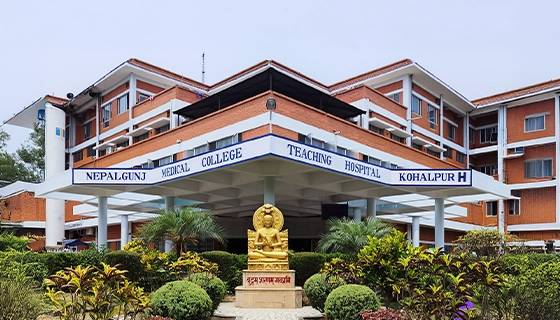
Indian students have more than 65 medical university options in Nepal to pursue an MBBS degree. These universities are well known for their bespoke learning & academic superiority. Additionally, they are aligned with the regulatory bodies such as the World Health Organisation (WHO) & National Medical Commission (NMC), which ensures global authorisation of the degree. Let’s have a look at the top-ranked Nepal Medical universities.

NMC Guidelines for Indian Students
The NMC (National Medical Commission) Gazette mandates that Indian students studying MBBS in Nepal must meet requirements & criteria.

The NMC Gazette is the official publication of the National Medical Commission (NMC) in India. It includes regulations for Undergraduate (UG) and Postgraduate (PG) medical education, such as the Graduate Medical Education Regulations, 2023, and Competency-Based Medical Education (CBME) guidelines. Official gazettes can be accessed on the NMC website under the "Rules & Regulations" section.
As per the NMC (National Medical Commission) norms, an MBBS program must consist of 4.5 years of theoretical education and 12 months of practical exposure.
The primary medium of instruction conveyed by the NMC for Indian students who want to pursue an MBBS abroad is English. Other languages will not be considered.
NMC mandates a set of subjects for an MBBS program, which is listed in “Schedule-1” of the NMC Gazette. It will help students in appearing for the FMGE or NExT.
The MBBS degree must be verified as a Primary Medical Qualification from the respective medical university. Indian students must ensure that.
Students who are pursuing an MBBS degree in Nepal or overseas must complete 12-months of clinical internship to be eligible for NMC registration.
Students who want to practice medicine in India must pass the licensing examination FMGE or NExT, which is administered by the Indian regulatory authorities.
Education Vibes is one of India's leading consultancies for MBBS in Nepal, with over 5 years of proven experience guiding Indian students to NMC-approved Nepalese medical universities. With trusted tie-ups across Nepal and other destinations like Russia, Georgia, Kazakhstan, Kyrgyzstan, Bangladesh, Ukraine, and Italy, we help students shortlist the best universities for MBBS. All partner universities are NMC and WHO compliant, offering a global standard of medical education. We ensure a smooth, hassle-free journey for your Medical Education
Discover the most cost-effective pathway to a recognised medical career, with MBBS tuition fees in Nepal ranging from INR 40 to 60 Lakhs for the complete five-and-a-half-year program. Although the cost of tuition fees in most of the medical universities is largely the same, the living expenses may vary depending on the student's location and lifestyle. Here is an overview of MBBS fees and the cost of living in Nepal for Indian students, as mentioned below.
| Item | Amount | Amount in INR |
|---|---|---|
| Annual Tuition Fee | $10,000 | ₹9,06,000 |
| Annual Hostel Fee | $1,100 | ₹99,700 |
| Annual Mess Fee | $900 | ₹81,500 |
| Medical Insurance | $100 | ₹9,060 |
| Visa Extension Fee | $50 | ₹4,530 |
Shown values are based on the current exchange rate between INR and USD (February 2026)

September Intake
Main Intake (Preferred)
Application Timeline
| June – July | Application Period |
|---|---|
| July – August | Application Processing |
| August - September | Visa & Pre-Departure |
| September - October | Classes Begin |

The primary medium of instruction at Nepalese universities is English, which is a plus point for international students. All theoretical classes, textbooks, and examinations are held in the English language; this eliminates language barriers and helps students communicate better.
The theoretical classes at Nepalese university are categorised as the first two years focus on theoretical, pre-clinical subjects (Anatomy, Physiology, Biochemistry), while the remaining years focus on clinical sciences. The curricula are vital and aligned with the NMC Gazette.
Nepal is a Least Developed Country (LDC), but it offers a plethora of equipped labs & practical sessions to Indian students. Some of the universities, like Nepal Medical College, Jorpati, feature 750+ bed teaching hospitals on-campus. It promotes hands-on experience and practical orientation.
During the MBBS program, students must complete 12 months of clinical training to complete their studies. The final year of the course duration is fully dedicated to the clinical rotation of students. During the internship period, students are required to assist and interact with local patients.

Study of the basics of Anatomy, Physiology, Biochemistry, and other subjects.
Study of diseases, diagnostics, labs, and early patient interactions
Hospital rotations with real patient care, diagnosis, and management. (Mandatory one-year supervised clinical training)

Years 1-1.5

Years 1.5 – 2.5

Years 2.5 – 4.5

Year 4.5 - 5.5
Indian students have numerous options to pursue an MBBS degree either in India or abroad. Nepal is a better alternative for students as compared to India in many ways. Both options offer structured medical education and practical clinical training, but each comes with its own unique opportunities and challenges. Let’s examine them briefly.
We proved our venture by guiding thousands of Indian students in realising their MBBS abroad dreams. Education Vibes is a leading overseas education consultancy with over 5 years of manifesting background. Here are the victory stories of students who achieve their dreams under our supervision.
It was sheer serendipity that I discovered Education Vibes. With their counsel, I was able to choose the top institution in Nepal for my MBBS program. My six years have been a fantastic experience, thanks to the Education Vibe Team. I miss going to university.
Mohit Sharma
Samara State UniversityI wanted to get my MBBS from a reputable college in Nepal, & Education Vibes gave me a lot of options. Aarti Yadav Senior consultant has shown me the greatest universities in the region and assisted me in selecting the best of them all. Thanks to Education Vibes.

Puneet Yadav
Lumbini Medical CollegeEducation Vibes is the greatest alternative for affordable academic counseling. They have a long list of institutes in Nepal where you may complete your MBBS. My path to a successful profession was made possible by Aari Yadav Senior Counsellor at Education Vibes.
Shikha Tiwari
Devdaha Medical CollegeIndian students are not limited to Nepal; they have a bunch of options to choose from. Here are the favourable destinations for MBBS abroad cited.
Explore the insights of the medical world, stay up to the minute before it's too late. Here are the latest trends, opportunities, and expansions in medical education mentioned for Indian students.



Experience a flawless blend of comfort, convenience, and security with fully designed, modern accommodations. Nepalese universities offer vibrant on-campus facilities to students, ensuring updated installations and a quality experience.

Indian enjoys a plenty of equipped facilities, such as amenities that typically include attached bathrooms, Wi-Fi, 24/7 CCTV, study rooms, and mess services serving Indian vegetarian food. These facilities help students adapt to the culture, and they ensure a smooth transition for Indian students.

MBBS in Nepal offers a secure and comfortable environment for international and Indian students, with most colleges providing 24/7 guarded, CCTV-surveilled, and segregated hostels (single/twin-sharing). Additionally, the overall low-crime environment is safe, particularly in major cities.

Nepal is a close neighbour of India, with proximity providing easy access for travel. It is fully aligned with the National Medical Commission, and the curriculum is similar to the Indian MBBS model, with many Indian professors teaching in Nepali medical colleges with English-taughting. These values make Nepal Indian friendly.
Winter in Nepal (especially in the Kathmandu Valley and mid‑hills) brings cool, crisp mornings with clear skies. Temperatures typically range from 5°C to 18°C.
Don’t worry!

Summer in Nepal is warm and gradually humid, with daytime temperatures in the Kathmandu Valley averaging around 25°C to 32°C.
Perfect time!
Get a quick highlight of Nepal — About its population, capital, monetary system, language, and head of state. These are the basic attributes of Nepal that each student must know.
Government Scholarships
University Scholarships
Other External Sources
Filled loan application form
Proof of identity (e.g., PAN card, Aadhaar, passport)
Proof of residence (e.g., utility bill, Aadhaar, passport)
Passport‑size photographs
Academic documents (10th & 12th mark sheets, NEET scorecard)
Offer/Admission letter from the Nepalese Medical College
Tuition fee schedule
Bank statements (often last 6 months)
Income proof (salary slips, IT returns)
State Bank of India (SBI)
Bank of Baroda
Bank of India
Canara Bank
HDFC Credila Education Loan
ICICI Bank Education Loan
Axis Bank
NBFCs like Avanse
Tuition fees for MBBS in Nepal
Hostel/accommodation fees
Living expenses/maintenance allowance
Travel expenses for joining/returning home
Books, equipment, a laptop, etc.
Insurance, exam fees, library fees
Funds can be disbursed directly to the university
An MBBS degree from Nepal opens doors to numerous career opportunities and pathways for Indian students. They can opt for a considerable number of fields and backgrounds in India and worldwide, like practising medicine in India (after qualifying the NEXT exam), pursue post studies (MD/MS/Diploma). Here are the career opportunities for Indian students mentioned.


Clear the National Exit Test (NEXT) or Foreign Medical Graduate Examination (FMGE) to practice in India and register with NMC.


Graduates can choose a bunch of careers in Nepal by maximising their medical education. Here are the pathways cited.

Education Vibes will guide you throughout your MBBS in Nepal journey from fresh counselling and university application to final post-departure support. We are one of India's most trusted overseas education consultancies with over 5 years of experience, holding direct tie-ups with NMC-approved medical universities in Nepal. Our expert team will assist you at every stage of your MBBS journey.
Education Vibes has very close tie-ups with 20+ top-ranked medical universities in Nepal. These universities are accredited by the National Medical Commission (NMC) and listed in the World Directory of Medical Schools (WDOMS).
We provide end-to-end support at each step for your MBBS abroad journey. Our expert team will assist you from the initial counselling and university selection to documentation, apostille, SOP preparation, visa application, and final enrollment.
We have a dedicated team for on-ground support services, and our local representatives will first pick you up at the airport. After that, they will assist you with hostel arrangements, registration, guidance on local culture, transportation, etc.
Education Vibes maintains a standard of communication with each student and their parents. We provide transparent and reliable guidance on fees, eligibility, academic requirements, and career prospects, ensuring a fruitful transition.
Yes, a qualifying NEET score is mandatory for Indian students. It allows graduates to practice medicine in India after completing the necessary licensure examinations (FMGE or NExT).
The eligibility criteria for MBBS in Nepal are set by NMC (India). As per the norms, students must meet: A minimum age of 17 years as of 31st December of the admission year, A qualifying NEET score, and an aggregate 50% in 10+2 with PCB.
Yes, an MBBS degree from Nepal is well-recognised in India. As it is aligned with the NMC (National Medical Commission). Allowing students to appear for the licensure examinations, FMGE or NExT.
The course duration for MBBS in Nepal is 5.5 years. The whole duration includes 4.5 years of theoretical learning and 1 year of mandatory clinical experience.
Although major universities in Nepal are cost-effective, offers quality education at an affordable cost ranging from INR 40 lakhs to INR 60 Lakhs.
Yes, there are several scholarship opportunities for Indian students in Nepal. The scholarships are primarily availed through bilateral government agreements and specific academic schemes. Some of them include Embassy of India Scholarships, SAARC Scholarship Scheme, Nepal Aid Fund Scholarship Scheme, etc.
Yes, Indian students have access to hostel and mess facilities, with vibrant amenities. The hostels typically offer amenities like Wi-Fi, laundry, and 24/7 security, with mess halls serving Indian, vegetarian, and Nepali cuisine.
The Medical Education Commission Common Entrance Examination (MECEE-BL) is the primary entrance for securing admission to undergraduate medical programs in Nepal. While NEET is required for Indian students to practice in India. Students either need NEET or MECEE-BL.
The cost of living for Indian students in Nepal is affordable, generally ranging from NPR 25,000 to NPR 45,000 per month (approx. ₹15,500 – ₹28,000 INR).
Yes, a 12-month internship is included in the course duration of MBBS. The whole course duration is 5.5 years, and the last year is fully dedicated to the clinical rotation.
Stay updated with the latest news and exclusive content by subscribing to our newsletter