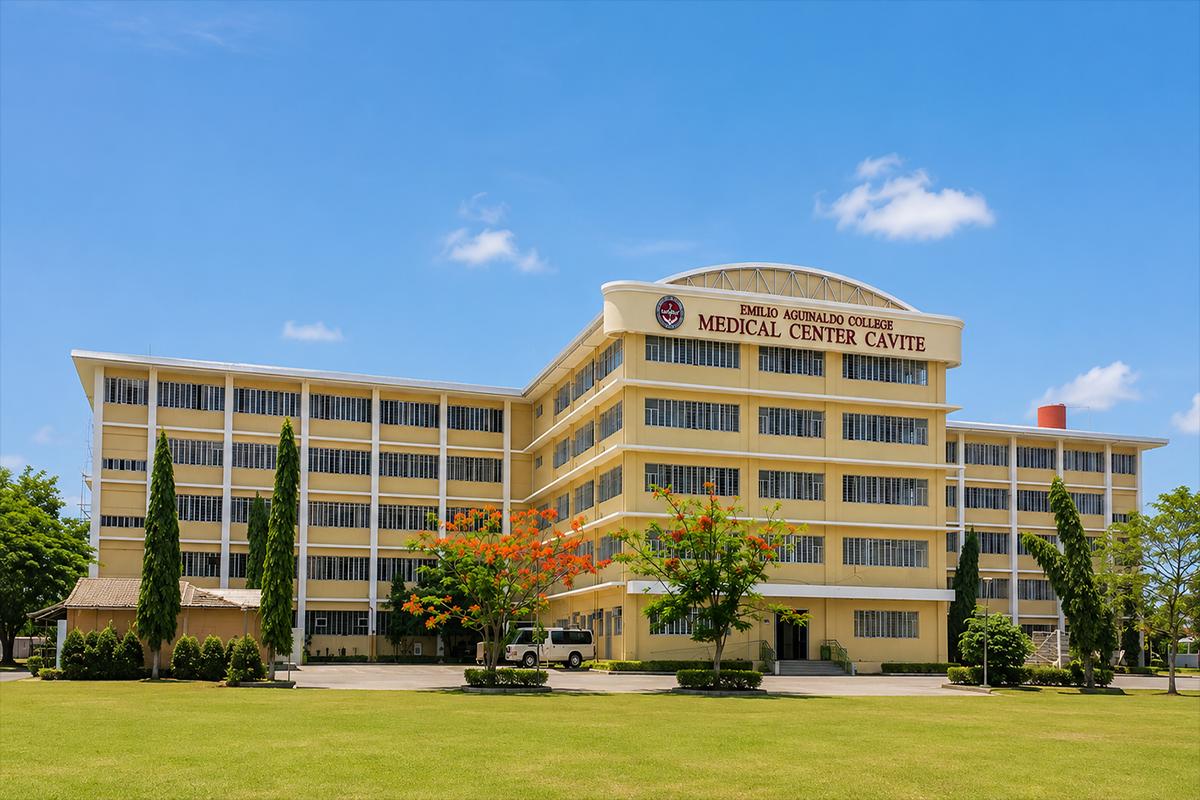

Emilio Aguinaldo College

Founded:
1957

Country:
Philippines
Get expert assistance for your MBBS admission at Emilio Aguinaldo College, ensuring a straightforward, reliable, and thriving enrollment experience.
Get expert assistance for your MBBS admission at Emilio Aguinaldo College, ensuring a straightforward, reliable, and thriving enrollment experience.
Emilio Aguinaldo
College

Founded
1957

Country
Philippines
Emilio Aguinaldo College Overview
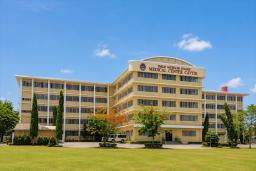
Established in 1957, Emilio Aguinaldo College (EAC) is one of the leading private educational institutions in the Philippines, renowned for its commitment to excellence in medical and healthcare education. With campuses in Manila and Cavite, EAC provides a modern academic environment supported by experienced faculty, advanced laboratories, and affiliated teaching hospitals. The institution welcomes thousands of students, including a growing number of international learners, and offers a medical curriculum designed to build strong theoretical knowledge and extensive clinical competence. Emilio Aguinaldo College offers a Doctor of Medicine (MD) program through its School of Medicine, alongside undergraduate and postgraduate programs in Nursing, Medical Technology, Pharmacy, Dentistry, Physical Therapy, and other allied health sciences. The medical program emphasises early clinical exposure, hands-on hospital training, research, and community healthcare. Recognised by the Commission on Higher Education (CHED) of the Philippines and listed in the World Directory of Medical Schools (WDOMS), Emilio Aguinaldo College follows internationally accepted medical education standards, making it a preferred destination for students aspiring to pursue a globally recognised medical qualification.
Quick Facts of Emilio Aguinaldo College

University Type
Location
Established Year
Medium of Instruction
Why Choose Emilio Aguinaldo College for MBBS?

Recognition & Accreditation
NMC Compliance (As Per Latest Guidelines)
Minimum Duration
Medium of Instruction
Mandatory Subjects
Validity of the Degree
Mandatory Internship
Indian Screening Tests
Emilio Aguinaldo College Fee Structure and Cost Breakdown
| Item | Amount | Amount in INR |
|---|---|---|
| Tuition Fee | $8000 | ₹720000 |
| Hostel Fee | $1700 | ₹153000 |
| Food | $1200 | ₹108000 |
| Medical Insurance + OTC | $3000 | ₹270000 |
| Total Value | $13900 | ₹1251000 |

Free Eligibility Check
Emilio Aguinaldo College Eligibility Criteria

Emilio Aguinaldo College Admission Process

Free 1:1 Counselling Session
Application Submission
Admission Confirmation
Document Legalisation
Visa Application Submission
Flying to the Philippines
Documents Required

10th & 12th Mark Sheet
Valid NEET Score
Original Passport
HIV Test Report
Medical Fitness certificate
Passport-size photographs
MBBS Intakes at Emilio Aguinaldo College

September Intake
Primary Intake (Recommended)
| Application Period | April-May |
|---|---|
| Application Processing | May-July |
| Visa & Pre-Departure | July-August |
| Classes Begin | August-September |
February Intake
Secondary Intake (Optional)
| Application Period | October-November |
|---|---|
| Application Processing | November-January |
| Visa & Pre-Departure | January-February |
| Classes Begin | February-March |
MBBS Course Duration and Structure
1
Pre-Clinical Years
- ✓Gross Anatomy
- ✓Histology
- ✓Embryology
- ✓Human Physiology
- ✓Biochemistry
- ✓Neuroanatomy
2
Para-Clinical Years
- ✓General Pathology
- ✓Systemic Pathology
- ✓Pharmacology
- ✓Clinical Pharmacology
- ✓Microbiology
- ✓Immunology
3
Clinical Years
- ✓Internal Medicine
- ✓General Surgery
- ✓Pediatrics
- ✓Obstetrics & Gynecology
- ✓Psychiatry
- ✓Family and Community Medicine

Curriculum Highlights
At Emilio Aguinaldo College (EAC), the MBBS (known locally as the Doctor of Medicine or MD program) is typically a 6-year course for international students. The curriculum highlights early clinical rotations and develops the basics of Anatomy, Biochemistry, Physiology, and Histology in the early years.
Top Universities in the Philippines for MBBS
University of Santo Tomas
The Manila Times College
UV Gullas College of Medicine
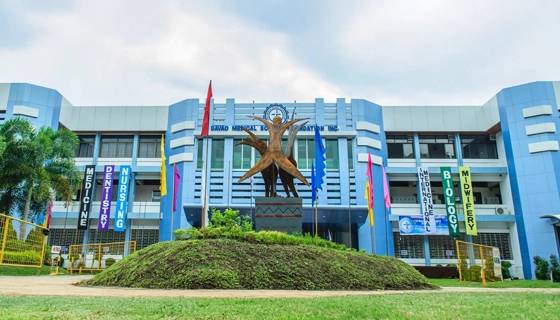
Davao Medical School Foundation
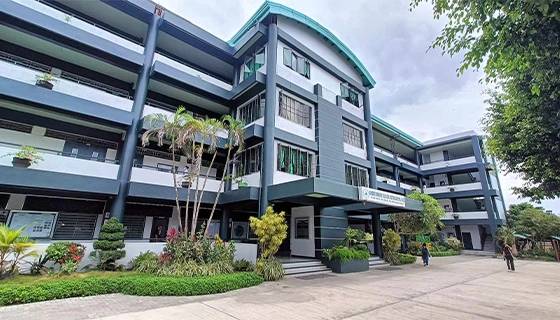
Brokenshire College
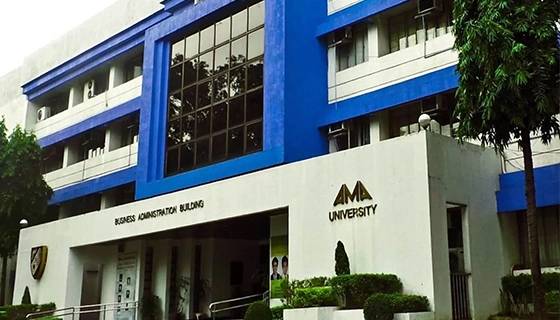
AMA School of Medicine
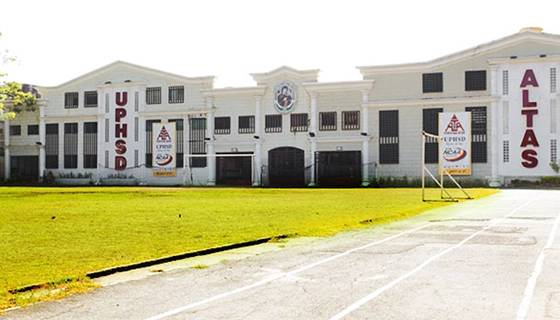
University of Perpetual Help System DALTA
City At A Glance – Manila
| Region | National Capital Region (Metro Manila), Philippines |
|---|---|
| Connectivity | Expressways, road networks, the LRT and MRT rail systems, public buses, etc. |
| Population | Approx. 1.9 million (est. 2026) |
| Highlights & Attractions | Intramuros, Rizal Park, Manila Ocean Park, National Museum Complex, etc. |
| Time Zone | UTC+8:00 (2 hours 30 minutes ahead of IST) |
Host el & Accommodation Facilities
Student Life at
Emilio Aguinaldo College
Emilio Aguinaldo College features a dynamic and regional environment for global students with top-tier athletic facilities, folk performance, extracurricular activities, and more. Below are the key aspects of student life at EAC mentioned.
Accommodation and Campus Life
Academic & Study Resources
Sports, Culture & Recreation
Social Life & Community
Challenges & Realities
Ritika Verma
Emilio Aguinaldo CollegeKarthik Nair
Emilio Aguinaldo CollegePooja Singh
Emilio Aguinaldo CollegeNikhil Patil
Emilio Aguinaldo CollegeAnanya Das
Emilio Aguinaldo CollegeWeather and Climate
Manila experiences a tropical monsoon climate, categorised by warm temperatures, high humidity, and two distinct seasons, which are the wet season (June to November) and the dry season (December to May). Here are the weather and clinical conditions of Manlia mentioned below.
Summer
June - August
The summer season in Manlia is characterised by heavy rainfall, high humidity, and frequent typhoons. Temperatures hover between 25°C and 32°C.
Don’t worry!
Classrooms, lab facilities, and other university areas are well equipped with ventilation systems.
Winter
November - February
Winter in Manila brings relief from the extreme tropical heat and humidity. Daytime highs average 28°C to 32°C with nighttime lows dropping to 22°C to 25°C.
Stay warm!
Hostels, classrooms, and other university buildings are equipped with central heating systems.
Career Opportunities After MBBS from Emilio Aguinaldo College
Practice in India
After completing the required licensing formalities in India, graduates can pursue diverse clinical opportunities across the country.
- Clear the FMGE or upcoming NExT examination
- Fulfil internship requirements as per Indian regulations
- Secure registration with the National Medical Commission (NMC)
- Work in reputed hospitals, private clinics, and healthcare organisations
Practice in the Philippines
Graduates who wish to remain in the Philippines can establish rewarding careers by meeting the country's licensure requirements.
- Pass the Philippine Physician Licensure Examination (PLE)
- Complete the mandatory postgraduate internship program
- Registration through the Professional Regulation Commission (PRC)
- Explore opportunities in government hospitals and private institutions
Pursue Postgraduate Medical Education
The journey does not end with an MBBS degree. Graduates can enhance their qualifications by pursuing PG studies and specialist training in India or overseas.
- Appear for NEET-PG, INI-CET, or other recognised entrance examinations
- Choose from numerous clinical and non-clinical specialities
- Join residency programs for advanced medical training
- Develop expertise and expand long-term career prospects
Explore International Medical Careers
An internationally recognised medical qualification can open pathways to healthcare systems worldwide, allowing graduates to pursue careers beyond borders.
- Qualify through the USMLE for the United States
- Pursue PLAB/UKMLA pathways for the United Kingdom
- Clear AMC assessments for Australia
- Explore international residency, fellowship, and medical research