MBBS in Iran

MBBS in Iran

Pursue your medical studies in Iran with the expert guidance of certified MBBS abroad counsellors, and make your dreams a reality

Overview of Pursuing an MBBS in Iran

An MBBS in Iran offers rigorous 6-7 year medical programmes to aspiring doctors, culminating in a Doctor of Medicine (MD) that is equivalent to the MBBS in other countries. According to the official data from the Ministry of Health and Medical Education (MOHME) and other official sources in Iran, there are approximately 65 universities of medical sciences offering medical courses. This includes both major provincial universities and small independent faculties in Iran. Many of these universities boast modern laboratories, research facilities, and advanced teaching facilities at the affiliated hospitals, drawing many students who want to pursue their MBBS abroad.

As per the most recent data available from the Ministry of External Affairs (MEA) and reports from the All India Medical Students Association (AIMSA) as of early 2026, approximately 3,000 Indian students are currently enrolled in medical programmes and pursuing an MBBS in Iran. The majority of these Indian students (approximately 40%) hail from Jammu and Kashmir, followed by Delhi, Punjab, and Kerala, according to data available from the MEA and AIMSA as of early 2026. 

The increasing number of Indian students enrolling for the medical programmes at Iranian universities in the last few years can be attributed to the degree recognition by the National Medical Commission (NMC) and the relatively affordable cost of education, while also providing an integrated curriculum. The Ministry of Health and Medical Education (MOHME) ensures that medical students receive academic and practical clinical knowledge with a combination of learning experiences. It maintains the healthcare education system of Iran, including supervision of medical universities, hospitals, and research centres.

Rohit Sharma

Rohit Sharma

Jaipur, Rajasthan

NEET312

Choosing Arak University of Medical Sciences was the best decision I made, based on the recommendation by the Education Vibes counsellor who also helped me with the entire process. Thank you so much for your assistance!

Arak University of Medical Sciences
Iran
Arak University of Medical Sciences logo
Faizan Ahmed

Faizan Ahmed

Hyderabad, Telangana

NEET307

Education Vibes helped me to enrol at the Arak University of Medical Sciences. The application process was very smooth, and I simply had to communicate with the team and provide the necessary information and required documents.

Arak University of Medical Sciences
Iran
Arak University of Medical Sciences logo
Ayesha Khan

Ayesha Khan

Lucknow, Uttar Pradesh

NEET298

I am glad I chose Islamic Azad University for my MBBS in Iran, as it offers me a learning environment that allows me to truly immerse myself in studies while leaning towards practical application of the theories. It’s so far so good.

Islamic Azad University
Iran
Islamic Azad University logo
Sana Parveen

Sana Parveen

Patna, Bihar

NEET289

The decision for pursuing an MBBS in Iran was quite intimidating at first, but I realised that it can be a fulfilling experience for me. Right now, studying at Islamic Azad University has been good, and living expenses are feasible to manage. I feel comfortable here now!

Islamic Azad University
Iran
Islamic Azad University logo


Quick Facts About the MBBS in Iran

Before diving into the details, have a look at the key information regarding the MBBS in Iran for Indian students.

Number of Indian Students

Number of Indian Students

Approximately 3,000 Indian students (as of early 2026 data)

Course Duration

Course Duration

6-7 years, comprising pre-clinical and clinical training, and internship

Admission Intakes

Admission Intakes

September is the main intake, while February is the secondary intake

Basic Eligibility

Basic Eligibility

50-60% in 12th with PCB, 17 years old minimum age requirement

Medium of Instruction

Medium of Instruction

English in all top universities, and Farsi during the Foundation Year

Tuition Fees

Tuition Fees

Between ₹4,000 and ₹7,000 per year, depending on the university

Cost of Living

Cost of Living

₹27 thousand to ₹1.38 lakh per month, depending on the city and lifestyle

Accreditations

Accreditations

MOHME, WDOMS, ECFMG, NMC

Why Should You Study MBBS in Iran?

Iran has a well-structured education system for all medical students, supervised and regulated by the Ministry of Health and Medical Education (MOHME). It offers students high academic excellence and an organised way of learning with affordable tuition fees. Here are the major reasons why Indian students should study MBBS in Iran:

Government-Regulated System

Medical education in Iran is regulated by the Ministry of Health and Medical Education (MOHME), which manages both healthcare services and medical universities. This combination of a regulated education and healthcare system creates uniform standards and offers quality learning opportunities, enabling students to perform well in their fields.

Affordable Medical Education

The MBBS fees in Iran range between $4,000 and $7,000 per year (₹4 lakh-₹7 lakh), as per the current exchange rate (in March 2026). This range of tuition fees is way more affordable than in other major countries, especially lower than enrolling in a private Indian university.

Manageable Monthly Expenses

With subsidised education at public universities in Iran, international students have an upper hand when it comes to bearing the financial burden of managing their monthly living expenses. Additionally, cities like Urmia and Kemran are more affordable than cities like Tehran, allowing students to live comfortably in Iran without facing any financial challenges.

Globally Ranked Universities

An Iranian medical degree is internationally recognised, and the country’s top universities are ranked among the world’s top 500 for medical education. This includes names of Iranian universities, such as Tehran University of Medical Sciences and Shahid Beheshti.

Extensive Clinical Exposure

During the initial and main stages of clinical years, students gain hands-on experience through clinical experiences at the university-affiliated hospitals. These hospitals offer students a wide variety of medical cases of diversified patients, helping them to improve their diagnostic and clinical skills.

Advanced Medical Research

With significant government support, Iran has built a strong reputation in biomedical research. The Iranian government has invested significantly in the development and advancement of universities and research centres. It allows all students to have a unique academic experience that helps them to work on their analytical skills.

🎧 Free Counselling

+91

By submitting this form, you accept our Terms & Use

MBBS in Iran: Eligibility Criteria for Indian Students

Indian students planning to pursue their MBBS in Iran must meet the eligibility criteria, defined by the rules of Iranian universities and India’s National Medical Commission (NMC). While specific eligibility requirements can vary depending on the specific policies of each Iranian university, the following are generally accepted as the MBBS in Iran eligibility criteria:

Academic Background

All medical candidates must have completed their senior secondary education (12th grade) with physics, chemistry, and biology as core subjects.

Academic Qualifications

All candidates must have a score of at least 50-60% (depending on the university) in their 12th grade with a PCB educational stream.

Age Limit

According to the NMC guidelines, all candidates must be at least 17 years of age, as of 31st December of the admission year.

NEET Qualifications

All Indian candidates planning to pursue an MBBS abroad must qualify for the NEET-UG (valid for 3 years), as per the NMC.

Documentation

All applicants must get their documents apostilled from the Ministry of External Affairs in India and follow the specific instructions of the Iranian Embassy for verification.

Students studying together

MBBS in Iran Admission Process: Step-by-Step Guide

The MBBS in Iran admission process is streamlined through the Ministry of Health and Medical Education (MOHME) and universities, handling it through their own admission portals. Indian students must ensure that their application meets the requirements of both Iranian authorities and the National Medical Commission (NMC) in India.

Step 1
Brief Counselling Session

Brief Counselling Session

Take a small 1:1 counselling session with our counsellor, who will discuss all the relevant and essential information with you on your academic and professional aspirations.

Step 2
Shortlist Based On Profile

Shortlist Based On Profile

The counsellor will evaluate your overall profile and recommend relevant universities that match your budget, eligibility, and long-term career goals, allowing you to shortlist them.

Step 3
Online Application Submission

Online Application Submission

Our team will handle the entire process: paperwork, application submission on the university’s admission portal, and any other requirements.

Step 4
University Review Process

University Review Process

The admission committee will review your application, and you might need to attend an online interview as well.

Step 5
Receive Admission Letter

Receive Admission Letter

Once you have cleared the review process, the university will provide you with an admission/offer letter, confirming your seat for the medical programme.

Step 6
Visa Application Process

Visa Application Process

Our team completes all the necessary paperwork (apostille, attestation, and a Visa Tracking Code) for the visa application at the nearest embassy or consulate.

Step 7
Get Pre-departure Briefings

Get Pre-departure Briefings

Meanwhile, visa processing is completed in 10-15 working days; we arrange accommodation and airfare (as required) and provide necessary resources for a smooth transition.

Step 8
Post-Arrival & Finalisation

Post-Arrival & Finalisation

Upon arriving in Iran, complete the immigration process and reach your university. Pay the initial fee and complete a medical check-up (if required); submit original documents and get a residence permit.

Documents Required to Study an MBBS in Iran

To study an MBBS in Iran, all Indian medical candidates must ensure that they have all the relevant and required documents to avoid any possible discrepancies in the admission process. The Iranian government takes the documentation very seriously, and students must ensure that they get their documents verified from both India’s MEA and the Iranian Embassy in New Delhi.

MBBS Abroad Benefits
10th & 12th Academic Transcript

10th & 12th Academic Transcript

Valid Passport (minimum 6 months’ validity)

Valid Passport (minimum 6 months’ validity)

Certificate (Birth, Transfer, Migration, PCC)

Certificate (Birth, Transfer, Migration, PCC)

Identification Proof (for internal record-keeping)

Identification Proof (for internal record-keeping)

NEET Scorecard (valid for 3 years)

NEET Scorecard (valid for 3 years)

Passport-sized Photographs (as per Embassy guideli

Passport-sized Photographs (as per Embassy guideli

Medical Certificate (HIV Report, Hepatitis B Repor

Medical Certificate (HIV Report, Hepatitis B Repor

SOP, LORs, CV (as applicable)

SOP, LORs, CV (as applicable)

Top Medical Universities in Iran For Indian Students

The Iranian medical education system is regulated by the Ministry of Health and Medical Education (MOHME), ensuring that all universities provide a structured learning experience to all enrolled students. Here are the top universities in Iran for Indian MBBS aspirants:

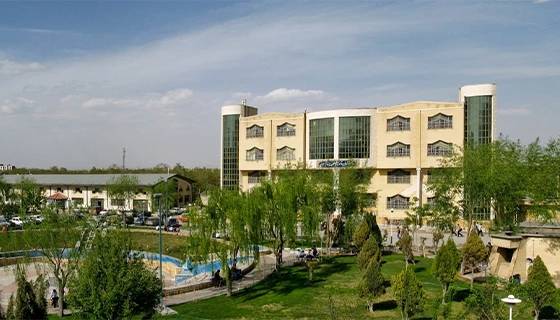
Arak University of Medical Sciences
Founded1987
CityArak
Fees$4,030

Arak University of Medical Sciences

Medical students from all over the world must be aware of some critical features before enrolling in the MBBS admission in Iran. For more details to visit our website.

Click Now
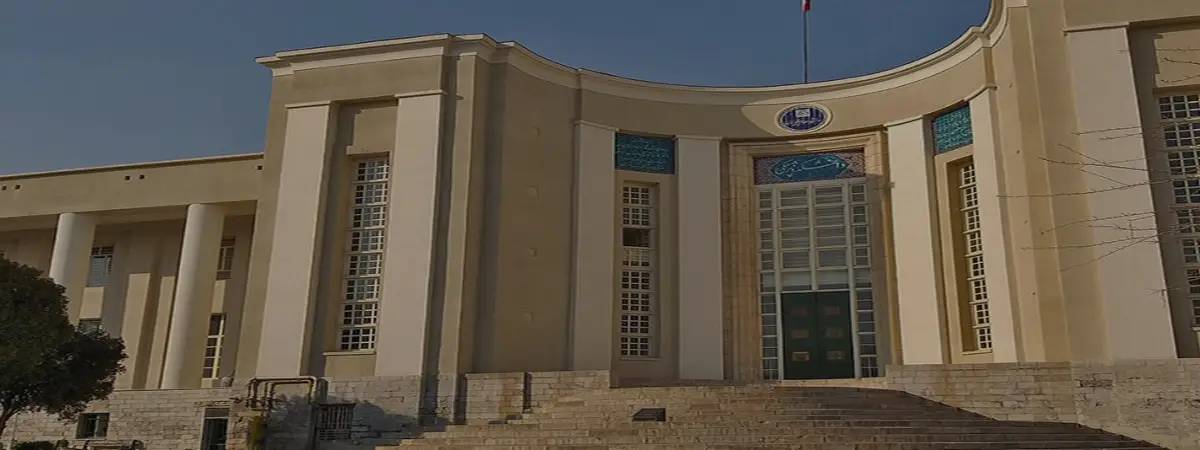
Islamic Azad University
Founded1985
CityTehran
Fees$3,500

Islamic Azad University

The medical degree of MBBS can be obtained in six years if studied in English. This program lasts six years and includes a one-year internship in one of the Islamic Azad University’s associated hospitals.

Click Now

Things to Consider Before Applying to an MBBS in Iran

Before medical candidates begin the admission process, certain points should be understood and taken into account. The application process; admission requirements, including academic and legal requirements; immigration rules; and cost are all a part of these considerations, explained in brief detail below:

Duration of the Entire Program

Duration of the Entire Program

The overall duration of an MBBS in Iran is 6 years at selected medical universities. However, the programme duration varies across universities depending on their curriculum design, with certain curricula extending medical programmes to 7 years.

Impact of NMC Gazette on the MBBS in Iran

Here’s a clear, updated overview of the Impact of the NMC Gazette on MBBS in Russia, especially for Indian students planning or already studying medicine there:

What is the NMC Gazette?

What is the NMC Gazette?

The NMC Gazette is the official notification, providing requirements that Indian medical aspirants must meet when pursuing an MBBS abroad. It also helps in selecting the appropriate foreign institution. The guidelines in the gazette ensure that students receive education that is aligned with the Indian healthcare system and regulatory requirements.

NMC Compliance at Iranian Universities

Minimum Duration

Minimum Duration

The minimum duration of an MBBS/medical degree at a foreign university must be at least 54 months (4.5 years), followed by a 12-month internship.

Fully Compliant
Medium of Instruction

Medium of Instruction

All graduated students must have studied the entire coursework in the English language, as specified in the gazette under the 4(1)(iii) guidelines.

Fully Compliant
Mandatory Subjects

Mandatory Subjects

As per the guidelines mentioned in "Schedule 1" of the NMC’s Gazette, all Indian graduates must have completed the course with mandatory subjects.

Fully Compliant
Validity of the Degree

Validity of the Degree

The awarded medical degree must be from a locally recognised institution and allow graduates to practise in the country, subject to their licensing requirements.

Fully Compliant
1-Year Indian Internship

1-Year Indian Internship

After completing an MBBS in Iran, all Indian students have to complete an additional 12-month clinical internship (CRMI) in India, as per the NMC FMGL Regulations.

Fully Compliant
India’s Medical Screening

India’s Medical Screening

The NMC has clearly stated in its 4(d) guideline that all foreign medical graduates (FMGs) must clear the medical licensing examination in India.

Fully Compliant
Our Commitment

Our Commitment

We conduct our counselling process with a “student-first” approach to safeguard their future. Our team ensures that students receive the ethical and transparent guidance to shortlist the Iranian universities that comply with the latest NMC FMGL Regulations.

Iran MBBS Fees Structure and
Cost of Living

MBBS in Iran cost can be understood with a segmentation of how much students can expect to pay for the expenses related to their studies and daily life. An interesting fact is that Iran is a more affordable place for foreigners than for local citizens themselves, as the inflationary rates are too high. Here is an estimate of the expenses for Indian students and their parents to plan everything efficiently:

Annual Tuition Fee
$7,572|₹7,00,000
Annual Hostel Fee
$2,000|₹1,84,895
Visa Application Fee (up to 5 years)
$80|₹7,395
Medical Insurance (annual basis)
$300|₹27,734
Total Tuition Fee (7 Years)
$53,004|₹49,00,087

Iran MBBS Intakes for Foreign Students

The MBBS intakes in Iran are in September and February. While the former offers higher benefits to Indian students with the availability of English-taught programmes and better access to university hostels, the latter has very limited availability across the Iranian universities.

September Intake

September Intake

Primary Intake (Recommended)

Application Timeline

February-June

Application Period

June-July

Application Letters

July-August

Visa & Pre-Departure

September-October

September-October

February Intake

February Intake

Alternative Intake

Application Timeline

September-November

Application Period

November-December

Application Letters

December-January

Visa & Pre-Departure

February

Classes Begin

info icon

Important Note for Indian Students

Indian students are advised to check the availability of their shortlisted medical universities for their preferred intake. Additionally, not every university offers the February intake, leaving medical candidates with a gap year in case no medical programme is available.

Teaching Methodology & Practical Training in Iran

Medical education in Iran is regulated by the Ministry of Health and Medical Education (MOHME). It ensures that all medical students meet global healthcare standards by gaining access to a rigorous, competency-based teaching model in most universities.

Teaching Methodology & Practical Training in Iran
Curriculum With Multiple Phases

Curriculum With Multiple Phases

The medical programme begins with Basic Sciences, focusing on the theoretical foundations and laboratory work. It transitions later into the Physiopathology phase, where students learn the mechanisms of diseases. Lastly, the “Externship/Clerkship” phase offers clinical exposure to learn patient treatment and basic procedures (through observation).

Modern Infrastructure and Research

Modern Infrastructure and Research

All medical students receive their training in the state-of-the-art clinical skills centres and advanced laboratories. Top universities, such as Tehran University of Medical Sciences (TUMS), integrate virtual learning platforms and research projects into their medical curriculum, which allows students to learn using the latest technologies.

Hands-On Clinical Training (Externship)

Hands-On Clinical Training (Externship)

During the Externship phase (the third phase, in clinical years), students participate in supervised hospital rotations across diverse departments, including surgery, paediatrics, and internal medicine. In this process, students “shadow” senior doctors to learn to take patient histories and practise physical examinations.

Intensive Internship in the Final Year

Intensive Internship in the Final Year

The final phase of the entire MBBS in Iran lasts for a duration of 12 to 18 months. Students work as “intern doctors" and are treated as “junior doctors”, meaning they carry all the major responsibilities of a professional doctor: patient care, performing (minor) procedures, doing night shifts and on-call duties.

Pre-Clinical YearsYears (1-2/2.5)

Pre-Clinical Years

Focuses on foundational basic sciences (anatomy and physiology), ending with the “Olum-e-Paya” exam.

Para-Clinical YearsYears (3)

Para-Clinical Years

Focuses on transitioning from theory to practice (involving externship), ending with a pre-internship exam.

Clinical YearsYears (4-6/7.5)

Clinical Years

Focuses on hands-on clinical experience through department rotations, ending as a final internship.

Syllabus for an MBBS in Iran

The medical education system in Iran has a unique structure compared to the Indian or European systems. While three phases (pre-clinical, para-clinical, and clinical) are common in India or other countries, the Iranian government (MOHME) and universities, like TUMS and IUMS, have four different phases (basic sciences, physiopathology, clerkship/externship, and internship).

Pre-Clinical Years

Years (1-2/2.5)

Pre-Clinical Years

  • Anatomy
  • Physiology
  • Biochemistry
  • Genetics
  • Immunology
  • Microbiology
Syllabus

Years (3)

Syllabus

  • General Pathology
  • Pharmacology
  • Semiology (Physical Diagnosis)
  • Physiopathology of Organ Systems (cardiovascular
  • respiratory
  • gastrointestinal)
Clinical Years

Years (4-6/7.5)

Clinical Years

  • Internal Medicine
  • General Surgery
  • Pediatrics
  • Obstetrics & Gynecology
  • Infectious Diseases
  • Psychiatry & Mental Health

Overall Comparison vs : MBBS in Iran and MBBS in India

Pursuing an MBBS in Iran differs from an MBBS degree in India, mainly in terms of how admissions are processed, tuition fees, overall duration of the medical programme, availability of medical seats, and medical licensing requirements. Here is a comparison between the two countries in terms of different specifications:

Comparison Criteria
MBBS in Iran

  • There is no entrance examination in Iran for enrolment into the medical programmes by foreign students.
  • Admissions in Iranian medical institutions are primarily based on merit and scores in the 12th grade.
  • Some top-tier universities, such as Tehran University of Medical Sciences (TUMS), may conduct in-house interviews or aptitude tests.
  • For Indian students planning to pursue their clinical careers in India, they must have qualified for the NEET-UG examination (valid for 3 years from the date of the results).
MBBS in India

  • The official, single national entrance examination for an MBBS in India is the NEET-UG (National Eligibility cum Entrance Test - Undergraduate).
  • The National Testing Agency (NTA) conducts and administers the exam each year across all Indian states.
  • The exam covers the syllabus from the 11th and 12th classes, comprising questions from physics, chemistry, and biology.
  • Based on the NEET scores and category, Indian candidates are eligible for admission to a particular Indian medical institution.
MBBS in Iran

  • All medical candidates must have studied physics, chemistry and biology in their 12th grade.
  • The candidates must have a minimum aggregate of 50%-60% in their 12th grade, depending on the particular Iranian medical institution.
  • English proficiency is important for all international students. While some universities require IELTS or TOEFL scores, others accept MOI certificates or proof of previous education in English.
  • Candidates must also follow all the specific and latest instructions of the Iranian Embassy.
MBBS in India

  • Candidates must be from a PCB background (studied physics, chemistry and biology in 12th grade).
  • The minimum score required for the general category is 50%, and 40% for the reserved category (SC, ST, OBC, EWS, PwD).
  • The applicants must be at least 17 years old, as of 31st December of the same admission year.
  • Qualified for the NEET-UG before applying to the MBBS in India, as per the NMC rule.
MBBS in Iran

  • The duration of the medical programmes in Iran is typically 6-7 years, depending on the curriculum of a medical university.
  • Medical curriculum in Iran is generally divided into four phases (instead of three phases, which is better known in India): Basic Sciences (1.5-2 years), Physiopathology (1 year), Externship/Clerkship (2 years), and the Clinical Internship (1-1.5 years).
  • Students can also opt for a 1-year preparatory course (Foundation Programme), which includes learning Persian/Farsi.
MBBS in India

  • The duration of an MBBS in India is generally about 5.5 years.
  • This duration includes 4.5 years of academic & clinical studies, followed by a 12-month mandatory clinical internship.
  • The MBBS curriculum in India is structured and regulated by the National Medical Commission (NMC), based on the  Competency-Based Medical Education (CBME) since 2019.
MBBS in Iran

  • MBBS fees in Iran range between $4,000 and $7,500 per year (₹3.73 lakh - ₹6.99 lakh in Indian currency, as per the current exchange rate in March 2026).
  • The overall cost for the 7-year medical programme at an Iranian university will cost between $28,000 and $52,500 (₹26.12 lakh - ₹48.97 lakh, as per the current exchange rate in March 2026).
  • Top-tier universities, such as Tehran University of Medical Sciences, may have higher tuition fees, going above $7,000 per year.
MBBS in India

  • Cost for MBBS tuition fees in India largely depends on the type of institution a student enrols in (government, private, or deemed).
  • Government medical colleges can cost between ₹50 thousand and ₹2 lakh for the full duration of study.
  • Private colleges’ tuition fees can range between ₹10 lakh and ₹20 lakh per year.
  • Deemed colleges cost between ₹10 lakh and ₹30 lakh per year.
MBBS in Iran

  • Iran does not have a specific number of seats for foreign students.
  • While there is no fixed “cap” on the enrolment of foreign students, medical universities in Iran generally allocate a specific portion of their overall capacity for all international candidates, i.e., 10%-25%.
  • Major universities, like Shiraz, Isfahan, and Tehran, offer more seats than other universities.
  • Since English-medium medical programmes are of limited availability, early applications are highly recommended
MBBS in India

  • Overall, 1.18 lakh MBBS seats in India (as of mid-2025).
  • MBBS seats are divided among the different types of institutions; however, the capacity varies.
  • Seats in private and deemed medical colleges are higher than in government colleges (as per the NMC’s 2025 data).
  • In a realistic view, approximately 20 students in India compete for a single MBBS seat.
  • The Indian government is expected to increase the total medical seats in India in 2026.
MBBS in Iran

  • Iran follows a quota-based seat allocation process, largely based on regional and social quotas (not involving foreign candidates).
  • Admission to Iranian medical universities is entirely based on academic qualifications and performance in the interviews or tests (as required) by the international candidates.
  • Some Iranian universities might have a bilateral agreement or follow “Country Quotas”, allowing specific seat allocations to all the foreign medical candidates; however, these are internal administrative policies by the government and not a strict legal status in the Iranian medical education system.
  • State-funded, university-specific scholarships receive different quotas.
MBBS in India

  • The MBBS admission process in India is subject to the complex reservation system based on caste-based quotas and other quotas.
  • MBBS seats are distributed among the NEET candidates who qualified for the counselling process and are allocated based on their category/caste, along with the cutoff matrix.
  • The general category of students is allocated a specified number of medical seats; the reserved categories (SC, ST, OBC, EWS, PwD) have a higher occupancy of seats.
  • The All India Quota (AIQ) and State Quota are additional modes of allocation for medical seats in India, and the NRI and management quotas are applicable across all private medical colleges in India.
MBBS in Iran

  • After completing the three phases (basic sciences, physiopathology, externship), students participate in the final internship to receive their degrees.
  • Students who pass the Pre-Internship Comprehensive Examination are allowed to transition from the third phase (externship/clerkship) to this final phase (clinical internship).
  • This internship is conducted at university-affiliated, multi-speciality hospitals with high patient volumes, offering students extensive clinical training in real settings.
  • The duration of the final clinical internship ranges between 12 and 18 months.
MBBS in India

  • After completing an MBBS in India, all graduates complete a 1-year Compulsory Rotatory Medical Internship (CRMI).
  • In this year-long process, students rotate through clinical departments at university-affiliated hospitals, including community medicine, surgery, obstetrics and more.
  • This internship provides all students with hands-on experience working in real clinical settings (under supervision).
  • These internships are generally unpaid; however, it depends largely on the policies of a medical institution.
MBBS in Iran

  • Upon completing the entire medical programme in Iran’s medical universities, all graduates must clear the national board examination and register with the licensing regulatory body in Iran.
  • The Islamic Republic of Iran Medical Council (IRIMC) is the official licensing regulatory body, providing licences to physicians, dentists, pharmacists, laboratory doctors, and midwives (except for nurses).
  • All students must clear the basic sciences (“Olum-e-Paya”) examination and the Pre-Internship Comprehensive Examination to be eligible for medical licensure registration.
MBBS in India

  • Indian medical graduates do not need to clear a medical licensing exam after completing their medical programme in an Indian college.
  • Once students pass their final-year MBBS exams and receive their degree, they can register with the NMC or State Medical Council (if planning to practise in a particular state).
  • According to the latest updates, the National Medical Commission (NMC) will soon officially implement the National Exit Test (NExT) across India.

What Students Have to Say About Us

Indian students in Iran often praise the clinical exposure and manageable fees, but also highlight the importance of the Persian language and embassy advisories. Here are the highlights of how Education Vibes has shaped the future of Indian medical aspirants:

Choosing Arak University of Medical Sciences was the best decision I made, based on the recommendation by the Education Vibes counsellor who also helped me with the entire process. Thank you so much for your assistance!

Rohit Sharma
Rohit SharmaArak University of Medical Sciences

I am glad I chose Islamic Azad University for my MBBS in Iran, as it offers me a learning environment that allows me to truly immerse myself in studies while leaning towards practical application of the theories. It’s so far so good.

Ayesha Khan
Ayesha KhanIslamic Azad University

Education Vibes helped me to enrol at the Arak University of Medical Sciences. The application process was very smooth, and I simply had to communicate with the team and provide the necessary information and required documents.

Faizan Ahmed
Faizan AhmedArak University of Medical Sciences

The decision for pursuing an MBBS in Iran was quite intimidating at first, but I realised that it can be a fulfilling experience for me. Right now, studying at Islamic Azad University has been good, and living expenses are feasible to manage. I feel comfortable here now!

Sana Parveen
Sana ParveenIslamic Azad University

Explore Other Countries

Choose alternative MBBS abroad options; countries such as Armenia, Georgia, Uzbekistan, Italy, Germany, and the UK are all great options.

MBBS in Russia

MBBS in Russia

Click Now
MBBS in Nepal

MBBS in Nepal

Click Now
MBBS in Georgia

MBBS in Georgia

Click Now
MBBS in Kyrgyzstan

MBBS in Kyrgyzstan

Click Now
MBBS in Kazakhstan

MBBS in Kazakhstan

Click Now
MBBS in Bangladesh

MBBS in Bangladesh

Click Now
MBBS in Philippines

MBBS in Philippines

Click Now
MBBS in Egypt

MBBS in Egypt

Click Now
MBBS in Uzbekistan

MBBS in Uzbekistan

Click Now
MBBS in Poland

MBBS in Poland

Click Now
MBBS in Armenia

MBBS in Armenia

Click Now
MBBS in UK

MBBS in UK

Click Now
MBBS in Belarus

MBBS in Belarus

Click Now
MBBS in Iran

MBBS in Iran

Click Now
MBBS in Romania

MBBS in Romania

Click Now
MBBS in Malaysia

MBBS in Malaysia

Click Now
MBBS in Vietnam

MBBS in Vietnam

Click Now
MBBS in Singapore

MBBS in Singapore

Click Now
MBBS in Mauritius

MBBS in Mauritius

Click Now
MBBS in Bosnia

MBBS in Bosnia

Click Now
MBBS in Serbia

MBBS in Serbia

Click Now
MBBS in Italy

MBBS in Italy

Click Now
MBBS in China

MBBS in China

Click Now
MBBS in USA

MBBS in USA

Click Now
MBBS in Bulgaria

MBBS in Bulgaria

Click Now
MBBS in Europe

MBBS in Europe

Click Now
MBBS in Mongolia

MBBS in Mongolia

Click Now
MBBS in Germany

MBBS in Germany

Click Now
MBBS in Ukraine

MBBS in Ukraine

Click Now
MBBS in Czech Republic

MBBS in Czech Republic

Click Now

Iran Related Blogs

Read our blogs related to pursuing an MBBS in Iran and other countries. Learn about the latest guidelines, safety, travel, cost, and other practical tips.

NMC Allows Foreign Medical Graduates to Complete Internships in India
09JAN

NMC Allows Foreign Medical Graduates to Complete Internships in India

Aware of unforeseen circumstances in the world, the National Health Commission has now allowed Foreign Medical Graduates (FMGs) who have not completed their internships due to “limited circumstances” such as: War and Covid-19 to register for internships in India if they are able to pass the Foreign Medical Graduate Examination (FMGE). The National Health Commission has also issued guidelines for the registration of foreign medical graduates. Aware of unforeseen circumstances in the world, the National Health Commission has now allowed Foreign Medical Graduates (FMGs) who have not completed their internships due to “limited circumstances” such as: War and Covid-19 to register for internships in India if they are able to pass the FMGE. The National Health Commission has also issued guidelines for the registration of foreign medical graduates.   How when why and till when Yes, of course, there are a lot of questions regarding the concerned decision of NMC.  Well, let's dig up a bit, The National Health Commission (NMC) has relaxed the standards for one year, allowing foreign medical graduates who have passed a drug test to intern at non-teaching hospitals. Internships at 679 designated hospitals across the states will be allowed through May next year. The easing was announced as some students - especially those who completed training in China and Ukraine last year - had to complete a two-year internship to fill a gap in the process. The actual learning process has been hampered by pandemics and wars. The National Health Commission made it clear on Wednesday that accredited non-university hospitals will be allowed to do internships for foreign medical graduates until May 2024.  This is going to be a reasonable step from the side of NMC, and this is a good approach towards helping the other students.  “This relaxation is granted only as one-time measure. The allotment of FMGs in these

Inspiring Careers to Look Forward to in the Year 2023
16OCT

Inspiring Careers to Look Forward to in the Year 2023

If you pursue any of these careers in 2023, you will have the highest chance of being employed. As the world changes at a quick pace, introducing new possibilities and sectors, so are our employment alternatives. Students are no longer confined to conventional vocations like engineering and medicine, but may also study and pursue a wide variety of fascinating and inspirational careers. The medical sector, notably MBBS, is expected to flourish in 2023. The MBBS degree is one of the most sought-after and recognized in the world of healthcare, and it is an excellent option for people who wish to make a difference in the lives of others. MBBS graduates may look forward to a variety of fascinating job opportunities. They may pursue careers in medical research, education, public health, or even clinical practice. In each of these areas, MBBS professionals may have a significant influence and contribute to enhancing patients' quality of life. MBBS professionals may pursue other fascinating and inspirational jobs, such as medical journalism, publishing medical publications, or working as medical consultants in the corporate sector, in addition to being highly sought-after in the medical area. These are all excellent possibilities for folks who wish to go out while still using their medical knowledge and expertise.  MBBS graduates may also look forward to a promising career in artificial intelligence (AI). Artificial intelligence (AI) is becoming an increasingly significant aspect of the medical industry, and MBBS professionals may use their knowledge and abilities to create and work on cutting-edge AI technology. This is a very intriguing area with the potential to change the way we practice medicine. Nurse Practitioner is the second most common profession. It's hardly surprising that this "hero career" has remained at the top for 2023. You may expect to earn about $111,680 per year and be recognized as someone who

Is the NEXT Exam Compulsory for Both an Indian and a Foreign MBBS Student
16OCT

Is the NEXT Exam Compulsory for Both an Indian and a Foreign MBBS Student

Overseas graduates will be expected to pass the new National Exit Test (NExT) instead of the Foreign Medical Graduate Exam beginning at an undetermined date (FMGE). Applicants who want to practice in India must pass NExT within two years of finishing their medical education overseas.   What exactly is the NEXT Exam? The National Exit Test is now both the licentiate test and the national medical postgraduate exam that students/MBBS hopefuls must pass to receive a "Doctor" tag next to their name. The central government of India included the test in the National Medical Commission Bill 2019. The NEXT test will be established and rolled out in 2023 and will serve as a substitute for both the FMGE Exam and the NEET-PG Exam. According to the presented by the National Medical Commission (NMC), all medical graduates who finished their MBBS abroad must also pass the National Exit Test within two years of their MBBS. This is because, as previously stated, it will replace the FMGE test, which was formerly the licentiate exam for practicing in India. Candidates must pass the NEXT test to be registered for medical practice in India. PG admission in Indian medical institutes will be solicited and determined based on the results of the Upcoming medical test. The NEET-PG exam, which is meant to assess the abilities and knowledge of final-year medical students, is also likely to be changed. The new medical bill's goal is to provide a single-window exit test for final-year medical students. After the new legislation is in effect, there will only be one test for a final year degree, medical practice license, and medical PG admittance.   Full Name of Exam National Exit Test (NExT) Taking effect in  2023 Conducting body National Board of Examination (Expected) Aim of exam Final year degree Medical License Medical PG entrance exam Exam Mode Offline Question Type   Exam paper MCQs SAQs LAQs Paper 1 Paper 2       What are the benefits of the NExT

Recorded Highest Passing Percentage For FMGE Till Date
16OCT

Recorded Highest Passing Percentage For FMGE Till Date

When you are reading this article, let’s assume you are from a medical background or you are an aspiring MBBS student. Hopping you may come across the term FMGE (Foreign Medical Graduate Examination) It is an examination for medical students who passed their MBBS/MD from foreign countries for candidates who chose MBBS abroad.   Why FMGE? In a nutshell, FMGE (Foreign Medical Graduate Examination) allows medical graduates to start their medical career in India or any other country that conducts this examination. After passing this exam, students are awarded a license to practice in India or that particular country. If you still think you have very little info about this exam, you can browse our other blogs for know. Coming to the main point recorded passing percentage of FMGE to date. The FMGE i.e. Foreign Medical Graduate Examination Dec 2022, which was conducted by the National Board of Examinations on the 12th of January 2023, announced the result on the 3rd of February 2023. The passing percentage was 39.6%, which was truly an amazing thing that happened this year. It is no doubt outstanding results that rose high compared to the last few years. Unfortunately, the passing percentage of the FMGE (Foreign Medical Graduate Examination) has always been low, sometimes between 10 to 20%, which was not outstanding for sure. Furthermore, this year witnessed a maximum passing percentage and a large number of students qualified for the examination. The high passing percentage has also been reasoned with the supposed uncertainty as well as fear of the NExT Exam i.e. National Exit Test which is scheduled to be introduced in the next academic year. Needless to say, the majority of students who sat for this exam know the FMGE pattern then NExT. They seem to have worked hard. Thus, we gave an outstanding result this time! Let’s see the

Hostel & Accommodation Facilities in Iran

Medical universities in major Iranian cities typically offer student dormitories and housing facilities for international students. On the other hand, Indian students can also choose to rent private apartments in a nearby location. These are the highlights of what both of them offer to students:

Equipped Facilities

University dormitories typically provide basic furnished rooms with shared bathrooms, kitchens, study areas, heating facilities, and internet connections. Private apartments will vary in size and overall cost, so students should confirm what is included in their rent (such as utilities, Wi-Fi, and security arrangements).

Safety & Security

Campuses and medical complexes generally maintain controlled entry and have on-site security personnel. Students are always advised to follow the university guidelines for safety and security and stay up-to-date on the latest advisories from the Indian Embassy (located in Tehran).

Indian-Friendly

Cities like Tehran and Isfahan have a large number of Indian students, making it easier for newly enrolled students to find peers and form groups. Indian food and grocery items, as well as halal-friendly options, can be easily found, helping students meet their dietary needs.

Climate & Weather Conditions in Iran

Iran’s climate varies regionally, and students from different countries should be ready for the seasonal changes in temperatures.
Summer Season

Summer Season

June-August

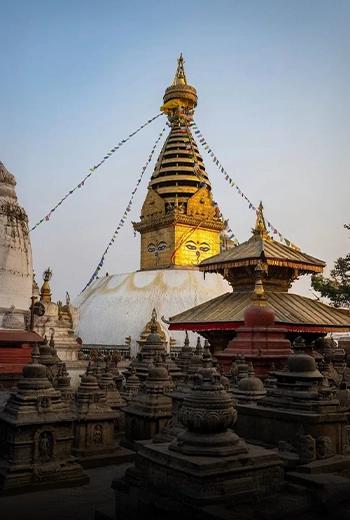
Hot and dry summers in cities like Tehran record daytime temperatures between 30°C and 40°C, with strong sunshine and low humidity.

Remember

carry light, breathable clothes, sun protection and comfortable wear. Keep yourself hydrated during the summer months

Winter Season

Winter Season

December-February

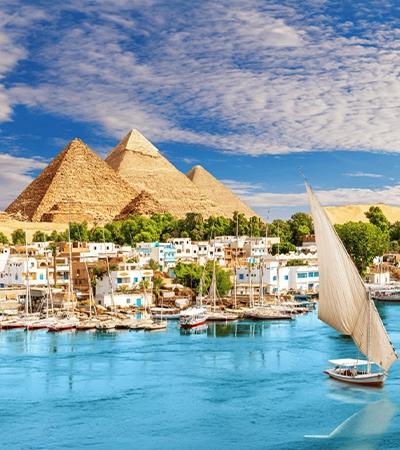
Winters are cold, with average temperatures close to or below freezing. Occasional snowfall or icy conditions, especially in northern and higher latitudes.
Practical Tips

invest in warm jackets, gloves, scarves, and durable clothing with quality footwear to move safely between different places.

Iran at a Glance: Key Information

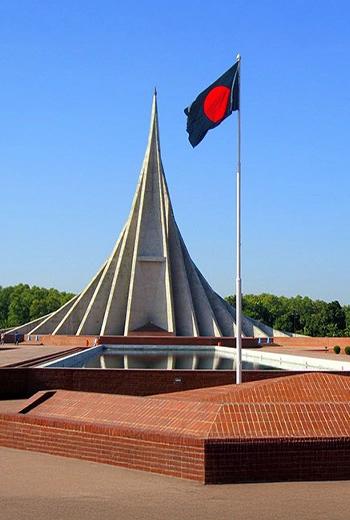
Iran is known for its rich Persian cultural heritage with diverse landscapes and an increasingly recognised higher education sector.
Capital

Capital

Tehran

Currency

Currency

Iranian Rial (IRR)

Religion

Religion

Islam, Christianity, Judaism, Zoroastrianism

Language

Language

Farsi (Persian), Azeri, Kurdish, English (urban settings)

Population

Population

93.16 million (est. in 2026)

Head of State

Head of State

Mojtaba Khamenei (Supreme Leader), Masoud Pezeshkian (President)

Scholarships
for Pursuing an MBBS in Iran

MBBS in Iran scholarships for Indian students are limited in availability, but some medical universities and Iranian authorities offer partial tuition discounts and financial aid to academically qualified international students. Indian students can also explore Indian government scholarship programmes and private scholarships, as per the eligibility criteria.

Government Scholarships

Government Scholarships

  • Scholarships from the Ministry of Health & Medical Education in Iran
  • Bilateral Scholarships by the embassy (Cultural Wing of the Iranian Embassy in New Delhi)

University Scholarships

University Scholarships

  • Relief Scholarship (Tehran University of Medical Sciences)
  • Shiraz University Scholarships (Type A, B, C)
  • International Grants and Financial Aid (SBUMS and Kish International Campus)

Other Scholarships

Other Scholarships

  • Unnathi Scholarship (Kerala)
  • Scholarship Program for Muslim Communities (SPMC from the Islamic Development Bank)

Education Loan for Studying an MBBS in Iran

Given the limited availability of scholarships for an MBBS in Iran, Indian students and their parents can perhaps rely on educational loans to fund their higher education needs. Two options are available – secure and unsecured loans. Both are available, but read the documents carefully and learn more about them before applying.

Documentation

Documentation

  • KYC Documents of Student and Co-Applicants (Aadhaar Card, PAN Card)

  • Admission/Offer Letter from the Iranian Medical University

  • Academic Records (10th & 12th Mark Sheets, NEET Scorecard)

  • Income Proof of Parents or Sponsors (Form 16, Bank Statement)

  • Collateral Documents for Secured Loans (as applicable)

Financial Institutions

Financial Institutions

  • State Bank of India

  • Bank of Baroda

  • HDFC Bank

  • ICICI Bank

  • Axis Bank

  • Avanse Financial Services

  • InCred

  • Auxilo

Coverage

Coverage

  • Tuition Fees (Partial or Full)

  • Hostel or Housing Charges

  • Visa and Insurance Charges

  • Local Living Expenses

  • Cost for One-time Air Travel

  • Academic Costs (Exams, Library, Equipment)

  • Fees for Document Processing

Career Opportunities After Completion of an MBBS in Iran

Graduates from recognised and accredited medical universities in Iran can pursue their clinical careers in India, Iran, or other countries. Regardless of the chosen career path, graduates must comply with the regulations and requirements of the respective country. Here are examples of career opportunities for Indian medical graduates in India and Iran:

Practice in India
Practice in India

Practice in India

Clear the medical licensing exam FMGE/NEXT Exam, complete an internship, and register to practise in India

  • Junior Doctor in Private Hospitals & Clinics
  • Work in Telemedicine & Healthcare Startups
  • Prepare for Postgraduate Education (MD/MS)
  • Academic or Coaching Roles in the Education Sector
Practise in Iran
Practise in Iran

Practise in Iran

Pass the national board examination and obtain a licence from the Iranian Medical Council.

  • Clinical Roles in Public or Private Hospitals
  • Positions in Public Health or Research Projects
  • Collaborate With International Organisations
  • Residency or Speciality Training in Medical Centres

How Can Education Vibes Help You Study MBBS in Iran?

Education Vibes supports Indian students to pursue their higher education in foreign countries and make their MBBS abroad dreams a reality. In particular with Iran, our experts ensure that you make informed decisions based on the realistic parameters and help you with the entire process to get admission in recognised and accredited institutions.

Transparent Information and Ethical Guidance

Transparent Information and Ethical Guidance

Our country experts explain both the advantages and challenges associated with pursuing an MBBS in Iran, including the medium of instruction, recognition conditions, fees, and geopolitical context. Our counsellors help you compare Iran with other countries so you can make an informed decision.

Counselling and Shortlisting Process

Counselling and Shortlisting Process

The counsellors ensure that you are fully informed and aware of what it entails when choosing to pursue overseas education. They review your academic records, NEET scores, budget, language proficiency, and career goals to suggest relevant Iranian universities and the course of action.

Application and Documentation Support

Application and Documentation Support

Our team helps with the entire application process, including filling out university application forms, preparing and gathering the necessary documents, arranging notarisation and apostille, and matching any other specific requirements of universities and the government (from both India and Iran).

End-to-End Assistance With Visa and More

End-to-End Assistance With Visa and More

We have experts in our team to help in facilitating the entire visa process who ensure that you get your sticker visa on time. Our team also provide you with pre-departure briefings and necessary resources like a forex card to ensure a smooth transition.

Arrangements for Accommodation and Travel

Arrangements for Accommodation and Travel

Our team also provides guidance and assistance to find suitable accommodation. We help you find university hostels and private housing options while ensuring that you know the pros and cons of specific accommodations. We will also book flight tickets on your behalf.

Post-Sales Services to Support Your Goals

Post-Sales Services to Support Your Goals

Our support services go beyond admissions by providing you with the required assistance. We remain available to answer any questions you may have after arriving in your study destination. We help you to have a comfortable stay for a focused study experience.

Frequently asked Questions

Iran can be a good option for Indian students to study MBBS abroad, as it offers them a structured medical education, strong clinical exposure, affordable tuition fees, and familiar cultural values.

The validity of an Iranian medical degree will entirely depend on the National Medical Commission (NMC), the single medical authority for academic and professional conduct in India. A medical degree will be considered valid only if it meets the guidelines informed by the NMC in the “Gazette of India”.

The overall duration of an MBBS in Iran is 7 years, which can vary depending on the particular university and its curriculum structure. The MD programmes (equivalent to an MBBS in India) are generally 6-7 years long, covering four main phases: basic medical sciences (1.5-2 years), physiopathology (1 year), externship/clerkship (2 years), and the final clinical internship (1-1.5 years).

Fully English-taught medical programmes are available in Iran, but are very rare and limited. Some universities offer English-medium or bilingual tracks for international students, but Persian is widely accepted, especially in hospitals during the clinical years. This can create a sense of ambiguity regarding the NMC compliance and practising in India after graduation.

MBBS in Iran fees generally range from $4,000 to $7,500 per year (₹3.73 lakh - ₹6.99 lakh), with the overall cost for the 7-year duration ranging from $28,000 to $52,500 (₹26.12 lakh - ₹48.97 lakh).

Yes, Indian students can study MBBS in Iran, joining the other 3,000 (approximate) Indian students who are pursuing their medical studies in Iranian medical institutions. There are absolutely no restrictions on Indian candidates for pursuing their higher education in Iran.

No, Iranian universities do not require students to submit their NEET scores for admission to their medical programmes. However, Indian students require a NEET-UG qualification if they plan to return to India and practise after graduation. The NEET scores remain valid for three years after the result date.

It is generally safe to study medicine in Iran, as many other students from India report favourable conditions for them in their respective locations. However, safety conditions can change due to any regional or geopolitical factors. Students are advised to closely follow the updates and instructions from the embassy and keep in touch with the Indian government through the MADAD portal.

Iran can be a suitable option for you if you seek strong clinical experience and a structured curriculum on affordable healthcare. Additionally, if you can manage learning the Persian language and manage the longer duration of stay (about 7 years) in Iran, you can choose to study MBBS in Iran.

Estimates suggest that Indian students can expect to spend $300-$1,500 per month, which translates to ₹27,734-₹1,38,671 per month in Indian currency (as per the prevailing current exchange rate in March 2026). Currency exchange rates offer a special advantage to Indian students as immigrants in Iran, as the high inflation rates do not significantly impact their day-to-day living expenses.

Subscribe Our Newsletter

Stay updated with the latest news and exclusive content by subscribing to our newsletter