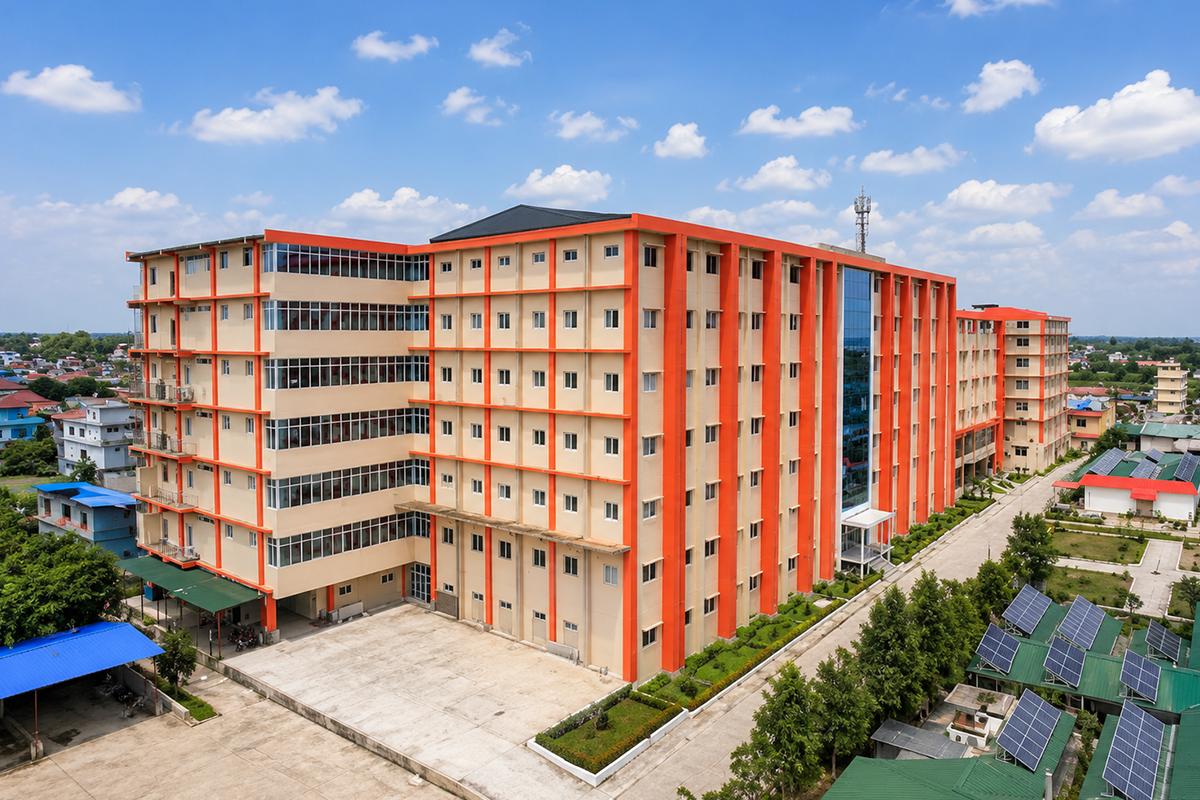
Birat Medical College

Founded:
2014

Country:
Nepal
Fulfil your dream of putting on the white coat from Birat Medical College, one of the top MBBS universities in Nepal.
Fulfil your dream of putting on the white coat from Birat Medical College, one of the top MBBS universities in Nepal.
Birat Medical
College

Founded
2014

Country
Nepal
Birat Medical College Overview
The Birat Medical College (BMC), a constituent college of Kathmandu University, started as an extension program of the college in the year 2014. Located at Tanki Shinwari, Biratnagar, the college has its roots firmly planted in a foundation of care that dates back to 1991. It was the start of an operation that today encompasses a modern 300-bed teaching hospital, 15 various departments all functioning under one roof and dedicated towards providing full medical care to all. Started by Dr Gyanendra Man Singh Karki, BMC strives on the principles of holistic health care in a fully coordinated manner, allowing the various departments to function in perfect harmony in treating a patient’s condition holistically. BMC believes that keeping its consultants updated is key to imparting the best possible education and medical care, and organises various seminars, conferences and training programs at both national and international levels so that knowledge can be shared and skills enhanced to keep pace with the changing world. BMC has a 148-strong and capable faculty force and has produced more than 310 well-trained and capable MBBS graduates for Nepal.
Quick Facts of Birat Medical College

University Type
Location
Established Year
Medium of Instruction
Why Choose Birat Medical College for MBBS?

Recognition & Accreditation
NMC Compliance (As Per Latest Guidelines)
Minimum duration
Mandatory Internship
Medium of Instruction
Mandatory Subjects
Validity of the Degree
Medical Screening
Our Commitment
Birat Medical College Fees Structure and Costs Breakdown
| Item | Amount | Amount in INR |
|---|---|---|
| Tuition Fee | $25,000 | ₹22,50,000 |
| Hostel Fee | $1,000 | ₹90,000 |
| Food | $556 | ₹50,000 |
| Total Value | $26,556 | ₹23,90,000 |

Free Eligibility Check
Birat Medical College Eligibility Criteria

Birat Medical College Admission Process

Free Counselling Session
Application Submission
Admission Confirmation
Document Legalisation
Flying to Nepal
Documents Required for Birat Medical College

10th & 12th mark sheet
NEET Scorecard
Original Passport
Passport-size photographs
HIV Report (Negative)
COVID-19 Report (Negative)
Birat Medical College MBBS Intakes

September Intake (Primary intake)
June - July
| Application Period | July - August |
|---|---|
| Application Processing | August - September |
| Pre-Departure | September - November |
MBBS Course Duration at Birat Medical College
1-2
Para-Clinical Phase
- ✓Anatomy
- ✓Physiology
- ✓Biochemistry
- ✓Community Medicine
3
Clinical Phase
- ✓Pathology
- ✓Pharmacology
- ✓Microbiology
- ✓Forensic Medicine
- ✓Community Medicine
4-5
- ✓General Medicine
- ✓General Surgery
- ✓Obstetrics & Gynaecology (OBG)
- ✓Paediatrics
- ✓Ophthalmology (Eye)
- ✓Otorhinolaryngology (ENT)

Curriculum Highlights
At Birat Medical College (BMC), Nepal, the MBBS program is of 5.5-year duration and its curriculum is established following a global medical curriculum. An integrated curriculum with inclusion of basic and clinical sciences, problem-based learning (PBL), and very early exposure to patients through rotating throughout the Birat Teaching Hospital of 500+ beds are the special features of BMC.
Top Universities in Nepal for MBBS
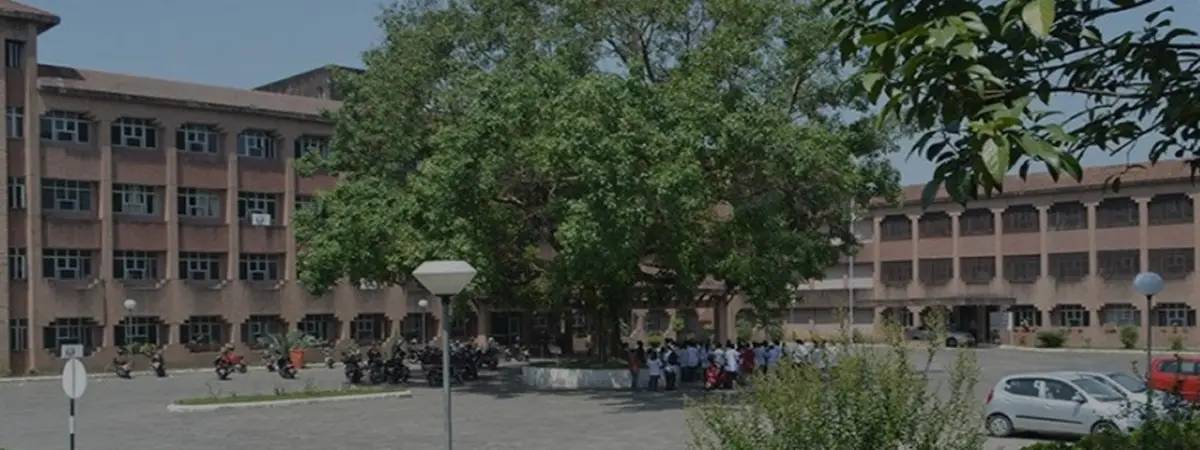
B.P. Koirala Institute of Health Sciences
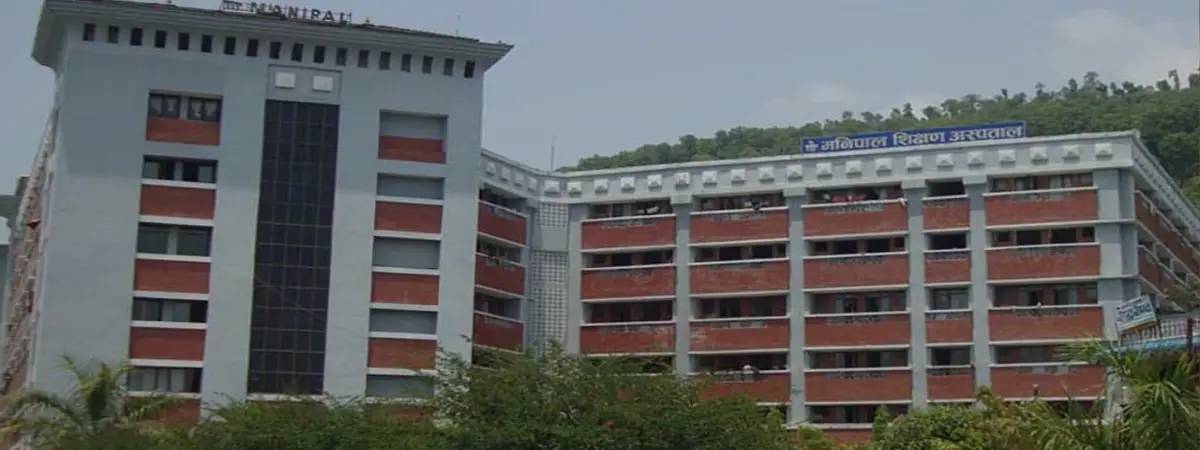
Manipal College of Medical Sciences
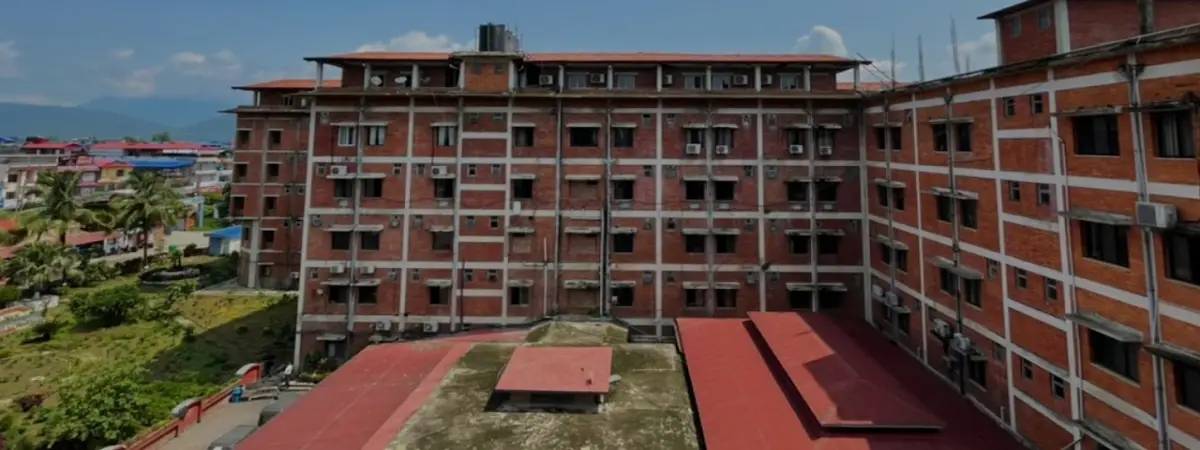
College of Medical Sciences
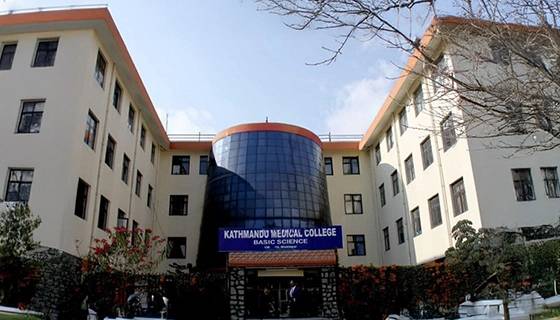
Kathmandu Medical College
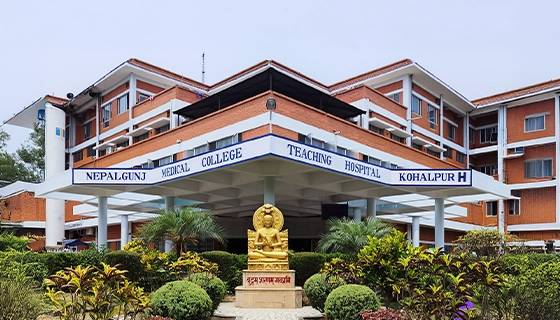
Nepalgunj Medical College
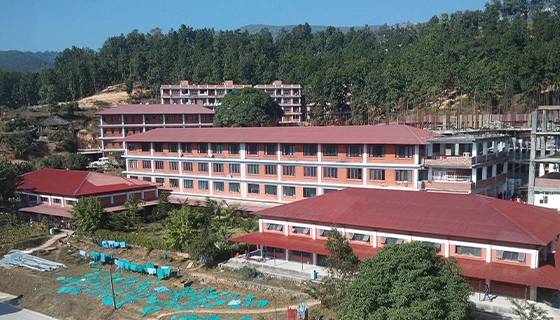
Lumbini Medical College
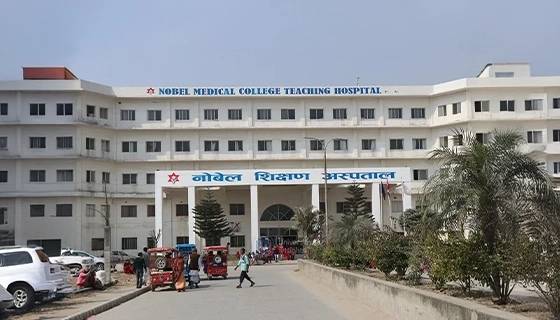
Nobel Medical College Teaching Hospital
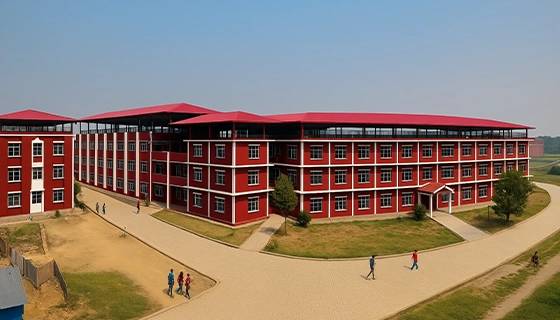
Devdaha Medical College
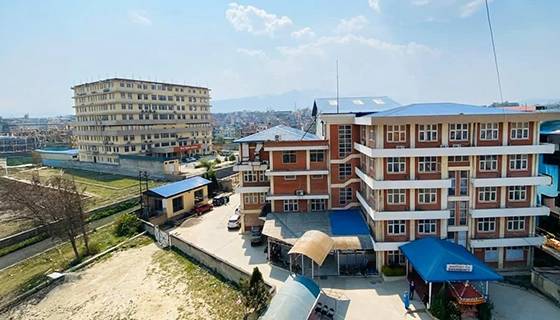
Kist Medical College
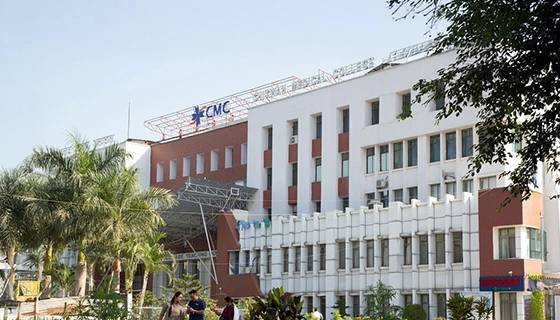
Chitwan Medical College
City At A Glance - Biratnagar
| Region | Morang District of Koshi Province in South-Eastern Nepal |
|---|---|
| Connectivity | The most preferred connectivity is Kathmandu Airport. If you want to travel to India, then you can use the road & the railways. Besides that, for international connectivity, travellers can use the nearest Bagdogra Airport in Siliguri. |
| Population | Approximately 257,714 |
| Attractions | Biratnagar Jute Mills, Kali Mandir (Dakshin Kali), Haat Bazaars, Koshi Tappu Wildlife Reserve, Biratnagar Metropolitan Gate, Ilam (Tea Gardens), Baraha Chhetra |
| Time Zone | GMT + 5:45 |
Hostel & Accommodation Facilities at Birat Medical College
Student Life at
Birat Medical College
Student life at Birat Medical College is multifaceted, weaving academic pursuits with cultural activities, co-curricular involvement, clinical exposure, and an environment that facilitates holistic personal and professional development.
Accommodation & Campus Life
Academic & Study Resources
Sports, Culture & Recreation
Social Life & Community
Challenges & Realities
Student Testimonials
Rayoti Sharma
Birat Medical CollegeAbhishek Banka
Birat Medical CollegeHimanshu Kohli
Birat Medical CollegeKavita Sethi
Birat Medical CollegeBibhuti Raj
Birat Medical CollegeWeather and Climate at Birat Medical College
The weather in Biratnagar, Nepal, is tropical monsoon, which means it is hot and humid throughout the year, has cold dry winters, and an intense and humid monsoon season between the months of July and October. High temperatures reach 102°F (38.9°C) or higher in May, and winter averages remain low around 52°F (11.1°C).
Summer
March to June The climate in Biratnagar can be described as humid subtropical with hot summers, mild winters and heavy monsoon. The summers peak at over 35C, and the winters are mild and temperate. Heavy monsoon from June to September creates a luxuriance of greenery. In summers, drink plenty of water, wear comfortable clothes and try to stay out of the midday sun. Do indoor activities, visit shaded parks during the morning and evening hours, and eat refreshing fruits, juices and foods.
Winter
November to February The winter in Biratnagar is quite mild. The temperature in the winter season can range between 10°C and 20°C. The weather is completely dry and suitable for trekking, excursions and daily work, as it is neither excessively hot nor cold. Take a leisurely walk outdoors, visit the bustling local markets, dress in layers of light warmth, enjoy hot meals, and try the local food and social culture.
Career Opportunities After Studying MBBS from Birat Medical College
Practise in India
Once the student cracks FMGE/NExT, he/she is eligible for a secure career in the Indian healthcare system.
- Work as a registered doctor in public/private sector hospitals
- Prepare for NEET-PG for pursuing MD/MS (Higher studies)
- Opt for the defence sector of healthcare
- Serve rural healthcare development
Practise in Nepal
Upon completion of your MBBS at Birat Medical College (Nepal Medical Council approved; affiliated with Kathmandu University), your direct career options in Nepal are as follows:
- Working as a Medical Officer in hospitals
- Entering academics/research
- Pursuing postgraduate (MD/MS) studies
- Working in public health
Global Career Opportunities
It opens up global career scopes such as the UK, USA, Canada, Australia or UAE.
- You can pursue your medical career in the USA through USMLE
- Medical career in Australia after clearing AMC exam
- Medical license for practising in the UK by clearing PLAB/UKMLA
- DHA/MOH for licensed doctor practice in UAE or Qatar
Explore Industries
There are a number of job prospects in various industries that can be explored by medical graduates.
- Work in the pharmaceutical industry
- Join as a telemedicine consultant
- Work in a health insurance company
- Work in the healthcare IT sector