X
+91

Overview

Overview

Pursuing an MBBS in UK for Indian students has become a unique experience and a special opportunity to enter a globally recognised and respected healthcare system – the National Health Service (NHS). With a duration of 5-6 years, an MBBS program (often termed as MBChB by the UK universities), the medical programs in the UK provide students with a structured and standardised curriculum, incorporating research-based high-value inputs. Medical education is regulated by the Quality Assurance Agency for Higher Education (QAA) and the General Medical Council (GMC), which ensures that all students receive proper clinical training that is both ethical and competently delivered.

According to the UK’s Higher Education Statistics Agency (HESA), along with the early 2026 reports from the UK's General Medical Council (GMC), it indicates that approximately 1,400 to 1,800 Indian medical students are enrolled in the 5-year medical programs across different universities, with roughly 250-350 Indian students enrolling in UK medical schools every year. The UK government has capped the number of medical seats for international students; only 7.5% of total seats (9,500-10,000) are available for non-UK students.

Despite the limited medical seats across the UK’s medical schools, India is the largest contributor to its international student population in undergraduate medical programs, closely behind China (2024-25 academic year). The MBChB qualification (equivalent to MBBS in India) enables Indian students to pursue their clinical practice as a doctor in the UK and across other Commonwealth countries. Students who pursue their MBBS abroad in the UK universities have an exemption from the National Medical Commission (NMC) in India for the medical screening test for registration, considering their degrees grant them the authority to work as medical practitioners in the United Kingdom.

Yearly Expense Image

Yearly Fees

1.4 Lakh GBP

Admission Criteria

Admission Criteria

NEET Qualified

Indian Students

Indian Students

26,685+ (2019)

FMGE Passing Rate

FMGE %

10.61%

Medium of study

Medium of study

English

future

MBBS Duration

5 + 1 Years

Why an MBBS in UK?

Why MBBS ?

Pursuing an MBBS in UK offers Indian students a globally recognised and respected medical education. It is regulated by the General Medical Council (GMC), the core accrediting body for medical conduct in the UK, and the Quality Assurance Agency for Higher Education (QAA), an independent regulatory body that monitors and advises higher education and academic standards across all UK universities.

  • Shorter Duration Than Other Countries Many other European countries and the USA have longer MBBS programs, sometimes reaching a total duration of 10 years to get their respective medical degrees. The overall duration of an MBBS in UK is 6-7 years.
  • Globally Recognised Healthcare The National Health Service (NHS) is one of the world’s most respected and recognised healthcare systems. Students receive medical education in this healthcare system and gain clinical experience at its hospitals (affiliated with their respective university).
  • NHS-Affiliated Clinical Exposure Students get early access to clinical experience at the NHS hospitals, right from the third year of their medical program. This early clinical exposure helps students to develop practical clinical skills and patient treatment etiquette, even before their clinical career.


Research-Based Learning Many UK medical schools are affiliated with research-intensive institutions (such as the Russell Group), known for their contributions to global medical research and teaching standards. Students access cutting-edge laboratories and learn about clinical research and medical breakthroughs.

Structured Foundation Training After graduation, students enter a 2-year foundation program (combining FY1 and FY2). This structured foundation provides students with a paid clinical experience while continuing to complete their MBBS in UK with a 12-month mandatory internship, as per the NMC rules.

High Earning Potential Students who enter the NHS-affiliated hospitals receive the monetary benefits of having structured pay scales and job benefits. As medical degrees in the UK are globally recognised, students can pursue any career path, whether nationally (in India) or internationally.

MBBS in UK - Ranked Universities

Universities

MBBS in UK Eligibility

Eligibility & Admission Process
  • Academic Background Applicants must have completed 10+2 with physics, chemistry and biology as core subjects; some universities might require English as a compulsory subject.
  • Academic Qualifications Indian medical candidates must have a minimum of 80-90% in their 12th (or higher for top-tier UK universities), aligning with UK A-level standards.
  • Age Limit Several UK universities require students to be at least 18 years old before beginning the clinical training. Considering the timeframe is important here.

Documents Required

Documents
Document requried 10th & 12th Mark Sheets

10th & 12th Mark Sheets

Document requried NEET-UG Scorecard (3 years' validity)

NEET-UG Scorecard (3 years' validity)

Document requried UCAT Score Report

UCAT Score Report

Document requried Certificates (PCC, Medical Fitness)

Certificates (PCC, Medical Fitness)

Document requried Valid Passport (minimum 6 months' validity)

Valid Passport (minimum 6 months' validity)

Document requried Passport-sized Photographs (as per UK visa specifi

Passport-sized Photographs (as per UK visa specifi

Document requried English Proficiency Certificate (IELTS/TOEFL/PTE)

English Proficiency Certificate (IELTS/TOEFL/PTE)

Document requried SOP/Motivation Letter

SOP/Motivation Letter

Document requried Letters of Recommendation

Letters of Recommendation

Document requried Work Experience/Volunteering Certificate

Work Experience/Volunteering Certificate

Document requried Financial Documents (proof of sufficient funds)

Financial Documents (proof of sufficient funds)

Document requried Confirmation of Acceptance for Studies (CAS)

Confirmation of Acceptance for Studies (CAS)

Document requried Admission/Invitation Letter

Admission/Invitation Letter

MBBS in UK Admission Process 2025-2026

  • NEET Qualification The NEET-UG qualification is mandatory for Indian students who want to practice medicine back in India after completing their MBBS in UK.
  • Entrance Examination Clear the University Clinical Aptitude Test (UCAT) for admission into medicine programs in the UK. Passing the test is mandatory; top-tier universities require high UCAT scores.
  • Proof of Required Information All international students must show their English language proficiency and relevant volunteer experience in medical settings, as required by the chosen UK university.
  • Documentation All documents must be apostilled by the Ministry of External Affairs (MEA) in India to verify the authenticity of all required documents.

Cost of MBBS in UK

Cost

The main goal of studying overseas is to obtain an inexpensive MBBS in UK. MBBS fees in UK are affordable compared to private universities and institutes in wealthy nations like India. The following is an estimate of the cost of pursuing an MBBS in UK:

Type of Expense Approx. Cost (in GBP) Approx. Cost in (INR)
Tuition fee per year 52000.00 6089891
Living & Accommodation 15000.00 1756699
Mess & Food 3000.00 351339
Visa & Medical Insurance 490.00 57385
Total Expense 70490 8255314

Study MBBS in UK vs MBBS in India

Comparison
MBBS in UK MBBS in India
The MBBS fees in the UK start at an affordable rate of 1.4 Lakh GBP. The Medical College of India It's not easy to keep track of costs that range from INR 50/- lakh to INR 1/- crore.
To pursue MBBS in the UK, candidates must pass the NEET Exam, which is part of the admissions procedure. To be accepted into medical school in India, you need to do well in the National Eligibility and Entrance Test (NEET).
The UK's environment and culture are conducive to the well-being of MBBS students. In India, education emphasizes a comprehensive familiarity with the nation's past, present, and future.
The United Kingdom (UK) offers the MBBS degree at a number of government-funded medical schools. Competition and enrollment caps mean that only a small fraction of applicants to government universities can be accepted.
In UK, you can earn an MBBS degree from one of several reputable universities. Medical schools in India have been recognized by the National Medical Council (NMC), commonly known as the Medical Council of India.
MBBS in the UK follows strict schedules and adheres to consistent patterns. Training that stresses adaptable routines.

Students Testimonials

Testimonial

Our Take on UK

Our Take

Ask anything and get free counselling

question

UK at Glance

Glance

UK can be found in northwest Europe. London, the capital of the United Kingdom, is the global economic and financial center. It has made major contributions to international economic growth, especially in the fields of technology and industry. It dominates the country as the primary hub for all forms of literature, theater, film, and television. It participates in both NATO and the European Union as a full member. The weather in the UK is the result of the Earth's atmosphere. In the month of January, there is a north-to-south temperature gradient of 4° Celsius. In southwestern England, annual temperatures average between 8° & 11° celsius.

Capital

Capital

London

Currency

Currency

Pound Sterling (£GBP)

Religions

Religion

Christianity

languages spoken

Language

British English

Population

Population

6.73 Cr

Head of state

Head of state

Prime Minister (Rishi Sunak) Appointed by Monarch of the United Kingdom (Charles III)

Cuisine

Cuisine

Full breakfast, roast dinner, fish and chips, shepherd's pie trifle, scones, apple pie, and Victoria

major cities

Major Cities

London, Birmingham, Glasgow, Liverpool, Bristol, Manchester, and Sheffield Leeds.

Frequently Asked Questions

FAQs

Yes, the UK government allows international students to work up to 20 hours per week during their term time and full-time during holidays. However, medical students should remember that their chosen discipline requires intensive academic and training schedules while ensuring neither study requirements nor clinical placements are disrupted. This will leave them very limited time for part-time work, but they can consider applying for a temporary part-time role during vacations.

The University Clinical Aptitude Test (UCAT) is a computer-based aptitude test for all students who seek admission to undergraduate medical programs at certain UK universities. This test evaluates the cognitive abilities, critical thinking, situational awareness, and problem-solving skills of a medical candidate. Higher UCAT scores increase the chances of success during the interview process; however, there is no official UCAT cutoff for students.

UK universities do not require the NEET qualification from Indian students for medical admissions, since they have their own entrance examination (for most UK universities). However, Indian MBBS aspirants should remember that having a NEET-UG qualification is mandatory for practicing medicine in India, as per a rule from the National Medical Commission (NMC).

Yes, earning UK MBBS degrees from GMC-recognised universities is valid in India, as long as the particular university awarding the degree is compliant with the guidelines of the National Medical Commission (NMC) in India. To practice medicine in India after graduating from a UK medical school, Indian students must ensure that their university is listed in the World Directory of Medical Schools (WDOMS); they have completed the entire 5-6 year program, followed by at least 12 months of a foundation program (FY1); and they verify if an exemption regarding medical screening tests in India for certain countries (including the UK) exists or not, as per the NMC rules.

The cost of an MBBS in UK varies according to the particular university and the location where the students live during their course of study. Tuition fees at UK universities for medical programs range from £30,000 to £60,000 per year, converted to ₹36.9-₹73.9 lakh (as per the current exchange rate) for the pre-clinical years only. In clinical years (years 3-5), tuition fees can range from £48,000 to £70,000 per year, converted to ₹58.6-₹85.5 lakh. The overall cost of tuition fees for a 5-year medical program is approximately £190,000-£280,000 (₹2-3 crores). Additionally, students should also consider living expenses ranging from £1,000 to £2,000 per month, converted to ₹1.23-₹2.46 lakh (as per the exchange rate in March 2026).

The duration of an MBBS (referred to as MBChB in UK universities) program is 5-6 years. The exact duration of the course depends on the particular university and its curriculum. After completion of their medical degree, Indian graduates must enter into a 2-year mandatory Foundation Program (FY1 and FY2) to obtain full GMC registration and a valid licence to practice medicine in the UK. Even if one wants to practice medicine in India, they must clear the 12-month (FY1) of the mandatory Foundation Program to be eligible for medical registration in India, as per the NMC guidelines. The total duration from starting to full GMC registration is approximately 7-8 years.

Studying in the UK with a ₹10 lakh budget is neither realistic nor legally feasible for Indian students. The average tuition fees for a UK medical school to pursue medical programs (MBChB) cost between £30,000 and £60,000 per year. This amount is only for pre-clinical years, which increases in the later “clinical years” phase of the course. In Indian currency, this cost translates into ₹36.9-₹73.9 lakh per year, as per the current exchange rate (March 2026). Furthermore, this amount does not include the minimum financial requirement set by the UK Home Office to grant a “Student Visa” to international students.

Indian students can find several accommodation options to study an MBBS in UK. The first is university halls of residence (recommended for first-year students), which come with fully furnished rooms and all basic amenities required for a comfortable living. Another option is getting private student accommodation, which is purpose-built student housing, providing all the modern amenities and all-inclusive rent. Third but not least, students can also rent private accommodation anywhere in the UK, sharing it with their friends. These give them more independence, but managing bills can be difficult, depending on whether one lives inside or outside London.

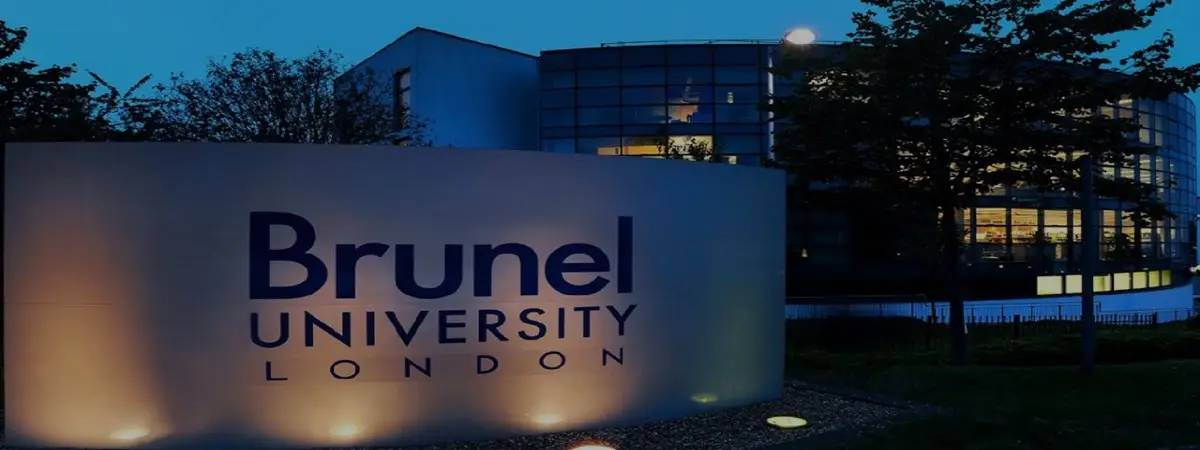
Scholarships available for an MBBS in UK are limited compared to postgraduate and PhD programs. Most UK universities and the government offer scholarships for master’s and PhD programs, but Indian students will find some notable exceptions, like GREAT Scholarships or university-sponsored scholarships (London School of Hygiene & Tropical Medicine, Imperial College London, King’s College London, and Brunel University London).

After completing an MBBS in UK, all graduates (including international students) must enter the Foundation Program (FY1 and FY2), which lasts for 2 years. It helps in the full registration with the General Medical Council (GMC) and getting a medical licence to practise medicine in the UK. The Foundation Program offers paid employment within the NHS, with an earning potential of approximately £32,000-£40,000 per year, with annual increments. Other career opportunities for medical practice in the UK include working in the private sector by joining private hospitals or clinics, establishing your own clinic, entering the academic medical and healthcare research fields, or working as a “locum doctor”, which allows graduates to work in hospitals or clinics with temporary working hours.

EducationVibes

EducationVibes
Hi👋

How can I help you?
6:08 PM
×