Table of Contents
An Overview of the Climate in Russia
Scroll HereRegional Differences at a Glance
Scroll HereWhat Exactly Is the Climate in Russia?
Scroll HereClimate and Temperature in Russia: A Guide for Indian Students
Scroll HereThe Diverse Regional Climates in Russia
Scroll HereFour Seasons in Russia
Scroll HereSummer in Russia (June to August)
Scroll HereAutumn in Russia (September to November)
Scroll HereWinter in Russia (December to February)
Scroll HereSpring in Russia (March to May)
Scroll HereAverage Temperature in Russia: City-by-City Table
Scroll HereHow Does the Climate in Russia Affect Indian Students?
Scroll HereClothing
Scroll HereTravel and Transportation
Scroll HereIndoor Heating
Scroll HereWhat Indian Medical Students Should Keep in Mind
Scroll HereIs Russia's Climate Changing?
Scroll HereBest Time to Visit Russia
Scroll HereClimate in Russia: Frequently Asked Questions
Scroll HereIs Russia cold all year round?
Scroll HereWhich is the coldest region of Russia?
Scroll HereDoes Russia have four seasons?
Scroll HereIs Moscow colder than Siberia?
Scroll HereIs summer hot in Russia?
Scroll HereWhat is the weather in Russia in September?
Scroll HereWhat is the climate in Russia in May?
Scroll HereWhat should Indian students wear during a Russian winter?
Scroll HereIs the cold in Russia a problem for Indian MBBS students?
Scroll HereRussia is often imagined as a land of extreme winters, frozen rivers and endless snow. That picture is only half the story. The climate in Russia is cold across most of the country, but Russia is also the world's largest nation — stretching from Eastern Europe across Siberia to the Pacific Ocean and the Arctic — so the temperature in Russia changes dramatically from one region to another.
This guide breaks down Russia's seasons, regional weather patterns, average temperatures city by city, and what all of it means in practice if you are travelling there or planning to study MBBS in Russia.
An Overview of the Climate in Russia
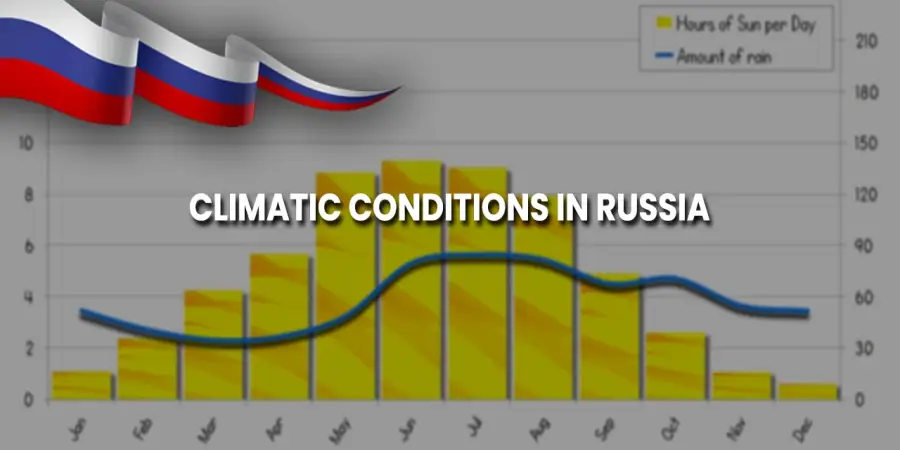
Russia mainly has a humid continental and subarctic climate. The country experiences long, freezing winters and warm to hot summers, with a very wide gap between the two.
- Winter in Russia: Temperatures often drop below −30°C in northern and eastern areas, and heavy snowfall is common across most of the country.
- Summer in Russia: The weather turns warm to hot, with most regions rising above 20°C and southern cities crossing 30°C.
Regional Differences at a Glance
- Siberia: Home to some of the coldest winters on the planet, with extreme frost and permafrost, followed by short but genuinely warm summers.
- Central Russia and Moscow: A humid continental climate with cold, snowy winters and mild, pleasant summers.
- The South: The Black Sea belt has a milder, near-subtropical climate with warm summers and comparatively gentle winters.
If you are an expat, a traveller or an international student planning to study MBBS abroad, these regional differences matter far more than any single national average. The sections below cover the seasons, rainfall and practical weather considerations month by month.
What Exactly Is the Climate in Russia?
Russia is a cold country with a strongly continental climate, especially across its vast interior. Most of the landmass sits far from any warming ocean, which is why the difference between winter and summer temperatures is so large. Within that broad pattern, Russia still contains Arctic, subarctic, humid continental and subtropical zones.
For an Indian medical aspirant, the practical question is narrower: what does the weather actually feel like in the cities where the top medical universities are located? That is what the next section answers.
Climate and Temperature in Russia: A Guide for Indian Students
Russia is a leading destination for Indian medical aspirants who want a globally recognised degree at an affordable cost. Once the decision is made, the first question is almost always the same: will I be able to handle Russia's cold?
The honest answer is yes — provided you choose your city with open eyes. Just as India's climate varies from Chennai to Leh, Russia's weather varies enormously from Sochi to Yakutsk. Here is what students raised in India's warmth need to know.
The Diverse Regional Climates in Russia
- Central and Western Russia: The two main hubs for international medical students, covering Moscow, St. Petersburg, Kazan and Kursk. Winter temperatures sit between −5°C and −15°C, while summers range from 20°C to 25°C. St. Petersburg is damper and more humid than the rest.
- Black Sea Coast (Sochi and Crimea): The gentlest option if the cold worries you. Crimea Federal University in Simferopol sits in this belt, where the sea keeps winters mild and makes the adjustment from India easiest.
- Siberia: A region of extremes, swinging from around −30°C in winter to 30°C+ in summer. Despite that, it hosts respected medical schools such as Altai State Medical University and Kemerovo State Medical University.
- Russian Far East: Located near the Pacific Ocean and known for severe winters and rapid weather shifts.
- Northern Russia: An Arctic climate with ice cover and bone-chilling cold for most of the year. Indian medical aspirants generally avoid these regions.
One thing that surprises most students: student hostels, classrooms, shopping centres and public transport all run high-capacity central heating. Indoor life in Russia is warm and comfortable even when it is −20°C outside. Read more about the cost of living in Russia to see how heating, food and accommodation add up.
Four Seasons in Russia
Russia experiences all four seasons, though their length and intensity depend heavily on the region.
Summer in Russia (June to August)
Summer is genuinely beautiful. Major cities such as Moscow enjoy long, sunny days, and in the far north the sun barely sets — the phenomenon that gives St. Petersburg its famous White Nights. Daytime highs of 25°C to 30°C are normal in the south and centre.
Autumn in Russia (September to November)
Autumn is a season of transition. The weather in Russia in September stays pleasant, typically 10°C to 18°C in Moscow, before temperatures fall through October and the first snowfall arrives in November. Since most intakes begin in September, this is the season that gives new students time to acclimatise gradually rather than being thrown straight into winter.
Winter in Russia (December to February)
This is the Russia of the postcards: short days, deep snow cover and sub-zero temperatures almost everywhere. January is usually the coldest month.
Spring in Russia (March to May)
Nature wakes up as the ice melts. March still feels cold to Indian students, but the Russia climate in May turns pleasantly warm, with daytime temperatures of 15°C to 22°C in most university cities.
Average Temperature in Russia: City-by-City Table
The table below shows average seasonal temperatures in the Russian cities that attract the most Indian medical aspirants, along with the leading medical university in each.
| City | Top Medical University | Average Winter (Dec–Feb) | Average Summer (Jun–Aug) |
|---|---|---|---|
| Moscow | Pirogov Russian National Research Medical University | −5°C to −12°C | +18°C to +26°C |
| St. Petersburg | Pavlov University, Mechnikov North-Western State Medical University | −4°C to −10°C | +17°C to +23°C |
| Kazan | Kazan State Medical University, Kazan Federal University | −8°C to −15°C | +19°C to +27°C |
| Kursk | Kursk State Medical University | −5°C to −11°C | +18°C to +26°C |
| Rostov-on-Don | Rostov State Medical University | −2°C to −6°C | +22°C to +31°C |
| Simferopol (Crimea) | Crimea Federal University | +2°C to +8°C | +24°C to +30°C |
| Perm | Perm State Medical University | −12°C to −20°C | +17°C to +25°C |
| Ufa | Bashkir State Medical University | −11°C to −18°C | +18°C to +26°C |
| Tomsk | Siberian State Medical University | −15°C to −22°C | +17°C to +25°C |
| Kemerovo | Kemerovo State Medical University | −15°C to −25°C | +18°C to +27°C |
| Barnaul | Altai State Medical University | −13°C to −20°C | +19°C to +27°C |
| Arkhangelsk | Northern State Medical University | −10°C to −18°C | +14°C to +21°C |
Not sure which Russian city suits you? Compare universities, fees, intakes and NMC-recognised options on our MBBS in Russia page, or read our guide on how to select a university for MBBS in Russia before you apply.
How Does the Climate in Russia Affect Indian Students?
For students from warmer countries, winter is the single biggest adjustment. With the right preparation it is entirely manageable, and it comes down to three things: clothing, travel and indoor heating.
Clothing
Invest in a good insulated winter jacket, warm sweaters, gloves, a winter hat, thermal innerwear, thick socks, a scarf and insulated waterproof footwear. Layering matters more than bulk, because you will move constantly between −15°C streets and +22°C heated buildings. Our checklist of things to carry before flying to Russia covers this in detail.
Travel and Transportation
Walking, driving and commuting all take longer in winter, which is why universities are flexible about travel time during heavy snow and extreme cold. Metro systems in Moscow, St. Petersburg and Kazan run reliably through winter and are the easiest way to get around.
Indoor Heating
Russian buildings are designed for extreme winters, so indoor heating is excellent and hostels, lecture halls and libraries stay warm throughout the season. In practice, students spend most of the winter indoors in comfortable temperatures and only need full winter gear for the time they spend outside.
What Indian Medical Students Should Keep in Mind
- It does not snow everywhere, all the time. World Bank climate data shows temperatures across Russia vary widely. Snow is common in the northern, central and eastern parts during winter, but the amount, duration and timing differ sharply by region — and the Black Sea belt sees very little.
- Choose your medical school with the climate in mind. Before you confirm admission, check the average temperatures of that city through the year. Picking a comfortable region makes the whole six-year course easier. Start with our list of the top medical universities in Russia for Indian students.
- Pack the right clothes before you fly. Thermal wear, a windproof and waterproof down jacket, and good-quality snow boots are non-negotiable for your first winter.
- Plan your budget for winter. Warm clothing is a one-time expense most students underestimate. See our breakdown of how much it costs to study MBBS in Russia.
With a little preparation and awareness, adapting to the climate in Russia is straightforward. Just remember that a winter in Moscow is a very different experience from a winter in a Siberian city.
Is Russia's Climate Changing?
The World Bank's Climate Change Knowledge Portal publishes historical climate data for Russia showing long-term shifts in both temperature and precipitation. The picture is not static: the most pronounced changes are in Siberia and northern Russia, where rising temperatures are driving changes in rainfall patterns, permafrost thaw and related environmental risks.
World Bank assessments also identify warming trends across most Russian regions, with fewer frost days and more frequent heatwaves projected under future climate scenarios. The effects go beyond weather — thawing ground affects buildings, pipelines, roads and other infrastructure.
In other words, climate change in Russia is not simply a story about extreme cold. It is a story about how a shifting climate is reshaping the world's largest country.
Best Time to Visit Russia
The best time to visit Russia depends entirely on why you are going.
- For comfortable sightseeing: Late spring (May), summer (June to August) and early autumn (September) offer the mildest weather and the longest daylight hours.
- For snow and winter experiences: December through February delivers the classic Russian winter, complete with snow-covered squares and frozen landscapes.
- For international students: Your university's location matters more than the national climate. If you are arriving for the September intake, pack for autumn on arrival and for deep winter within two months.
Ready to take the next step? Education Vibes helps Indian students shortlist the right city and university, prepare documents and complete admission end to end. Explore MBBS in Russia or read the complete MBBS in Russia 2026 guide, then get in touch for a free counselling session.
Climate in Russia: Frequently Asked Questions
Is Russia cold all year round?
No. Russia is not cold all year. Most regions have genuinely warm summers, with temperatures crossing 25°C in June, July and August. Because of the country's enormous size, its climate is highly varied.
Which is the coldest region of Russia?
Northeastern Siberia is the coldest part of Russia. The Yakutia region records some of the lowest winter temperatures on Earth, regularly falling below −40°C.
Does Russia have four seasons?
Yes. Russia has four distinct seasons, most clearly in the central and western parts of the country, though the length and intensity of each season varies by region.
Is Moscow colder than Siberia?
No. Moscow has cold winters, typically −5°C to −12°C, but Siberian cities are far colder, often reaching −25°C or lower. Moscow is one of the milder options for international students.
Is summer hot in Russia?
Yes, in most regions. Summers are warm to hot, with southern cities such as Rostov-on-Don and Sochi crossing 30°C. Even parts of Siberia record high summer temperatures.
What is the weather in Russia in September?
September is early autumn. Moscow averages roughly 10°C to 18°C, with more rain than summer but no snow yet — comfortable conditions for students arriving for the autumn intake.
What is the climate in Russia in May?
May is late spring and one of the most pleasant months. Most university cities see 15°C to 22°C, with the snow fully melted and long daylight hours.
What should Indian students wear during a Russian winter?
Warm layered clothing: thermal innerwear, an insulated windproof and waterproof jacket, gloves, a woollen cap, a scarf, thick socks and insulated winter boots. Layering is essential because indoor spaces are heated to around 22°C.
Is the cold in Russia a problem for Indian MBBS students?
Rarely, after the first winter. Hostels, classrooms and transport are centrally heated, and most students adapt within one season. Choosing a milder city such as Simferopol, Rostov-on-Don or Moscow makes the transition easier still.WhatsApp AskWhatsApp Ask