Dai Nam University

Founded:
2007

Country:
Vietnam
Dai Nam University empowers future doctors through innovation, global standards, and practical excellence.
Dai Nam University empowers future doctors through innovation, global standards, and practical excellence.
Dai Nam
University

Founded
2007

Country
Vietnam
Dai Nam University Overview
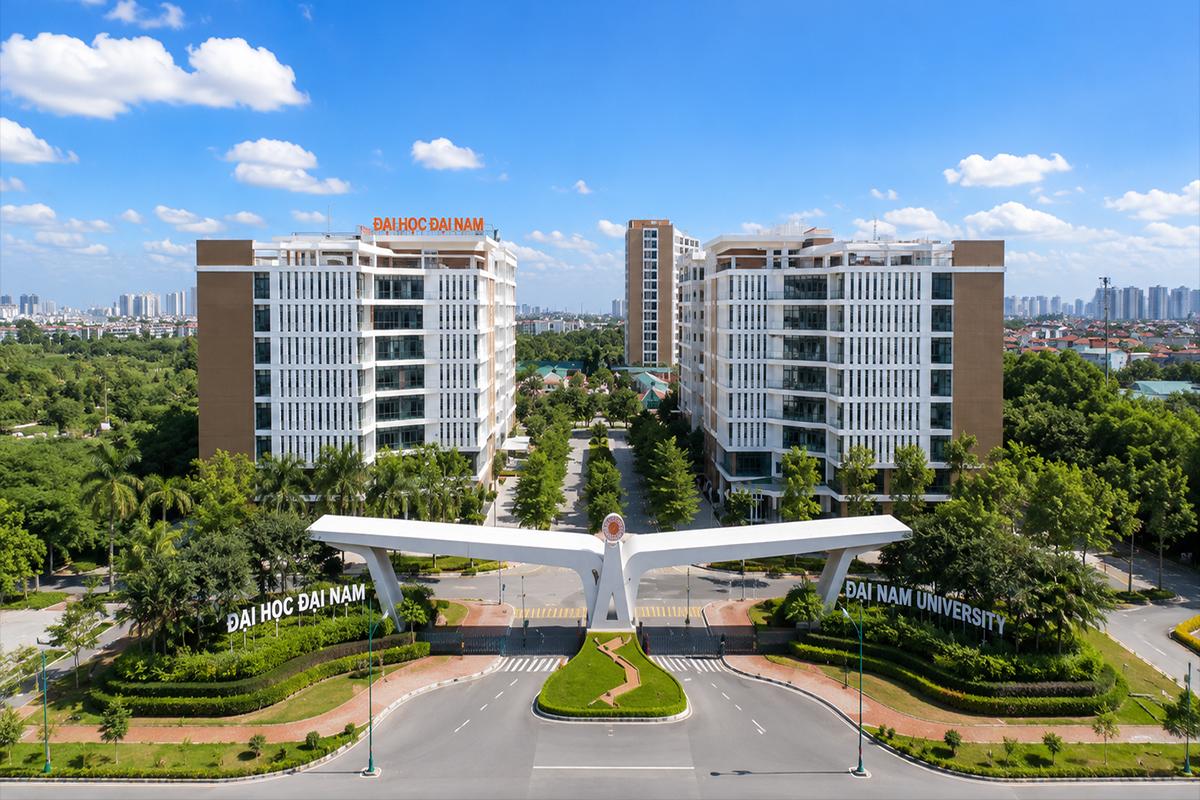
The largest private higher education establishment in Vietnam, Dai Nam University (DNU), was established in Ha Dong District, Hanoi, in 2007. All-inclusive programs (medicine, technology, business and social sciences) provided at DNU attract a lot of local and foreign students. DNU is licensed to organise training programmes by organisations such as WHO, NMC, FAIMER and ECFMG, and by the Vietnamese Ministry of Education and Training. By 2022, there will be 23 bachelor's degrees, 5 master's degrees, and 1 Ph. D-degree majors at DNU. The institution features a modern teaching methodology combined with excellent campus infrastructure, providing an ideal and motivating learning environment. DNU’s favourable teacher-student ratio of 13:1 allows individual care for its students. Close to 75% of staff are faculty, with 80–90% holding advanced degrees, and around one-third of them have doctoral qualifications. In terms of rankings, Dai Nam is consistently listed as one of the most popular higher learning institutions in the country and an optimal choice for students who wish to complete their MBBS in Vietnam.
Quick Facts of Dai Nam University

University Type
Location
Established Year
Medium of Instruction
Why Choose Dai Nam University for MBBS?

Minimum Duration
Medium of Instruction
Mandatory Subjects
Validity of the Degree
Mandatory Internship
Indian Screening Tests
Our Commitment
Dai Nam University Fees Structure and Costs Breakdown
| Item | Amount | Amount in INR |
|---|---|---|
| Tuition Fee | $3717 | ₹334502 |
| Hostel Fee | $818 | ₹73640 |
| OTC | $3000 | ₹270000 |
| Food | $1200 | ₹108000 |
| Medical Insurance | $100 | ₹9000 |
| Total Value | $8835 | ₹795150 |

Free Eligibility Check
Dai Nam University Eligibility Criteria

Dai Nam University Admission Process

Free Counselling Session
University Application Submission
Admission Confirmation
Document Legalisation
Visa Application Submission
Flying to Vietnam
Documents Required to Study MBBS at Dai Nam University

10th & 12th mark
Valid NEET Score
Original Passport
HIV Test Report
COVID-19 Test Report
Passport-size photographs
Dai Nam University MBBS intakes

September Intake
Primary Intake
| Application Timeline | June – July |
|---|---|
| Application Period | August - September |
| Visa & Pre-Departure | July – August |
| Application Processing | September - October |
Dai Nam University MBBS Course Duration and Structure
1-2
Pre-Clinical Years
- ✓Anatomy
- ✓Physiology
- ✓Biochemistry
- ✓Medical Terminology
- ✓Medical Biophysics
- ✓Histology
3-4
Para-clinical Years
- ✓Pathology
- ✓Pharmacology
- ✓Microbiology
- ✓Forensic Medicine
- ✓Medical Parasitology
- ✓Immunology
5-6
Clinical Years
- ✓Internal Medicine
- ✓General Surgery
- ✓Paediatrics
- ✓Obstetrics & Gynaecology
- ✓Orthopaedics
- ✓Ophthalmology

Curriculum Highlights
Dai Nam University curriculum combines theory and practice in the clinic, has a wide-open hospital for early contact, modern laboratories and chances of research to international standards. Students will be well-prepared to be doctors in global health.
Top Universities in Vietnam for MBBS

Can Tho University

Thai Binh University

Phan Chau Trinh University PCTU

Thai Nguyen Medical University

Hanoi Medical University

Ho Chi Minh City University
Hue University
Hai Phong University

Hong Bang International University

Vietnam Military Medical University
City At A Glance – Hanoi
| Region | The northern region of the country, within the fertile Red River Delta |
|---|---|
| Connectivity | Public city buses, a Metro station and an airport |
| Population | On average, 8.6 million people |
| Attractions | The historic Old Quarter, the tranquil Hoan Kiem Lake, and centuries-old temples |
| Time Zone | Indochina Time (ICT), GMT +7 |
Hostel & Accommodation Facilities at Dai Nam University
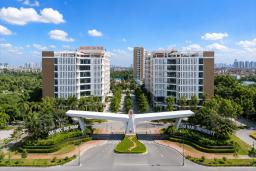
Student Life at
Dai Nam University
At Dai Nam University, students would find a healthy lifestyle, cultural differences, wonderful amenities, student organisations, excellent on-site accommodations, cosy dorms and a favourable learning environment.
Accommodation & Campus Life
Academic & Study Resources
Sports, Culture & Recreation
Social Life & Community
Challenges & Realities
Dipti Oberoi
Dai Nam UniversityPreeti Sharma
Dai Nam UniversityAnirban Dutta
Dai Nam UniversitySandeep Maheshwari
Dai Nam UniversityBipul Yadav
Dai Nam UniversityWeather and Climate
Hanoi experiences a humid subtropical climate; summers are hot and wet between May and September, and winters are cool and dry between November and February. The spring and autumn seasons are mild.
Summer
May to September Summer in Hanoi is often humid and rainy, as temperatures average 35°C, with a few light showers and thunderstorms throughout. Students can spend the summer visiting coffee shops, relaxing in the parks and going to various cultural attractions. Students can stay hydrated and wear light clothes, also having indoor activities available for the hotter days.
Winter
November to February Winter in Hanoi is cool, dry, and often foggy. It reaches about 10°C in the coldest months and about 20°C in the mildest winter months. The cool and quiet weather makes this one of Hanoi's most pleasant seasons. There is plenty for students to do to make the most of winter, including visiting local markets, sampling street food, layering up warm clothes, visiting tourist attractions and walking outdoors in the cool weather.
Career Opportunities After Studying at Dai Nam University
Practise in India
Upon qualification from FMGE/NExT and internship training, students are ready for their career in India:
- Clear the FMGE to be eligible to be a licensed physician working in hospitals or clinics
- Prepare NEET PG for practising medicine with a specialisation, such as Surgery, Medicine or Pediatrics
- Join private hospitals, clinics, or even start your own clinical practice
- Seek opportunities in medical research, healthcare administration or public health
Practise in Vietnam
As there is a great demand for doctors in Vietnam, it is appropriate for the graduates to carry out their practice in Vietnam.
- Practice as a resident doctor while doing their job
- Participate actively in an existing research project & collect data
- Attend further education programs, e.g., training in new therapy skills, etc
- Carry out independent practice or group practice
Global Career Pathways
An MBBS degree equips you with various career and specialisation opportunities across the globe.
- Get through tests such as USMLE, PLAB or AMC to work as a physician in nations such as the USA, UK, and Australia
- Undergo MD/MS or residency training in recognised institutions worldwide to acquire superior clinical knowledge and experience
- Serve international organisations, NGOs, and agencies such as the WHO in the area of public health, research and medical outreach
- Serve universities or research centres across the world by engaging in research, trials and teaching the medical profession
Non-Traditional Roles
An MBBS degree offers varied non-clinical and alternative career opportunities worldwide.
- Produce healthcare content or research papers and work for media houses, breaking down medical jargon
- Work in hospital administration, healthcare start-ups or consultancies that handle operations and strategy
- Work in pharma companies for drug development, clinical trials, pharmacovigilance and regulatory affairs
- Pursue work in health-tech companies, telemedicine, AI in healthcare and medical software development