Study inKoreaKorea flag

Planning to study in Korea? Experience world-class education, globally recognised universities, employability, affordable tuition, vibrant culture, and career opportunities.

Talk to an Expert
Study in Korea

Overview

Korea is a country with lavish cultures and a great history. The country is in the limelight today because of affordable education, making it a top choice for international students for higher education abroad. To study in Korea, applicants have to choose popular courses and pursue them at globally ranked universities. As per the Ministry of Education, 253,434 international students were enrolled in domestic higher education institutions in 2025.

Korea is home to over 260 universities, including top-ranked universities in the world. Some top universities are Seoul National University, Yonsei University, Korea University, etc. These Korean universities have strong ties with global employers and offer hands-on learning opportunities to international students. The good news is that many of them offer courses in English.

Public universities in Korea are known for offering affordable education in engineering, business, artificial intelligence, data science, medicine, design, biotechnology, and humanities. The Korean government provides the opportunity to work part-time during studies (as per visa conditions) and take advantage of post-study work options by promoting job-related visas after graduation.

Korea is one of the safest countries for international students, with a 29th rank in the Safest Countries in the World 2026 by World Popular Review. The lower tuition fees than in the US or UK, a range of scholarships, globally accredited degrees, innovative research opportunities, a career-focused curriculum, and an impressive ROI make Korea a perfect place to study abroad and fulfil your long-term dreams.


Key Highlights for Korea at a Glance

South Korea is home to over 260 universities offering courses at undergraduate and postgraduate levels. The country is attracting Indian students to pursue higher education and experience state-of-the-art research facilities. This popular destination for studying abroad provides a great combination of affordability and employability. Graduates get job opportunities within a few months of graduation and work for reputed organisations across the world. Regarding the temperature, the annual average is around 12.8 ℃. Check out the key highlights of studying in Korea for international students:


No of Universities

260+

Capital

Seoul

Currency

South Korean Won (₩)

Int Students

253,434 (till 2025)

Avg. Tuition Fee

₩4,769,162 (approx.)

Top University

Seoul National University

Graduate Salary

₩38,000,000 per year (approx.)

Per Capita Income

₩51,262,000 per year (approx.)

Avg. Living Cost in Korea

₩850,000 per month

Popular Degrees

BSN, MSc in CS, MS in AI, MBA, B.Tech, B.Pharma, etc.

Why Study in Korea?

South Korea combines industry-relevant education with affordable tuition and excellent employment opportunities. International students can take advantage of a range of benefits while pursuing higher education in Korea. It includes hospital visits, health check-ups, NHI health insurance, and more. Also, the country offers a perfect learning environment to pursue education at modern campuses. Its innovative teaching methods, safe cities, vibrant cultural experiences, and a welcoming environment for international students. Check the top reasons to study in Korea below:

Students Life

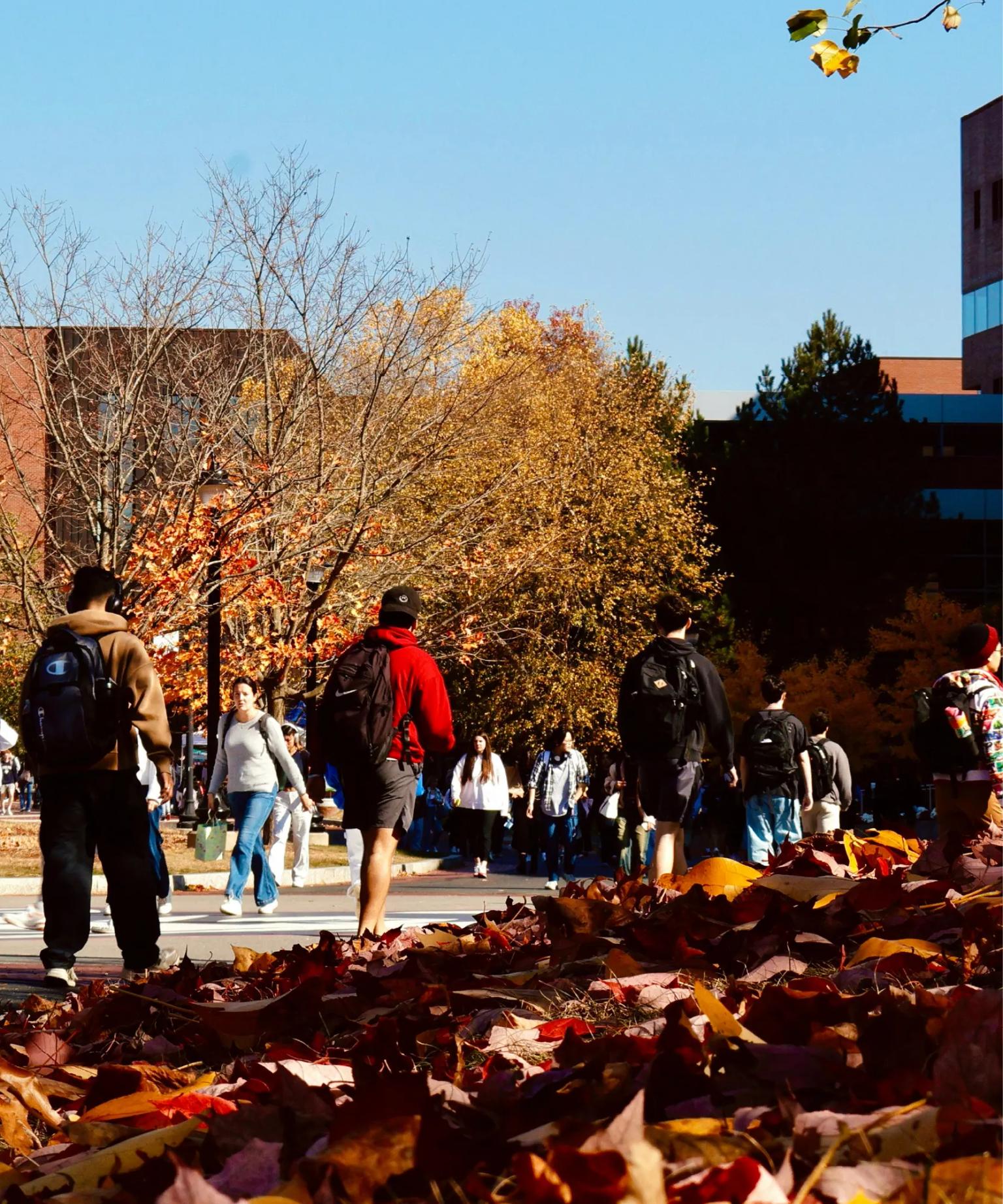
Student life in Korea is vibrant and offers modern campuses, multicultural communities, affordable transport, exciting festivals, student clubs, advanced libraries, and multiple opportunities to experience Korean culture. It offers peace of mind in an unfamiliar environment.

World Famous Universities

Top-ranked universities in South Korea are globally renowned for their quality education, research opportunities, and strong industry connections. Korea is home to over 250 universities and graduate schools, among which Seoul National University is at the top place in Korea and among the top 100 in the world.

World-Class Technology and Future

Korea is the foundation of the global microchip supply chain. It is a global leader in advanced science and technology. The country’s economic growth in 2026 is supported by the AI boom, which was recently upgraded to 3.0%. Today, Korea will become Asia's largest economy.

Attraction of Korea

South Korea is a top destination with a vibrant metropolitan location and ancient heritage. Pursuing higher education in Korea provides an excellent opportunity for students to gain global experience. South Korea offers unique regions for every traveller, from shopping to history and nature.

High-Quality Education in Korea

The education system in Korea is globally renowned for its outstanding academic performance and standards. Studying in Korea offers hands-on experience, extracurricular activities, and the knowledge, skills, and expertise needed by global companies. South Korea consistently tops the OECD average in reading, mathematics, and science.

Rich Korean Culture

Korean culture is a combination of ancient traditions and rapid modern development. Studying abroad in South Korea offers a strong engagement with the Korean Wave, modern lifestyle, and ancient Confucian traditions. It is globally known for its rich cuisine, martial arts, and K-pop, dramas, and literature.
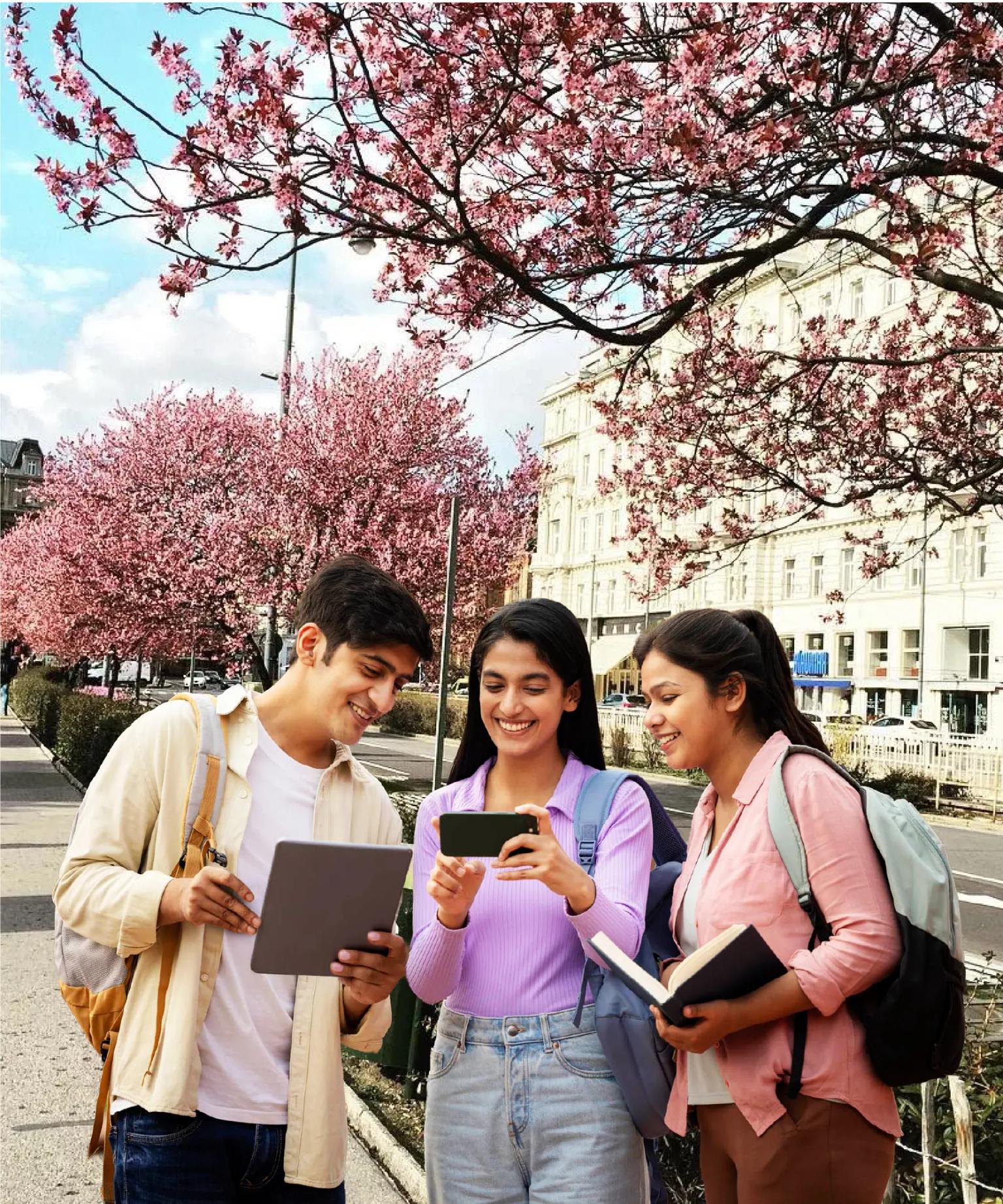
Students studying together

Admission Process

Applicants have to follow the step-by-step admission process to study in Korea . Completing an application requires careful planning, necessary documents, meeting the entry requirements, and arranging finances. Students have to start preparing 8 to 12 months before program intake to increase the chance of admission and scholarship opportunities. Students have to submit the application before the admission deadline in Korea . They also meet the entry requirements as mentioned by the universities. The criteria may vary depending on the program level and specialisation. Explore more about the admission process in Korea below:
Step 1
Research and Shortlist

Research and Shortlist

Compare universities, select the location, check the program level, and the course to start the application process.
Step 2
Take Standardised Tests

Take Standardised Tests

Meet English language proficiency via IELTS or TOEFL. Some programmes may require TOPIK or additional entrance examinations.
Step 3
Prepare Application Documents

Prepare Application Documents

In the next step, applicants must gather necessary documents, including a well-crafted statement of purpose.
Step 4
Apply and Secure Admission

Apply and Secure Admission

Submit a complete application before the deadline and accept the admission offer after receiving the acceptance letter.
Step 5
Apply for the Student Visa

Apply for the Student Visa

Take a Certificate of Admission to apply for a Korean student visa through the nearest Korean Embassy or Consulate.
Step 6
Plan Finances and Travel

Plan Finances and Travel

The last step is to arrange tuition fees, accommodation, travel insurance, foreign exchange, and flight bookings well before the departure date.

Documents Required toStudy in Korea

Students must gather all the necessary documents before applying for admission to South Korean universities. Many universities require an online application, an application fee, and a set of certified documents. All documents should be written in English or in Korean. After preparing the documents, please go through the checklist and double-check that the documents are prepared by marking on the checklist. Ensure all documents are complete, translated and submitted before the university application deadline. Check the complete list below:

An Online Application Form

Statement of Purpose

Official Academic Transcripts

A Letter of Recommendation

An Updated Resume/CV

A Valid Passport (valid for more than 6 months)

TOEFL iBT/IELTS score

Bank Statement (Proof of Bank Balance)

Statement of Consent

A Portfolio (if required)

Passport-size photo

Top Courses to Study in Korea

South Korea offers globally recognised undergraduate and postgraduate programmes in engineering, technology, business, healthcare, design, media, and social sciences. Students can apply to study MS, BTech, BSc, MIM, and MBA in Korea. The country is known for its advanced technology and strong economy. Tuition varies from ₩4,920,000 to ₩12,010,000 depending on the university and program. Check the list of popular courses to study in Korea below:

Scholarships in Korea

The popular South Korean scholarship for international students is the Global Korea Scholarship. The country provides multiple government-funded and university-specific scholarships that reduce the overall budget. Many scholarships are available on a merit basis, research achievements, or financial need, increasing access to quality education. Explore other popular scholarships in Korea below:

Korean Government Scholarship Program

  • GKS Scholarship is a major opportunity for Indian students looking to pursue higher education in South Korea with strong financial and academic support.
  • Thousands of students planning to study in Korea are eligible for the scholarship.
  • It will cover tuition fees up to ₩5 million, an aeroplane ticket, and living costs up to ₩900,000 per month as per course level.

Korean Government Scholarship Program

  • GKS Scholarship is a major opportunity for Indian students looking to pursue higher education in South Korea with strong financial and academic support.
  • Thousands of students planning to study in Korea are eligible for the scholarship.
  • It will cover tuition fees up to ₩5 million, an aeroplane ticket, and living costs up to ₩900,000 per month as per course level.

KAIST Global IT Technology Program

  • The KAIST Global IT Technology Program is a fully funded Master's and PhD scholarship for international IT professionals.
  • All students will receive scholarships for up to 2 to 3 years.
  • It covers the tuition fee, one-way airfare, living costs, national medical insurance, and relocation expenses.

KAIST Global IT Technology Program

  • The KAIST Global IT Technology Program is a fully funded Master's and PhD scholarship for international IT professionals.
  • All students will receive scholarships for up to 2 to 3 years.
  • It covers the tuition fee, one-way airfare, living costs, national medical insurance, and relocation expenses.

Samsung Dream Scholarship Foundation

  • It is available to support talented international students in becoming global leaders through support and education.
  • This scholarship in Korea helps students from developing countries who are studying in South Korea.
  • It will provide support of ₩4,800,000 per semester at the undergraduate and graduate levels.

Samsung Dream Scholarship Foundation

  • It is available to support talented international students in becoming global leaders through support and education.
  • This scholarship in Korea helps students from developing countries who are studying in South Korea.
  • It will provide support of ₩4,800,000 per semester at the undergraduate and graduate levels.

Global Korea Scholarship

  • A popular, fully funded scholarship in Korea sponsored by the South Korean government.
  • The National Institute for International Education manages it.
  • Cover full tuition, round-trip airfare, living stipends, and language training for international students pursuing undergraduate or graduate degrees.

Global Korea Scholarship

  • A popular, fully funded scholarship in Korea sponsored by the South Korean government.
  • The National Institute for International Education manages it.
  • Cover full tuition, round-trip airfare, living stipends, and language training for international students pursuing undergraduate or graduate degrees.

KOICA Scholarship Program

  • It is a fully funded program for public sector employees from developing partner countries to pursue Master’s or Doctoral degrees in South Korea.
  • It covers tuition fees, living expenses, travel costs, and more.
  • Applications for the KOICA Scholarship in Korea are OPEN now.

KOICA Scholarship Program

  • It is a fully funded program for public sector employees from developing partner countries to pursue Master’s or Doctoral degrees in South Korea.
  • It covers tuition fees, living expenses, travel costs, and more.
  • Applications for the KOICA Scholarship in Korea are OPEN now.

University-Specific Scholarships

  • South Korean universities offer a range of merit-based scholarships for international applicants.
  • Universities such as Seoul National University, Korea Advanced Institute of Science and Technology, Korea University, Yonsei University, etc., offer full or partial tuition waivers and monthly stipends.
  • These scholarships are available at undergraduate, graduate, and PhD levels.

University-Specific Scholarships

  • South Korean universities offer a range of merit-based scholarships for international applicants.
  • Universities such as Seoul National University, Korea Advanced Institute of Science and Technology, Korea University, Yonsei University, etc., offer full or partial tuition waivers and monthly stipends.
  • These scholarships are available at undergraduate, graduate, and PhD levels.

What Do Students Say About Us?

Students rate Education Vibes for its personalised, end-to-end guidance on study abroad and support throughout the application process. Reviewers also share positive feedback for simplifying the entire process and almost a 100% visa success rate. Their advanced services include loan guidance, statement of purpose, visa approval, etc. The experienced counsellors at EV provide all the information in detail. Check reviews below:

I was looking for a budget-friendly destination to pursue my master's. The EV team helped me shortlist my university in Korea that has modern laboratories, supportive professors, and offers internship opportunities. Thanks to the team for providing me with proper support and preparing me for an international career.

R
Rahul Sharma

Education Vibes is one of the most popular study abroad consultancies in India that supported me at each stage. Their experts guided me from university selection to visa approval. Today, I'm pursuing my master's in Korea and also receiving scholarship support with the help of the EV team.

P
Priya Nair

I am thankful to the EV team, who provided me with proper guidance in getting admission to a top university in South Korea. Pursuing my MBA in Korea is an important next step to achieving my career goals. The entire team handled my application carefully. I especially thank Sneha for crafting an impressive SOP. Thank you, EV team.

A
Arjun Patel

I want to pursue my higher education in Korea. Thanks to the EV team, especially Khushi, who helped me with the admission application. Now, I'm experiencing advanced technology, industry connections, and hands-on learning in Korea that develop my skills that are in high demand.

S
Sneha Reddy

I was looking for a study abroad consultancy in Noida. One of my friends informed me about EV and their highly skilled counsellors. I was worried about adapting to a new country, but the EV team supported me at every stage from admission till I landed in Korea. They are still in touch with me.

A
Aditya Singh

I came to Korea to pursue my dream. I’ve had a pretty good experience as an international student at a popular Korean university. The EV team simplified my admission process and made it stress-free.

R
Rohan GuptaSeoul National University

The counsellors at Education Vibes helped me in selecting the course and university based on my preferences. Their expertise and support made every step simple. Today, I successfully got admission to the B.Tech course at the university.

A
Anjali VermaYonsei University

I have received end-to-end guidance from experienced counsellors. They helped me secure admission and a scholarship at KAIST in Korea. I thank the EV team, especially Khushi, who helped me secure admission to a master's in AI.

K
Karthik Reddy

The EV team's professional guidance and transparent counselling helped me in selecting the right programme that perfectly aligned with my career goals. Sneha helped me draft a well-structured SOP for a university application.

N
Neha SharmaKorea University

I strongly suggest Education Vibes for anyone planning to study abroad. Their support helped me make adjustments to Korea smoothly and effortlessly. Today, I'm pursuing my MBA in Korea just because of the guidance of the EV team.

M
Mohammed FaizanHanyang University

Intakes in Korea

Universities in South Korea accept applications in two intakes, i.e., Spring starts around March/April, and Fall starts around September/October. There are Korean universities that offer a limited number of summer admissions for specialised programmes, language schools, and exchange opportunities. The Fall semester is the main intake, which offers the highest number of programs, scholarships, and an extended application period. Check the timeline of intakes in Korea below:

It is the main intake with the highest number of courses and scholarship opportunities. The application period generally runs from March to May of the same year.
Fall
Spring

Explore Other Study Abroad Destinations

Apart from studying in Korea, there are other destinations for international students looking for higher education abroad. Countries like Germany, Ireland, the UK, Australia, etc., attract students due to their English-taught programs, scholarships, visa policies, and employment opportunities. Check out the top destinations to study abroad below:

Cost of Studying in Korea

Students who have decided to study abroad in South Korea must take care of the living and studying costs. The monthly cost of living in Korea will be around ₩850.000 (₹55,403). Key expenses will be food, public transportation, housing, and other expenses. Unlike many countries, South Korean universities generally charge the same tuition rates for domestic and international students. Tuition varies from ₩1,884,132 to ₩7,654,030 and more, depending on the program level. Check the breakdown of the cost of studying in Korea below:

Undergraduate Tuition Fees
₩4,265,842 to ₩7,654,030|₹278,049 to ₹498,892
Postgraduate Tuition Fees
₩2,481,808 to ₩5,306,655|₹161,765 to ₹345,889
Associate Degree Programs
₩1,884,132 to ₩6,495,245|₹122,808 to ₹423,362
Books & Study Materials
₩200,000 to ₩500,000|₹13,036 to ₹32,590
Miscellaneous Expenses
₩300,000 to ₩450,000|₹19,554 to ₹29,331

Note: The above tuition is taken from the official website of Study in Korea (studyinkorea.go.kr). Dormitory fees vary depending on the number of occupants and whether meals are included. The conversion is done on the basis of the current rate of ₩1 = ₹0.065 as of July 2026.

Applicants can start applying for a D-2 Student Visa in Korea after receiving an acceptance letter from a recognised Korean university. Gather all the necessary documents and pay the Korean Student Visa application fee to complete the process. Attend the visa interview if requested by the authority. Check the Step-by-Step Guide on Korean Student Visa below:

  1. 1

    Step 1: Secure Admission

    Apply to a selected university in South Korea. Receive the official admission letter and Certificate of Admission, which are required for the visa application.
  2. 2

    Step 2: Gather Required Documents

    The next step is all about gathering the necessary documents for student visa applications, including a passport, proof of finance, health insurance, etc.
  3. 3

    Step 3: Submit Your Application

    Submit your visa application to the Korean Embassy or Consulate with the applicable visa fee. Based on the location, applicants have to submit an application.
  4. 4

    Step 4: Processing and Arrival

    Attend a visa interview and get a student visa. Now, arrange accommodation, book flights, and prepare for departure.
90%Visa Success Rate
₩65,000 (Long Term Single Entry)Visa Application Fee
2 to 4 weeksAverage Processing Time
Up to 6 months (extendable up to 3 years) Required DocumentsD-10 Job Seeker Visa

Original Admission Certificate from the University

Copy of Business Registration of Inviting Korean University

Sponsorship Letter (if any)

Passport with over 6 months of validity

Duly filled Online Visa application form.

Recent passport-sized 2-colour photographs

Academic Records with Original Apostille

Recent Bank Statement of the last 6 months

Detailed travel arrangements

TB Test Report

Post-Study Work Opportunity in Korea

South Korea provides excellent job opportunities for international graduates in technology, engineering, manufacturing, healthcare, finance, research, and business. Graduates who meet the requirements can switch to a job-seeking visa before receiving an employment visa sponsored by a qualified employer. Students have to switch from an automatic stay-back visa to a D-10 Job Seeker Visa, which allows graduates to stay up to six months to find professional employment.

Post-Study Work Opportunity in Korea

Pathway to PR

Long-term employment, continuous residence, financial stability, proficiency in the Korean language, and meeting immigration requirements enhance future eligibility for permanent residency in Korea .

Career Progression

Graduates can start working at an entry-level job before progressing into specialist, managerial, research, and leadership roles through industry experience.

Ideal Transition Period

Students should regularly look for job opportunities during their last semester or right after graduation to enhance their career opportunities.

Career Opportunities After Studying in Korea and ROI

Studying in Korea offers an impressive ROI for graduates in STEM, Business, and Biotech fields. An innovation-based economy in the country provides competitive salaries to graduates. Graduates from top Korean universities can get employability, competitive salaries, and excellent long-term career growth. Explore graduate salaries in Korea below:

Note: The table above covers the average salary for a graduate in Korea. Salaries vary depending on qualifications, employer, location, industry, experience, and Korean language proficiency. The above salaries are taken from unofficial sources. Hence, they may change.

Field of WorkJob TitleDetails
Data ScienceData Scientist₹3,910,816
Mechanical EngineeringMechanical Engineer₹5,420,000
FinanceFinancial Analyst₹4,201,000
BusinessBusiness Development Manager₹6,709,297
HealthcareClinical Research Associate₹41,000,000

Note: Note: The table above covers the average salary for a graduate in Korea. Salaries vary depending on qualifications, employer, location, industry, experience, and Korean language proficiency. The above salaries are taken from unofficial sources. Hence, they may change.

PR and Long-Term Career Pathway in Korea

International graduates who secure skilled employment, maintain residency, support the Korean economy, and satisfy immigration requirements may qualify for long-term residency or permanent residency. A basic understanding of the Korean language and gaining professional experience can significantly strengthen long-term settlement opportunities.

  • Standard Professional Track

    Start with a professional visa sponsored by the employer. Shift to the F-2-7 points-based resident visa. At last Upgrade to the F-5 Permanent Residency.
  • Top-Tier Global Talent / STEM Track (Fast-Track F-2)

    Designed for experts in advanced tech, researchers, or professors. Requires a higher degree from a top-100 university, extensive experience, and high salary criteria.
  • Regional Talent Track (F-2-R)

    Dedicate oneself to living and working in designated population-declining regions. Demands intermediate Korean skills along with a recommendation from local authorities.
  • Manufacturing / Skilled Manual Track (E-9 → E-7-4 → F-5)

    Move from manual labour visas through the points-based skilled worker system (E-7-4) into general long-term resident categories.
PR and Long-Term Career Pathway in Korea
Student Life in Korea
Study in Korea flagStudy in Korea

Student Life in Korea

Academic Life

Students can take advantage of research-focused education, advanced classrooms, hands-on projects, laboratory work, industry collaboration, and opportunities to participate in international conferences and competitions.

Daily Life & Independence

Dedicated public transport, convenient accommodation options, digital payment systems, and strong public safety ensure a comfortable daily experience for international students.

Social & Cultural Experience

Students can explore Korean traditions, K-pop music, Korean food, historical sites, cultural festivals, and diverse communities while building lifelong international friendships.

What Education Vibes Can Do to Help and You Study in UK ?

Education Vibes offers end-to-end support for students planning to study in South Korea. Our experienced counsellors guide students from selecting the right university to the admission application and visa. Our experienced team ensures a smooth and transparent study abroad journey.

Counselling Sessions

Personalised career and university guidance from experienced experts.

Ethical Guidance

Clear, student-focused guidance throughout the admission journey.

Documentation Support

Our experts provide support with application documents and verification, including SOP.

Admission Process Support

Comprehensive support for university applications and admissions.

Visa Application Support

Our study abroad experts help with accurate and timely visa applications.

Pre- and Post-Admission Support

Continuous support before departure and after arrival in Korea.

Frequently asked Questions

A. South Korea is one of the most suitable study abroad destinations that offers world-class education at globally ranked universities. Students get a safe and low-cost living environment. Through the "Study Korea 300K" initiative, the government offers international students access to more English-taught programs, scholarships, and post-study work visas.
A. Yes, Indian students can absolutely study in South Korea. Applicants must submit an online application and secure a visa. The admission process in Korea requires a few specific steps.
A. Yes, students can study in South Korea without knowing Korean. They just need to apply for admission to an English-taught degree program or attend a university that provides education in English.
A. To study in Korea, applicants must secure a D-2 Student Visa through the local Korean embassy. They must also gather all the necessary documents. Prepare clothes suitable for all four seasons, download necessary local applications like Naver Map and Papago, and carry an unlocked smartphone.
A. The total approximate budget to study in South Korea is ₩14,969,162 per year, which will be around INR 969,064. It is an average cost and can increase as per the location, course, university, and living expenses.
A. South Korea is becoming a popular destination for international education due to its globally ranked universities, advanced learning environments, and highly affordable tuition. Additionally, students get a safe, modern living and an engaging culture.
A. Students can study in Korea after 12th grade by applying for direct admission through the official website of Korean universities. Applicants must secure between 60% and 80% in 12th grade, provide proof of language proficiency, and submit the necessary documents. Applications are for the Spring and Fall semesters.
A. Studying in South Korea is worth it for international students. It has affordable tuition fees, a high academic reputation, globally ranked universities, and exceptional personal security. However, a long-term career depends on students' goals.
A. Yes, international students can study in Korea for free through fully funded scholarships. These scholarships will cover tuition, living expenses, airfare, and health insurance. The Global Korea Scholarship is the most popular way, along with multiple direct university scholarships.