QS
QS
311
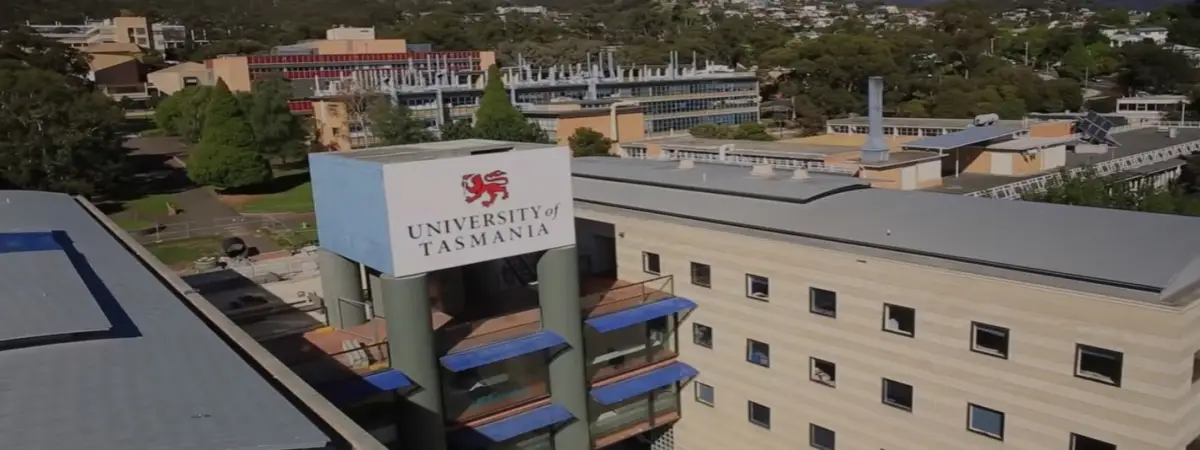

University of
Tasmania
Country :
Australia
Founded :
1890
Address :
Churchill Ave, Dynnyrne TAS 7005, Australia
Achieve a degree recognised around the world at the University of Tasmania - Australia's most popular public university among international students. Study today for tomorrow's career.
The University of Tasmania is a reputable public research university with a long academic tradition and a focus on real-world experience. Located on three main campuses in Hobart, Launceston, and Burnie, UTAS students enjoy a supportive community with a world-class experience. Renowned research areas include marine and Antarctic studies, environmental science, and health.
UTAS offers a variety of undergraduate and postgraduate courses in areas such as Business, Engineering, Nursing, IT, and Science. Industry partnerships at UTAS help make graduates workforce-ready. UTAS currently has an approximate employment rate for graduates of 80-85%, and students participate in many internship and work-integrated learning opportunities that are linked to global careers and employers. If you want to study in Australia, UTAS provides you with a top-notch education at an accessible price, within one of the most naturally beautiful places in the world.
Churchill Ave, Dynnyrne TAS 7005, Australia
The University of Tasmania excels globally, ranked first for Climate Action and in the top 18 in Australia (EduRank), and highly in key fields such as Ecology, Atmospheric Science and Mining, and Marine/Ocean Engineering worldwide. The brilliant UTAS education system and its exceptional academic standards and facilities, terrific support services and research are what have grabbed global recognition.
The University of Tasmania offers top courses in Marine and Antarctic Science, Environmental Studies, Medicine, Nursing, Engineering, and Agriculture, along with strong programs in Data Science and Business, aligning with its global strengths in sustainability, research, and innovation. Check the top UG and PG courses below:







Graduates of the University of Tasmania enjoy benefits such as good employability, excellent employer recognition, an engaged alumni network, and well-paid salaries across several industries. Future job opportunities in Australia and overseas look even more promising as a result of cutting-edge industry learning, internships, relevant experience and an international reputation. Now, here’s a list of jobs and their associated salaries:
Salary figures are indicative estimates based on graduate outcomes, industry surveys, and available employment data. Actual salary per annum may vary with experience, location, and designation.
The University of Tasmania offers many scholarships, bursaries, and grants for international students. Most are awarded automatically when you are admitted to our UG, PG, and research programs, with some requiring you to lodge an application separately. Below is the list of scholarships and grants.
Discover more about leading Australian universities, which offer career-focused programs and a well-grounded pathway to high-value graduate employment. Benefit from international credentials, first-class research experiences, strong graduate employability, world-class campuses, comprehensive scholarships, and a career-driven education.
Located on three main campuses in Hobart, Launceston, and Burnie, UTAS students enjoy a supportive community with a world-class experience. All of the Official University of Tasmania Campus maps include building search functions & are optimised to provide efficient walking directions all the way to the building!
Yes, the University of Tasmania (UTAS) is a highly respected institution. It generally ranks in the top 300 universities worldwide (top 2%) and is highly regarded for specific fields like Marine and Antarctic Studies, Nursing, and Environmental Science.
Yes, international students at UTAS can work a maximum of 48 hours per fortnight (i.e., two weeks) during term time and without limit during your approved study break(s).
The University of Tasmania offers top courses in Marine and Antarctic Science, Environmental Studies, Medicine, Nursing, Engineering, and Agriculture, aligning with its global strengths in sustainability, research, and innovation.
The University of Tasmania (UTAS) provides housing in campus accommodation at several sites in Hobart, Launceston, and the Cradle Coast, such as Christ College, Hobart Apartments, and Inveresk Apartments.
Yes, UTAS offers various merit-based partial and full scholarships, such as:
● Tasmanian International Scholarship (TIS)
● Early Acceptance Scholarship
● 10% Tuition Fee Discount
● Australia Awards Scholarships
Living expenses at the University of Tasmania (UTAS) typically require approximately AUD 29,000 to AUD 34,500 per year, covering housing, food, and personal costs.
Tuition fees annually usually range from AUD 35,000 to AUD 70,000, depending on the course: undergraduate, postgraduate, or specialised professional degree.
Most undergraduate and postgraduate degrees require an IELTS score of 6.0-6.5 minimum (no band under 6.0) or equivalent TOEFL scores.
The acceptance rate at the University of Tasmania (UTAS) is estimated to be around 70% to 75%, though the university does not publish an official figure.
At UTAS, they hold strong rankings in the world in major rankings:
QS: 311
THE: 251-300
US News: 270
Shanghai: 301-400
Stay updated with the latest news and exclusive content by subscribing to our newsletter