THE
THE
1201 to 1500
Technological University
Dublin
Country :
Ireland
Founded :
2019
Address :
Park House, Grangegorman, 191 North Circular Road, Dublin 7, D07 EWV4, Ireland
Shape your career in Ireland’s first technological university by enrolling at Technological University Dublin.
Technological University Dublin is Ireland’s first technological university, popular for its advanced infrastructure and industry-oriented curriculum. This university offers a global standard of education to more than 27,000 students across 5 campuses in Dublin. It offers multiple courses in engineering, technology, computer science, cybersecurity, artificial intelligence, data science, architecture, energy, and sustainability. With a student-to-faculty member ratio of 15:1, each student gets personalised support in academics as well as career development from the staff.
The university is in a tie-up with more than 800 industry partners. That is why students get opportunities for internships, apprenticeships, and project work. It helps them with real-time project handling in employment. Students are encouraged to innovate and build their own ventures as well. Modern educational facilities, scholarship opportunities, high employment prospects, and multicultural campus life grab the attention of students who want to study in Ireland.
Park House, Grangegorman, 191 North Circular Road, Dublin 7, D07 EWV4, Ireland
Technological University Dublin was ranked among the top 100 universities in Sustainable Development Goals in 2025. It was also ranked 13th in the impact ranking by the Times Higher Education Rankings 2025. In 2026, it also secured its position in the global ranking system due to the quality of education, student satisfaction, and employment opportunities.
Technological University Dublin offers all the courses that are highly in demand in the global industry. Altogether, 110 undergraduate courses and 54 postgraduate courses are delivered to international students. Here are the highlights of the top courses at TU Dublin.







Ireland is booming in the advanced technology and IT sector, creating huge demand for employment. Graduates from Technological University Dublin are recruited for well-paid job roles across technology, business, engineering, and healthcare centres. With minimum average pay scales, they recover the entire educational expenses within a few years.
Salary figures are indicative estimates based on graduate outcomes, industry surveys, and available employment data. True pay may vary with experience, location, and designation.
Technological University Dublin provides scholarships, grants, and fee waivers to eligible international students. These are provided based on students' merit. The amount of the financial benefits varies from one intake to another. Here is the list of key scholarships at this university.
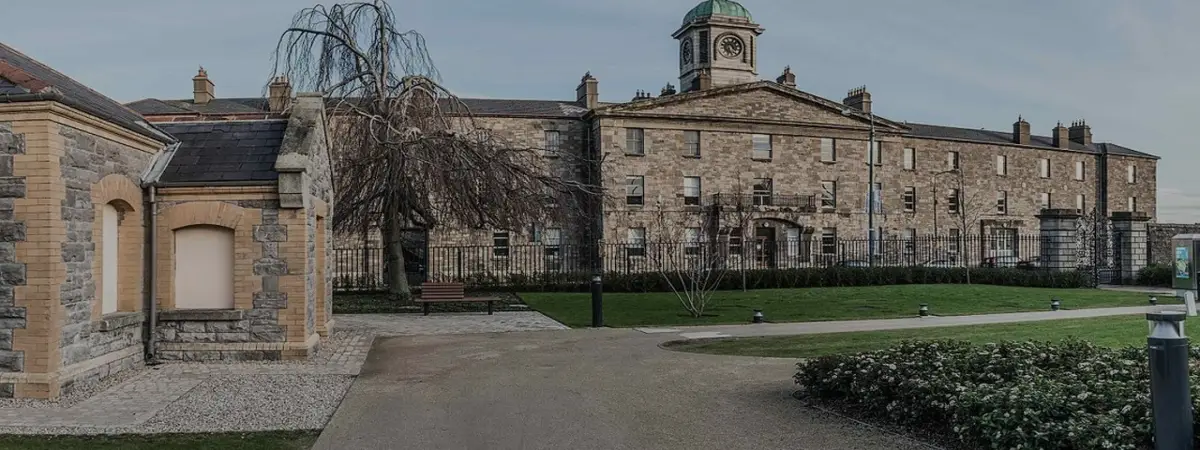
Technological University Dublin has five campuses across Dublin, including Grangegorman, Aungier Street, Bolton Street, Blanchardstown, and Tallaght. All the campuses are easy to commute to from the city centre.
Students choose TU Dublin for its practical education, strong industry connections, applied research, modern facilities, global learning environment, and excellent graduate employability.
Yes. Many programmes include internships, industry placements, or project-based learning through partnerships with leading employers.
Applicants generally need academic transcripts, a valid passport, proof of English proficiency, a Statement of Purpose (SOP), Letters of Recommendation (if required), and other programme-specific documents.
Yes. Eligible international students can work part-time during academic sessions and full-time during official holidays, subject to Irish immigration regulations.
Yes. TU Dublin offers selected scholarships and financial support opportunities for eligible international students.
Technological University Dublin acceptance rate is around 46%, indicating a higher competition rate for international students.
The average tuition fees range from EUR 12,500 to 21,750. The fees can vary due to yearly fees revision for international students and differ from one course to another.
International applicants generally need IELTS, TOEFL, PTE Academic, or another accepted English language qualification. The required score varies by programme.
The top courses at both UG and PG levels are Sustainable Energy Engineering, Computer Engineering, Automation Engineering and Robotics, Aviation Technology, DNA and Forensic Science, Digital Forensics & Cyber Security, Data Science, Energy Management, Pharmaceutical Quality Assurance & Regulation, Technology and Innovation Management, and Computing in Human Centered Artificial Intelligence.
Technological University Dublin (TU Dublin) is located in Dublin, Ireland, with major campuses at Grangegorman, Tallaght, Blanchardstown, Aungier Street, and Bolton Street.
Stay updated with the latest news and exclusive content by subscribing to our newsletter