

Saint Petersburg State Pediatric Medical University

Founded:
1925

Country:
Russia
Book your seat at Saint Petersburg State Pediatric Medical University for an MBBS course with expert guidance.
Book your seat at Saint Petersburg State Pediatric Medical University for an MBBS course with expert guidance.
Saint Petersburg
State Pediatric Medical University

Founded
1925

Country
Russia
Overview of Saint Petersburg State Pediatric Medical University
Saint Petersburg State Pediatric Medical University (SPbSPMU) was established in 1925, and it is the world’s oldest paediatric institution. It becomes an educational hub for international students who want to specialise in paediatrics after an MD (equivalent to an MBBS). With a rich history of 100+ years, SPbSPMU is recognised by the World Health Organisation and the National Medical Commission of India.
The educational standard at this university is fully aligned with global medical education. The main advantage of studying at this university is getting opportunities to explore neonatology and pediatric surgery. To opt for MBBS in Russia is itself an affordable choice, and at SPbSPMU, students get additional facilities with it. Also, students get opportunities to practice at Russian healthcare centres for clinical trials.
With 6 years of course duration and an English medium curriculum, it has become a preferred choice for Indian students. With 50% marks in Physics, Chemistry and Biology in the 12th board, a student is easily eligible for this university. Students can obtain a bright career after completing the MBBS degree from SPbSPMU.
Ronit Pathak
I faced difficulties in the online admission process for Saint Petersburg State Pediatric Medical University. I was anxious and contacted Education Vibes. Immediately, one of the counsellors helped me and resolved my issue. I was very satisfied with their impromptu action. As per my experience, I recommend everyone to get service from the team Education Vibes.
Naman Agarwal
During my application process, I faced the problem of submitting my documents. I was worried and lost all hopes to study at TSU. At that time, I got to know about Education Vibes. With their assistance, I got admission, and now I'm in the 2nd Year of MBBS. I suggest that everyone contact Education Vibes for their MBBS abroad journey.
Deepak Dubey
I got to know about Education Vibes from the internet. I checked out their website and pinged them. One of the counsellors reached out to me. He cleared all my doubts about pursuing MBBS abroad. He helped me with the end-to-end admission process at Saint Petersburg State Pediatric Medical University. My family and I are fully satisfied with Education Vibes.
Sunayana Gupta
I have heard from social media that visa processing could be a difficult process if students don't proceed in the right way. But Education Vibes has made things easier for me. They rechecked my documents multiple times, and I smoothly got my Visa within the expected time. They updated the status every single day, that's why I was stress-free. Thank you, team EV.
Quick Facts About Saint Petersburg State Pediatric Medical University

University Type

Location

Established Year

Medium of Instruction
Why Choose Saint Petersburg State Pediatric Medical University?
Saint Petersburg State Pediatric Medical University is one of the flagship paediatric specialised medical institutes in the world. This university introduces the most updated and innovative educational technology to the students at a minimum cost.

Recognition & Accreditation
In accordance with the Federal law, Saint Petersburg State Pediatric Medical University is accredited by the Ministry of Healthcare of the Russian Federation. The MBBS degree from this reputed institution is recognised by the following global medical authorities


NMC Compliance For Saint Petersburg State Pediatric Medical University
The National Medical Commission of India has published a few guidelines to standardise medical education. For validating a medical degree in India, a college must align the course with the guidelines. Saint Petersburg State Pediatric Medical University meets the guidelines and provides an NMC-recognised MBBS degree.
Minimum Duration
SPbSPMU meets the NMC guidelines for a minimum of 54 months of course and provides 6 years of total timeline for completing the course.
Medium of Instruction
The medium of teaching is English for Indian students at SPbSPMU and meets the latest NMC guidelines.
Mandatory Subjects
SPbSPMU covers all the subjects mentioned in Schedule 1 and aligns the course with the NMC standard.
Validity of the Degree
The MBBS degree from Saint Petersburg State Pediatric Medical University is accredited by the Ministry of Science and Higher Education of Russia.
Mandatory Internship
SPbSPMU arranges clinical internships in modern facility hospitals to prepare students for real-time experience and improve their skills for clinical practice.
Indian Screening Tests
As per NMC guidelines, students must validate their degree in India by clearing the all-India basis screening test (FMGE/NExT).
Our Commitment
Education Vibes promises to students that, with our guidance, they can achieve their dream to study MBBS at Saint Petersburg State Pediatric Medical University. Our end-to-end support makes the path easier to get admission in this reputed medical institution.
Saint Petersburg State Pediatric Medical University Fees Structure and Cost Breakdown
Saint Petersburg State Pediatric Medical University tuition fees for Indian students are INR 3,281,520. Clear knowledge of each expense for the whole course duration is beneficial to prepare a budget. Considering the cost breakdown, students can apply for education loans to continue their education.
| Item | Amount | Amount in INR |
|---|---|---|
| Tuition Fee | RUB 497,200 | RUB 546,920 |
| Hostel Fee | RUB 61,000 | RUB 67,100 |
| Food & Groceries | RUB 50,000 | RUB 550,00 |
| Visa & Visa Extension Fee | RUB 17,000 | RUB 18,700 |
| Medical Insurance & Test Fee | RUB 33,000 | RUB 36,300 |
| Total Value | RUB 658,200 | RUB 724,020 |
Note: The INR values can be altered a bit due to currency fluctuations. All the values are as of April,2026.

Free Eligibility Check
Eligibility Criteria For Saint Petersburg State Pediatric Medical University
Saint Petersburg State Pediatric Medical University eligibility is determined by academic score in senior secondary, minimum age, qualifying scores in the NEET entrance exam, and other admission requirements. By meeting all the criteria, students can take final admission to Russia's top-tier medical university.

MBBS Admission Process for Saint Petersburg State Pediatric Medical University
The Saint Petersburg State Pediatric Medical University admission process is not complicated at all, and students can easily complete it by following each step. The whole process is transparent and comprehensive for Indian students. Check out the step-by-step admission process

Free Counselling Session
Students should book a 1:1 counselling session with the experts at Education Vibes. They suggest colleges according to the eligibility and budget for those who want to pursue MBBS abroad.

Application Submission
Upon selecting Saint Petersburg State Pediatric Medical University, students have to submit the online application form and book a seat for the entrance exam. We help students with form fill-out and documentation.

Admission Confirmation
In the next step, provisionally selected students receive admission confirmation letters from the university. With our assistance, students acknowledge the letter by submitting the 1st year tuition fees.

Document Legalisation
As per the law of Russia Federation, students need to legalise all the documents from the Ministry of External Affairs. Our team ensures a hassle-free legalisation process.

Visa Application Submission
Our team assists in visa application submission and processing. Students don't need to be stressed; with our supervision, students' visas are received within time, and no complications arise.

Flying to Russia
Here comes the last step. Students get all the assistance from us. We book tickets, provide Ruble and arrange hostels in advance, so that students experience an effortless beginning.
Documents Required for Saint Petersburg State Pediatric Medical University
A few documents need to be submitted during the online application process at Saint Petersburg State Pediatric Medical University. Students need to submit authentic and valid papers so that their process won't be delayed. Here are the lists of essential documents that need to be scanned and uploaded.

X and XII mark sheets
Valid NEET scorecard
University’s invitation letter
6 to 8 copies of visa photographs
HIV test report
Students’ passports
MBBS Intakes for Saint Petersburg State Pediatric Medical University
Saint Petersburg State Pediatric Medical University intake is conducted once a year. For the Summer/Fall intake, the admission window opens in April, and after completing all the steps, classes start in September.

September Intake
Main Intake (Primary)
Application Timeline
| April - June | Application Period & Entrance Exam Begins |
|---|---|
| Late August – September | Visa Procedures & Pre-Departure Activities |
| July – Early August | Invitation Letter Issuance |
| September | Session Begins |
MBBS Course Duration and Structure For St. Petersburg State Pediatric Medical University

Year 1-2
Pre-Clinical Years
- ✓Medicinal Biology
- ✓Biochemistry
- ✓Embryology
- ✓Cytology
- ✓Genetics
- ✓Histology

Year 3 & 4
Para-Clinical Years
- ✓Anatomy
- ✓Pharmacology
- ✓Virology
- ✓Immunology
- ✓Physiology
- ✓Internal Disease

Year 5 - 6
Clinical Years
- ✓General Medicine
- ✓General Surgery
- ✓Psychiatry
- ✓Neurology
- ✓Gynaecology
- ✓Forensic Medicine

Curriculum Highlights
The main highlight of the MBBS curriculum at Saint Petersburg State Pediatric Medical University is providing early clinical exposure and research opportunities in current paediatric innovation. Students train for emergency care, diagnosis and patient dealing at one of the largest hospitals in Russia.
Explore More Universities in Russia for MBBS
Check out the top universities in Russia that offer NMC and WHO-recognised MBBS degrees with top-notch facilities at affordable tuition fees.
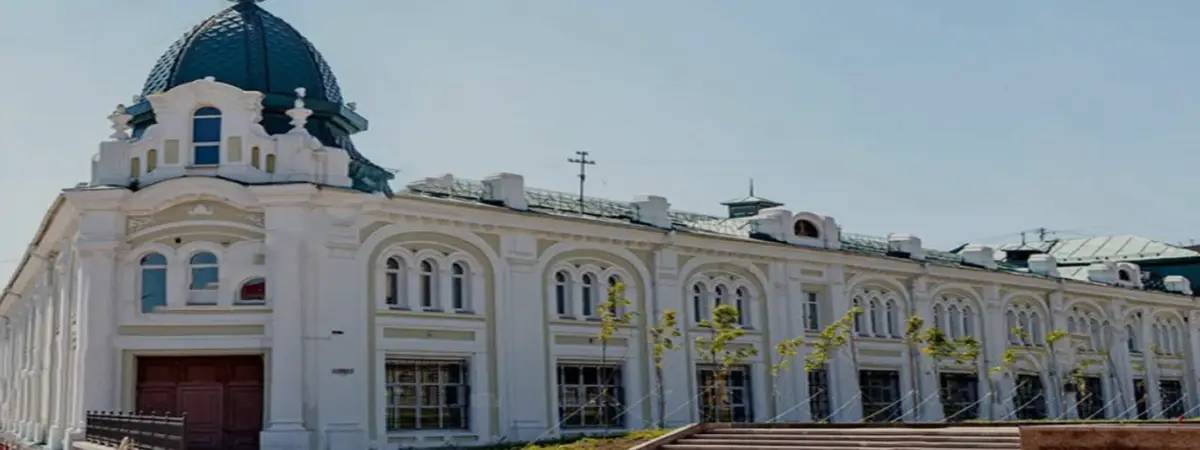
Omsk State Medical University
Irkutsk State Medical University

North Ossetian State Medical Academy
Kemerovo State University
North Western State Medical University
Northern State Medical University
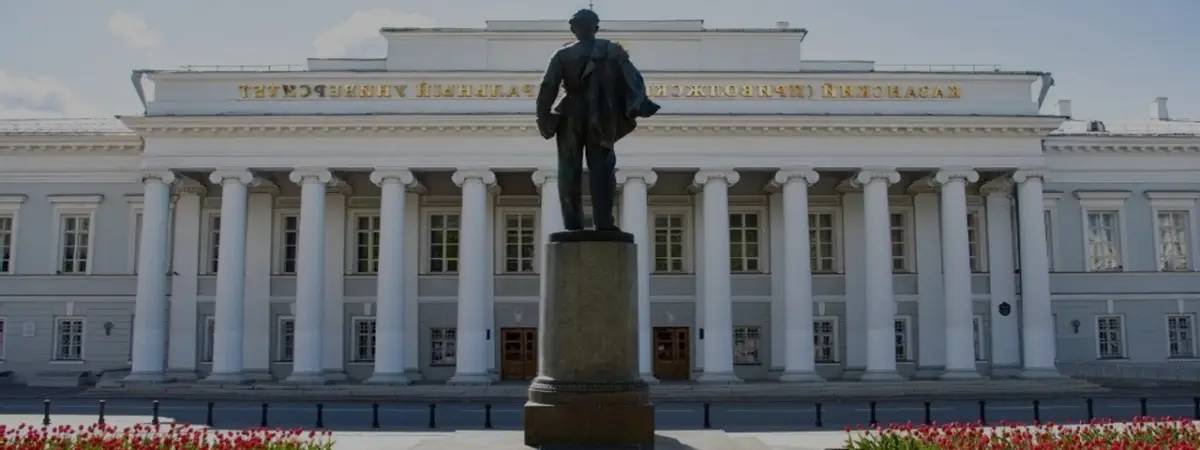
Kazan Federal University
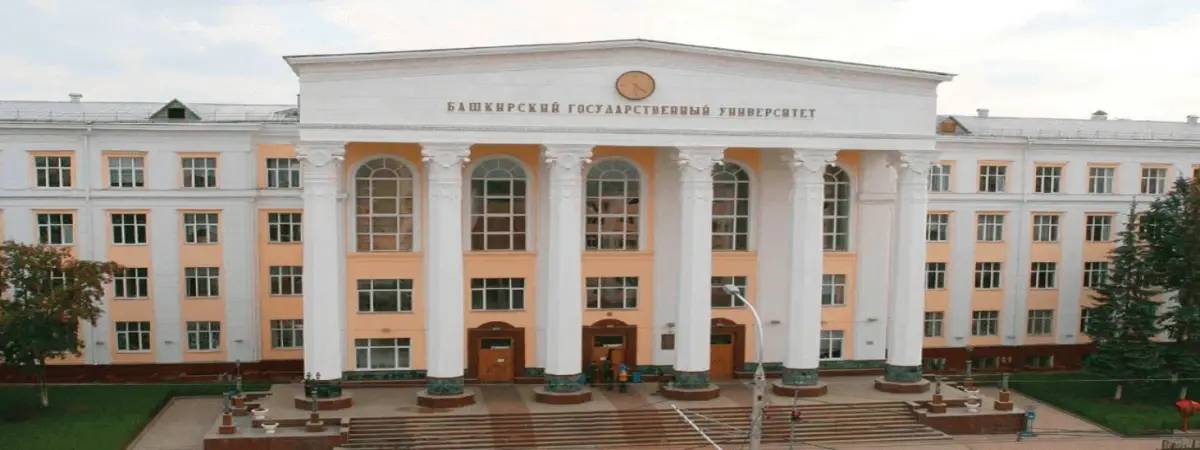
Bashkir State Medical University
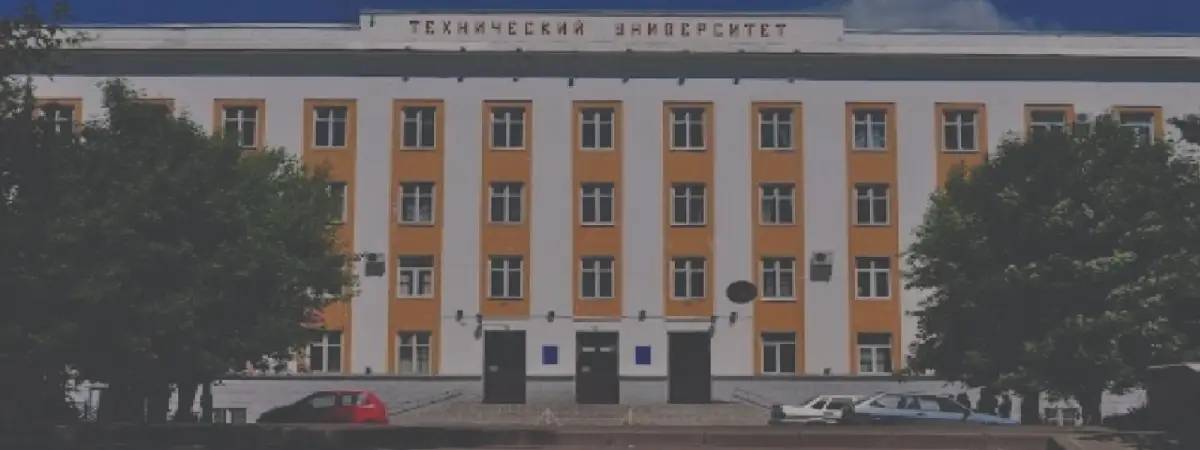
Tver State Medical University
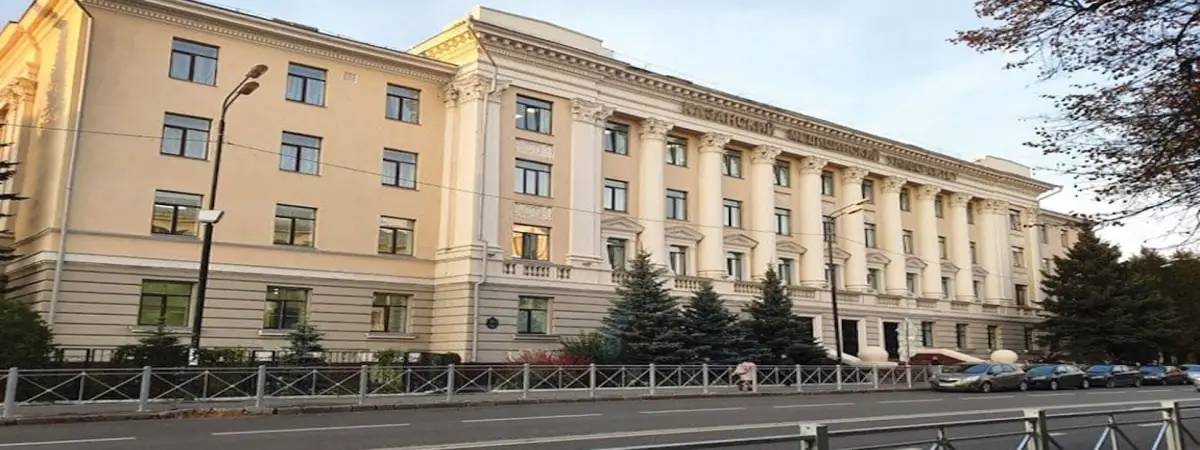
Kazan State Medical University
City At A Glance - Saint Petersburg
Saint Petersburg is known as “Venice of the North”, and it is the cultural nd educational hub of Russia. Many reputed colleges and universities are situated in this city. This second-largest city of Russia, Saint Petersburg, offers versatile cultural exposure and academic facilities, making the city ideal for living for international students.
| City | Saint Petersburg
|
|---|---|
| Region | Northwestern Russia
|
| Connectivity | Airport, public transport, and train |
| Population | Approximately 5.6 million (As of 2025)
|
| Attractions | The State Hermitage Museum, Mariinsky Theatre, and Nevsky Prospekt
|
| Time Zone | Moscow Standard Time
|
Hostel & Accommodation Facilities
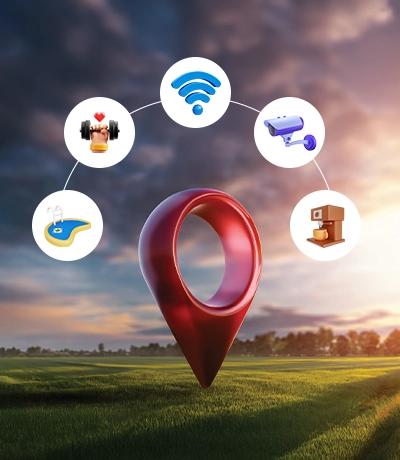
Hostel buildings are just beside the main roads near the main campus. Rooms have AC and heating systems, shared toilet facilities, washrooms and common study rooms. Additional amenities like housekeeping, laundry facilities and free internet connection are provided to residents.

In the hostel, there are self-cooking options in the common kitchen passage. Students who prefer Indian dishes only, it is the best option for them to maintain their dietary habits. They can lead a healthy lifestyle with their own-cooked meals.
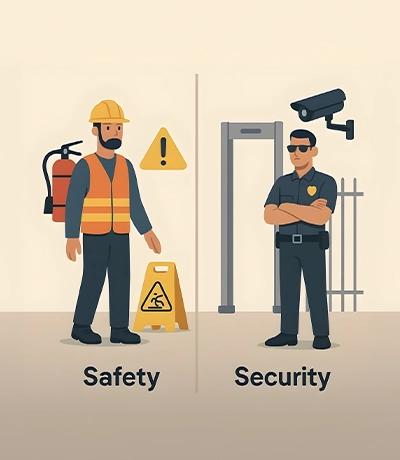
The hostel premises are fully covered with CCTV. Wardens take care of each student, and security guards monitor the whole building 24/7. Digital trackers at entry points are installed for safety concerns.

Hostel buildings are just beside the main roads near the main campus. Rooms have AC and heating systems, shared toilet facilities, washrooms and common study rooms. Additional amenities like housekeeping, laundry facilities and free internet connection are provided to residents.
Student Life at
Saint Petersburg State Pediatric Medical University
Student Life and the culture of the campus are dynamic at Saint Petersburg State Pediatric Medical University. Students enjoy their academic life and build a strong personality during this phase of life.
Accommodation & Campus Life
Academic & Study Resources
Sports, Culture & Recreation
Social Life & Community
Challenges & Realities
Weather and Climate
Saint Petersburg’s climate is highly humid and continental. People experience cloudy summers and snowy winters. The whole climate of the city is controlled by its geographic location.
Summer
June - August
The average temperature in Saint Petersburg is nearly 20°C to 26°C. Frequent rainfall, cloudy sky, and longer daylight are noticeable during the summer.
It is the best time to explore the city and experience outdoor activities. Enjoy college fest and campus events.

Winter
December to February
Winter is freezing cold in Saint Petersburg, and the usual temperature is around (-10)°C. The city is covered with snow most of the time in winter.
Don’t worry, the buildings have centralised heating systems, and students are advised to stay indoors.
Career Opportunities After MBBS from Saint Petersburg State Pediatric Medical University
Saint Petersburg State Pediatric Medical University prepares students for better career prospects by offering strong clinical exposure and deep academic knowledge. With an internationally acclaimed MBBS degree, graduates can pursue stable careers in the medical field. There are many opportunities in India, Russia, the USA, the UK and the Middle East countries. To get a license in different countries, students must appear for screening tests.
Practise in India
Graduates should appear for FMGE/NExT, and then only will they receive an Indian license
- Practice in hospitals
- Work in childcare NGOs
- Pursue higher studies
- Open own clinics

Practise In Russia
There are ample opportunities for skilled medical graduates in Russia.
- Join the government hospitals
- Continue higher studies
- Pursue a research program
- Work in private clinics


Practise in Global Career
By clearing screening tests, students can pursue a career worldwide.
- Turn into a radiologist
- Become a sports physician
- Start doing a PhD
- Work in healthcare centres

Explore Industries
There are many other career opportunities after completing graduation apart from traditional opportunities.
- Work as a HealthCare administrator
- Turn into a medical journalist
- Be a medical professor
- Join biotech companies as a specialist
What Education Vibes Can Do For You
Education Vibes is the friend, philosopher and guide for Indian students who want to study mbbs abroad. Our counsellors provide one-to-one guidance to students for securing their seats at Saint Petersburg State Pediatric Medical University.
Counselling Sessions
Our counsellors help students to make life-changing decisions regarding pursuing MBBS. We evaluate students’ performances in 10th, 12th and NEET, then onwards we guide accordingly. As per the students’ financial plan, we shortlist colleges among Russian colleges.
Ethical Guidance
We maintain clarity while guiding students. Our counsellors provide authentic information on the admission process and the fee breakdown. We clearly explain each step so that students won’t get confused.
Documentation Support
Our support extends till final documentation. We provide accurate information on which documents need to be submitted and how to legalise them by authorised bodies. As per the students’ convenience, we handled the entire process without any errors.
Admission Process Support
We provide end-to-end personalised admission support to the students. Students get support regarding form filing, updating of the status confirmation letter, and acknowledgement. With us, students easily get admission to Saint Petersburg State Pediatric Medical University.
Visa & Travel Support
Our experienced team helps students to apply for a visa through the consulate and with visa payments. With our assistance, students receive a visa on time. We also arrange travel tickets and hostel facilities near the university.
On-Ground Assistance
A local representative of Education Vibes picks students up from the nearest international airport and helps with university registration as well. We ensure that students won’t face any difficulties even after enrolling in Saint Petersburg State Pediatric Medical University.
Frequently asked Questions
SPbSPMU conducts intake only one time every year in September. The application window tentatively opens in late April and extends till June. In between the entrance conduct and university authorities publish admission confirmation letters from July and completing the whole process, the classes start in September.
Since Saint Petersburg State Pediatric Medical University is globally recognised, graduates can kickstart their careers worldwide. They can pursue higher studies, work as resident doctors, medical journalists, or specialised doctors. In some cases, students can turn into medical consultants, associate with public healthcare and administration, and pursue a career as faculty members in reputed hospitals.
For a 6-year MBBS course, the total expenses are RUB 3,689,200 (INR 4,058,120). These expenses include tuition fees, hostel charges, visa extension fare, medical insurance and lastly food expenses.
Of course you can. You need to pass the “Foreign Medical Graduate Examination” (FMGE) or “National Exit Test” (NExT). Afterwards, you have to serve as trainees at Indian hospitals for one year. Then you will get an Indian medical license and join government hospitals as a doctor.
Definitely, it is possible. Students need to submit academic documents, admission confirmation letters from the university and other required documents. The chosen bank will verify the documents and approve the loan that covers the total educational expenses for the whole duration of the course.
Yes, of course you can. At SPbSPMU, students get the opportunity to get accommodation at college hostels with the total costs of INR 402,600. Rooms are well-equipped and very comfortable for living.
Like other Russian medical colleges, Saint Petersburg State Pediatric Medical University demands at least 50% marks for Biology, Chemistry and Physics in 12th grade. For reserved category candidates who belong to SC, ST, OBC and PwD categories, the mark requirements are a little lower. The minimum age for admission is 17 as per 31st December of the specific academic session.
To get admission at Saint Petersburg State Pediatric Medical University, there's no minimum NEET-UG score requirement. Students need to qualify for the NEET as per the NMC guidelines.
Yes, for international students, the medium of instruction is English to minimise the language-related issues. However, students are trained to learn Russian for clinical training, so that no communication gap arises.
Yes, it is totally safe. Every year, many international students start their journey in SPbSPMU. University authorities strictly follow safety measures and have anti-ragging policies. The whole campus is protected by security guards and under CCTV surveillance.