WGR
Webometrics Global Rank
11924
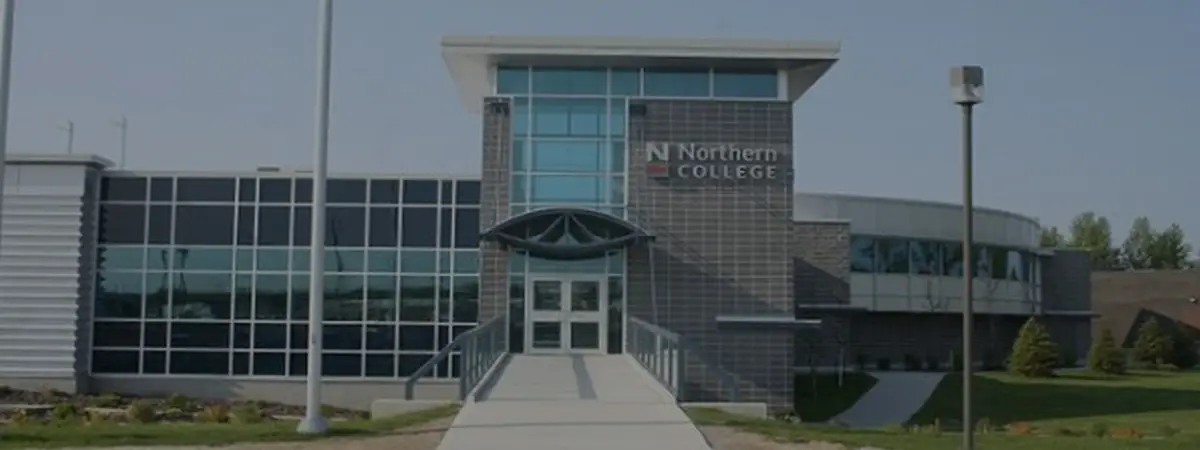

Northern Lights
College
Country :
Canada
Founded :
1975
Address :
Northern Lights College, 2300 Ryan Road, Courtenay, British Columbia, V9N 8N6, Canada
Build a successful career at Northern Lights College, a leading public college in Northern British Columbia known for strong industry links.
Northern Lights College is a prestigious public institution that has been shaping the future in Northern British Columbia since 1975. Initially, it was founded to meet the educational and workforce needs of that region. But now the legacy has come a long way. The college offers career-focused programs that combine core theoretical learning with practical, applied learning. Today, NLC provides certificates, diplomas, apprenticeships, university transfer pathways, and selected bachelor's degree programs. The major disciplines include Business, Health Sciences, Trades, Energy, Information Technology, and Applied Arts.
NLC stands out for its close collaboration with local industries, particularly in energy, transportation, and healthcare sectors. This guarantees a secure future for the students. They graduate with job-ready skills. Small class sizes, globally sourced faculty, and strong community connections build the foundation of a supportive learning environment. So, students who are planning to study in Canada should consider Northern Lights College as one of their top choices.
Foundation Year: 1975
Northern Lights College, 2300 Ryan Road, Courtenay, British Columbia, V9N 8N6, Canada
As a public community college, Northern Lights College does not hold any position in global ranking bodies such as QS or Times Higher Education. However, it is famous for delivering accessible, career-aligned education and maintaining strong partnerships with industries across Northern British Columbia.
NLC has a range of Master’s courses, but it does not offer traditional four-year bachelor’s programmes. Rather, it has 2-year Associate Degrees in Arts and Science. From business, healthcare, trades, to education and technology, an NLC degree prepares a student for the international job market. The table below indicates approximate annual tuition fees and course duration.
Associate Degree







Northern Lights College is a great choice for its affordable tuition and industry-aligned education. Students get employment opportunities in fields such as healthcare, business, energy, technology, education, and skilled trades. To give you an idea, after completing a Health Care Management diploma, a student can expect a starting salary of CAD 60,000–85,000.
Salary figures are indicative estimates based on graduate outcomes, industry surveys, and available employment data. True pay may vary with experience, location, and designation.
Northern Lights College makes higher education accessible for students from all backgrounds through a range of scholarships, awards, and bursaries. Although scholarship opportunities vary by program and intake, these can help reduce the overall cost of studying in Canada.
Northern Lights College has multiple campuses across Northern British Columbia. The main campuses are located in Dawson Creek and Fort St. John. Campus Locator is an excellent tool for navigating the university campus. The 3D imaging capability allows you to view the location, academic buildings, libraries, and labs in real time.
We at Education Vibes offer personalised counselling, evaluation, university selection, application support, visa guidance, scholarship assistance, and pre-departure services to help students begin their study abroad journey with confidence.
Yes. The college offers Associate Degrees and University Transfer programs. This allows students to continue their studies at any partner universities across Canada.
Yes. NLC allow students to work in accordance with the conditions of their Canadian study permit and current Immigration, Refugees and Citizenship Canada regulations.
Yes, on-campus accommodation is available at selected campuses, including Dawson Creek and Fort St. John. You must check availability at the time of application as it may vary by intake.
Absolutely. Eligible students can apply for entrance awards, donor-funded scholarships, and specific external scholarship programs.
Although tuition fees vary by program, most programs cost approximately CAD 11,000–15,000 per year. However, Nursing and a few other specialised programs may have higher tuition fees.
Some of the most popular programmes are Business Management, Nursing, University Transfer Studies, Health Care, Early Childhood Education, and Trades.
Yes. Northern Lights College accept international students, including Indians and offers dedicated support throughout their studies.
The college has campuses in Dawson Creek, Fort St. John, Fort Nelson, Chetwynd, and Tumbler Ridge, with access centres in Atlin and Dease Lake.
Correct. Northern Lights College is a public college funded by the Government of British Columbia. Most of its student strength comes from Northern BC.
Stay updated with the latest news and exclusive content by subscribing to our newsletter