THE
THE
1201-1500
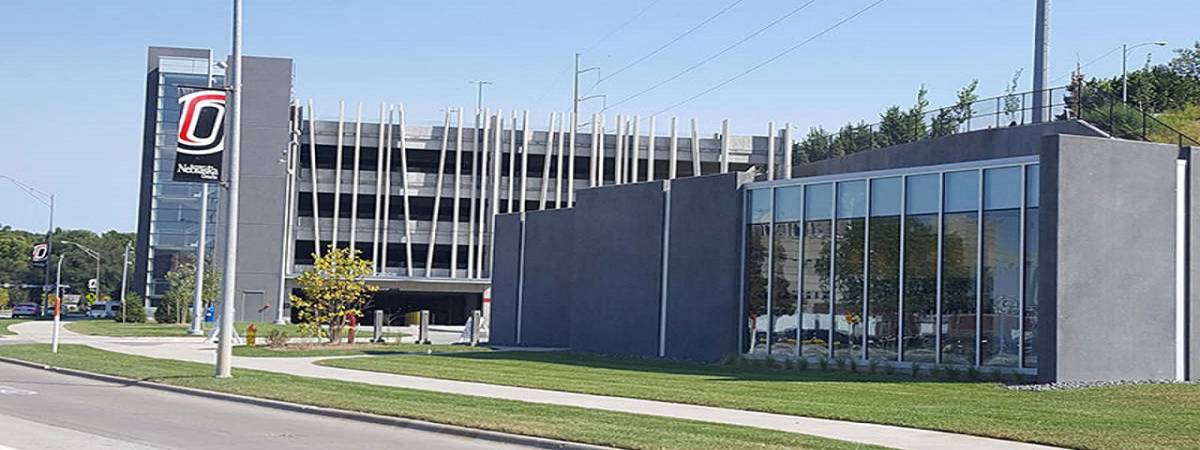

University of Nebraska
Omaha
Country :
USA
Founded :
1908
Address :
1313 S. 67th Avenue, Omaha, NE 68182
Get your degree from the University of Nebraska Omaha and make a difference with real-world experience being more mature to serve professionally.
Searching for a better university! Turn your way towards a university where your knowledge meets opportunities. Yes, University of Nebraska Omaha (UNO), Omaha, USA, where you not only learn but also prepare yourself to lead everywhere. UNO opens the boundaries of learning from classroom-based studies to real-world experience directly from Omaha city, grabbing its opportunities, industries, and communities.
1313 S. 67th Avenue, Omaha, NE 68182
Want a degree from a top-ranked study abroad university? Then, UNO is among the top 15% in the USA for public administration graduate programs. It is the 164th top public school in the USA. Many global ranking bodies have found a top-level research environment, industry-specific learning, and broader influence on community development at UNO. Check its global ranks by Times Higher Education (THE) and US News & World Report below.
You can find a variety of courses at the bachelor’s and master’s levels at the University of Nebraska Omaha. During course selection, you can also find plenty of options in online and traditional modes.







ROI is very high at the University of Nebraska Omaha. It has been recorded that the minimum average annual salary of graduates after getting a degree from UNO is $67,531. Thus, the average invested tuition fee for getting a degree from UNO can be regained within 3 years of getting the job.
Salary figures are indicative estimates based on graduate outcomes, industry surveys, and available employment data. True pay may vary with experience, location, and designation.
During the application, you can find options for University of Nebraska Omaha scholarships. Scholarships can be competitive, so make your scholarship application focused, thoughtful, and complete. Here are some UNO scholarships for international students.
Point out the exact location of the University of Nebraska Omaha using the campus map on the university website. This helps to track the area and surroundings at UNO.
After graduating from the University of Nebraska Omaha, students can get job opportunities in fields like Criminal Justice, Information Technology, Public Health, Engineering, and so on.
The total number of students at the University of Nebraska Omaha is 14,972. It has a 33.8% international student population.
At the bachelor’s level. Students can get top courses like BS in Criminology and Criminal Justice - Victimology and Victim Services, Bachelor of Science in Management Information Systems, and Bachelor of Science in Public Health.
The acceptance rate of UNO is approximately 87%, making it a generally accessible and highly competitive institution for international students.
At the University of Nebraska Omaha, you can get various scholarships like the UNO International Academic Excellence Scholarship, College of Business Administration Scholarships, College of Communication, Fine Arts and Media Scholarships, College of Information Science & Technology Scholarships, and so on.
Students need academic transcripts, proof of English proficiency, and an essay to get admission at UNO.
International students can apply to UNO directly through the admission portal or Common App for the undergraduate level. Master’s-level programs can be applied for directly through UNO’s website.
Tuition fees at University of Nebraska Omaha for bachelor’s and master’s programs are approximately USD 24,514 and USD 18,474 per year.
As per US News and World Report ranking, University of Nebraska Omaha ranked 164 in the USA. It is ranked 1201-1500 globally by Times Higher Education.
Yes, the University of Nebraska Omaha is a good choice for international students, being a globally recognised public university in the USA. It is affordable, focused on industry-centric learning, and has a diverse 33.8% international student population.
Stay updated with the latest news and exclusive content by subscribing to our newsletter