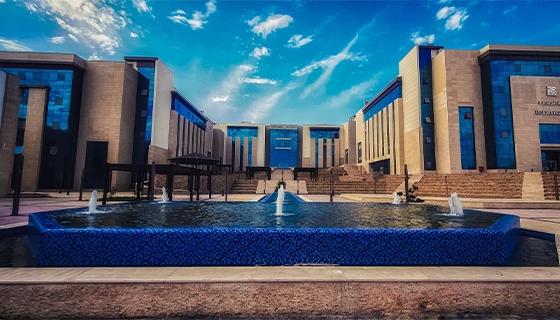

International University of Tbilisi

Founded:
2016

Country:
Georgia
Step into the Georgian private university, the International University of Tbilisi, where MBBS abroad dreams become a reality.
Step into the Georgian private university, the International University of Tbilisi, where MBBS abroad dreams become a reality.
International University
of Tbilisi

Founded
2016

Country
Georgia
Overview
Key Highlights of the International University of Tbilisi

University Type
Location
Established Year
Medium of Instruction
Why Choose the International University of Tbilisi for MBBS?

Recognition & Accreditation
International University of Tbilisi NMC Compliance
Minimum Duration
Medium of Instruction
Mandatory Subjects
Medical Degree Validity
India’s Licensing Exam
Our Commitment
International University of Tbilisi: Fees Structure and Costs Breakdown
| Item | Amount | Amount in INR |
|---|---|---|
| Tuition Fee | $5,000 | ₹4,50,000 |
| Hostel Fee + Food | $3,000 | ₹2,70,000 |
| Application+TRC+Ministry | $1,000 | ₹90,000 |
| Medical Insurance | $100 | ₹9,000 |
| Total Value | $9,100 | ₹8,19,000 |

Free Eligibility Check
Eligibility Criteria to Study MBBS at the International University of Tbilisi

Admission Process to Study MBBS at the International University of Tbilisi

Online Application Submission
Entrance Examination and Interview
Receive Admission/Offer Letter
Ministry Approval and Documentation
Apply for a Student Visa
Arrive at the University
Documents Required to Study MBBS at the International University of Tbilisi

10th & 12th Mark Sheets
NEET Score Card
Valid Passport
English Proficiency Certificate
Medical Fitness Certificate
Passport-sized Photographs
Bank Statements (or a sponsorship letter)
Ministry Documents
MBBS Intakes Offered by the International University of Tbilisi

September Intake
Main Intake (Primary)
| June - August | Application Period |
|---|---|
| July - August | Admission Letters |
| August - September | Visa Processing |
| September | Classes Begin |
February Intake
Optional Intake (Secondary)
| November - January | Application Period |
|---|---|
| December - January | Admission Letters |
| January - February | Visa Processing |
| February | Classes Begin |
International University of Tbilisi MBBS Course Breakdown
1-2
Pre-Clinical Years
- ✓Anatomy
- ✓Physiology
- ✓Biochemistry
- ✓Histology
- ✓Embryology
- ✓Genetics
3
Para-Clinical Years
- ✓Pathology
- ✓Pharmacology
- ✓Microbiology
- ✓Pathophysiology
- ✓Immunology
- ✓Public Health
4-6
Clinical Years
- ✓Internal Medicine
- ✓General Surgery
- ✓Pediatrics
- ✓Obstetrics and Gynaecology
- ✓Clinical Rotations
- ✓Internship

Curriculum Highlights
The medical curriculum offered by the International University of Tbilisi emphasises the globally recognised training standards, integrating problem-based learning methods with advanced simulation-based laboratory techniques and intensive clinical experience at clinics and affiliated regional hospitals.
Top Universities in Georgia for MBBS

Georgian National University SEU
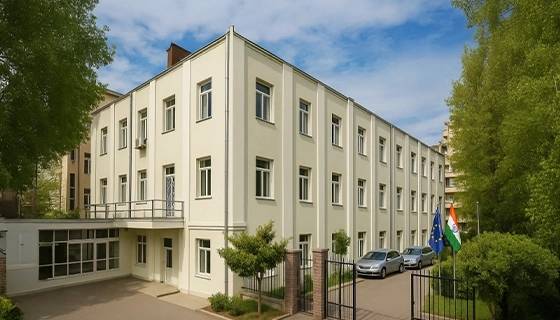
Geomedi Medical University

East West University

David Tvildiani Medical University
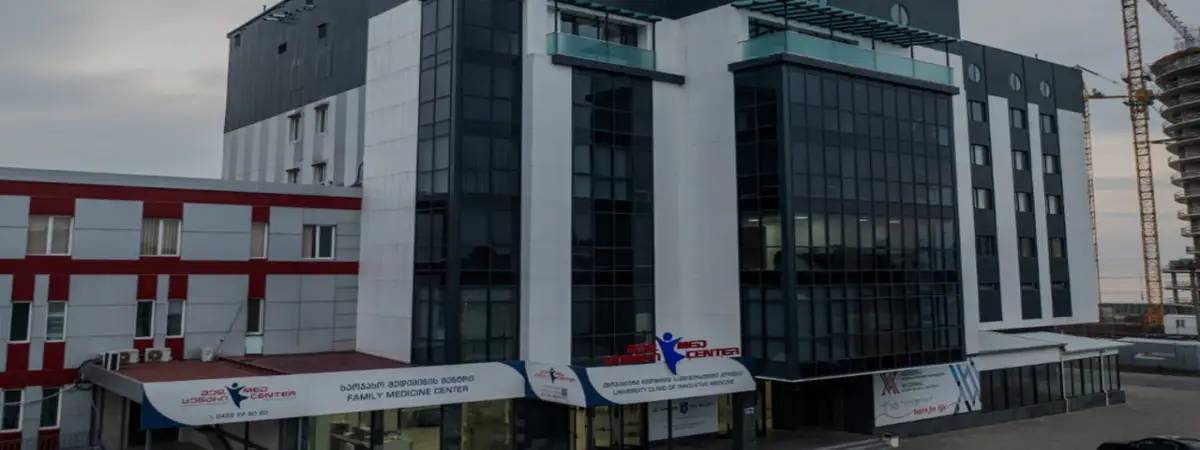
Avicenna Batumi Medical University
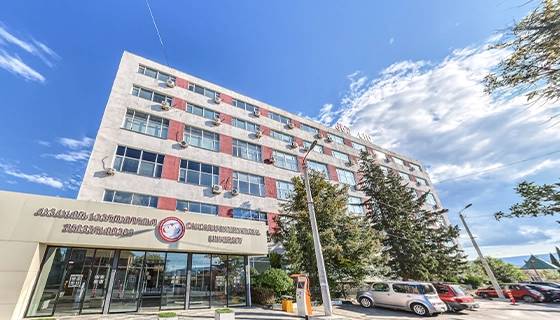
Caucasus International University
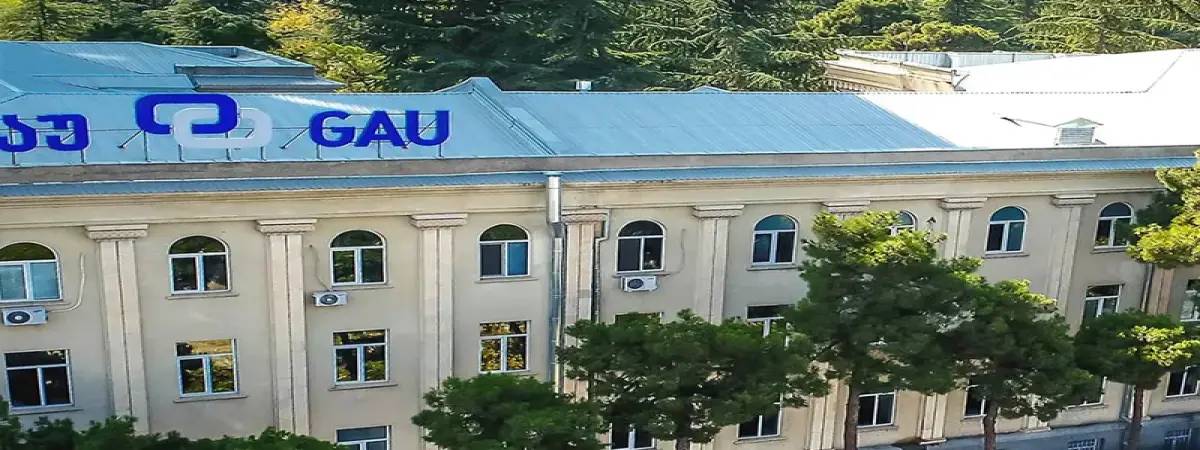
Georgian American University
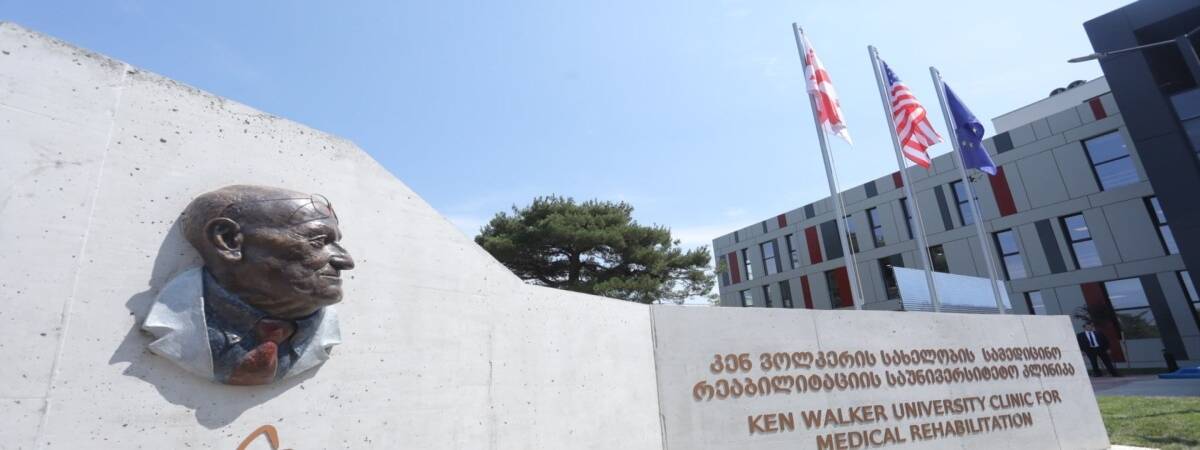
Ken Walker International University

East European University

Alte University
Quick Facts of Tbilisi
| Region | Eastern Georgia |
|---|---|
| Connectivity | Tbilisi International Airport (TBS), Tbilisi Central Railway Station, Tbilisi Metro |
| Population | 1 million (Est. in 2026) |
| Attractions | Narikala Fortress, Sameba Cathedral, Abanotubani Sulphur Baths, Bridge of Peace |
| Time Zone | Georgia Standard Time (GET), UTC+4; 1.5 hours behind IST (Indian Standard Time) |
Hostel & Accommodation Facilities at the International University of Tbilisi

Student Life at
International University of Tbilisi
Student life at the International University of Tbilisi offers a dynamic and culturally diverse opportunity to engage in a comprehensive academic experience for overall development.
Accommodation & Campus Life
Academic & Study Resources
Sports, Culture & Recreation
Social Life & Community
Challenges & Realities
Student Testimonials
Aarav Kulkarni
International University of TbilisiKhushi Sharma
International University of TbilisiMohammed Faiz
International University of TbilisiRitika Dey
International University of TbilisiHarshvardhan Patil
International University of TbilisiTbilisi’s Weather & Climate
Featuring a hot and dry summer with mildly cool winters and occasional rainfall throughout the year, Tbilisi has a humid subtropical climate. The spring season receives the highest rainfall in the year.
Summer
June - September
Hot and humid summers, with average temperatures around 32°C. July and August are the driest months. Enjoy vibrant festival celebrations and outdoor activities, exploring the city’s cafes, especially during the long and warm summer months.
Winter
December - February
Cold and generally dry winters in Tbilisi record an average temperature of 3°C and occasional snowfall. Enjoy festivals and relax in the cosy sulphur baths of the city. Remember to keep your thermal clothing and footwear handy.
Career Opportunities After Studying at the International University of Tbilisi
In India
Clear the FMGE/NExT and obtain registration.
- Medical Officer in the govt or private sector
- Junior Resident in healthcare centres
- Postgraduation for MD/MS/DNB
- Establish a clinic for private practice
In Georgia
Stay and meet local licensing requirements.
- Work in hospitals, clinics, and healthcare centres
- Pursue residency and speciality programmes
- Join medical research or Georgian universities
- Contribute to community service or public health
Global Pathways
Qualify for the international licensing requirements.
- Qualify for the USMLE to work in the USA
- Clear the PLAB exam to work in the UK
- Appear for the AMC to work in Australia
- DHA/MOH pathways for the Middle East
Other Roles
Explore several non-traditional clinical roles.
- Clinical Research Associate
- Healthcare Content Specialist
- Public Health Programme Coordinator
- Healthcare Management (administrative work)