QS
QS
801-850

Carleton
University
Country :
Canada
Founded :
1942
Address :
1125 Colonel By Dr, Ottawa, ON K1S 5B6, Canada
Work towards a world-accredited degree from Carleton University – one of Canada’s highest-rated universities. Build advanced expertise and skills toward the career of tomorrow.
Carleton University is an Ottawa public research institution whose campus resides on the traditional, unceded territory of the Algonquin Anishinàbeg nation. The welcoming community of 30,600+ students studies in over 200+ undergraduate programs in 26 degree denominations, with more than 100 degree programs, continuing education and professional studies, and career courses.
Carleton stresses the importance of hands-on experiential learning, co-op career possibilities, and forward-thinking research, which generates $155.4 million in research funding per year. Carleton University helps enhance the success of its students by contributing over $87 million in scholarships and bursaries annually, with nearly 170 student clubs and societies to choose from, as well as a 12-sport varsity program represented by the Carleton Ravens. Committed to sustainability, accessibility, equity and Indigenous initiatives, Carleton University prepares its students to make a difference in a world that’s always evolving.
1125 Colonel By Dr, Ottawa, ON K1S 5B6, Canada
Cape Breton University routinely appears as one of the top universities for undergraduate institutions, often being ranked among the top 20 primary undergraduate universities nationally. Nationally, the university is often placed anywhere from 60th to 67th in broader national higher education rankings.
Cape Breton University is known for outstanding programs-such as BBA, MBA in Community Economic Development, Bachelor of Health Sciences, Engineering Technology, Nursing, and Hospitality & Tourism Management - that are built around hands-on learning and the attainment of relevant skills and experiences necessary for you. Below are the UG & PG courses listed:







Carleton University provides solid ROI. 88.4% are employed within 6 months, and 93.4% are employed within two years. Graduates with 2-3 years of work experience make somewhere in the neighbourhood of CAD 55,000-75,000 a year. Most students should expect to recoup their expenses within 3-5 years, given its placement services, co-op, the job prospects on offer by a multitude of government departments, large engineering firms and tech companies and strong alumni. The table shows some job titles and expected annual salaries for students.
Salary figures are indicative estimates based on graduate outcomes, industry surveys, and available employment data. True pay may vary with experience, location, and designation.
Carleton University provides numerous competitively based entrance Scholarships and many other merit- and need-based Bursaries each year, which help eligible international students pay for undergraduate and graduate degrees.
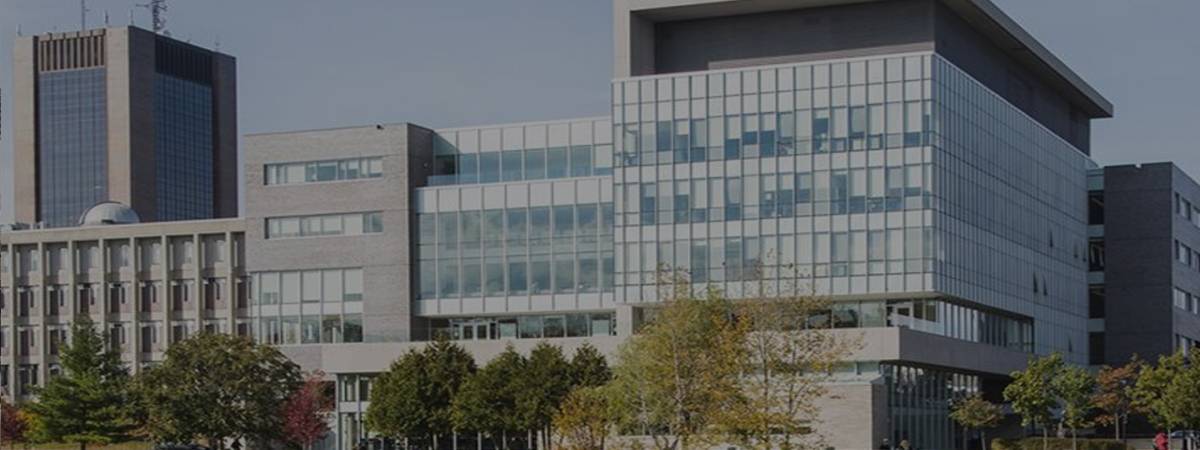
Carleton’s 150-acre campus sits just west of Old Ottawa South, in proximity to both The Glebe and Confederation Heights, directly north of the Rideau River and bordering the Rideau Canal and Dow’s Lake to the north. For precise location search, use the campus map on the Carleton University website and indicate the location.
Scholarships for Indian students at Carleton University are the Entrance Scholarships, President’s Welcome Award for International Students, and Prestige Scholarships.
Carleton University has approximately 2,900 to 3,000 international students originating from over 150 countries.
Yes, Carleton University provides a guaranteed 12-month on-campus residence option for international students for up to five consecutive years of their degree.
Carleton University offers courses with 36 months and 48 months for a Bachelor’s degree and 24 months for a Master’s degree.
Carleton University offers undergraduate and postgraduate taught programs to national and international students. Both national and international students are engaged to learn from 200+ total courses.
At Carleton University in Ottawa, Canada, the student-to-faculty (or student-to-staff) ratio is approximately 27:1 (or about 27 students per academic staff member).
After graduating from Carleton University, students get jobs like Business Analyst, Public Health Officer, Tourism Operations Executive, Research Assistant and so on.
After completion of the degree from Carleton University, graduates can expect an average salary of CAD 50,000 to CAD 75,000 per year.
Carleton University (located in Ottawa, Canada) has an estimated acceptance rate of roughly 78% depending on the specific program, tracking source, and applicant pool criteria.
The admission process at Carleton University involves choosing a program and checking requirements, submitting an online application via the Ontario Universities’ Application Centre (OUAC), and uploading required academic documents.
Stay updated with the latest news and exclusive content by subscribing to our newsletter